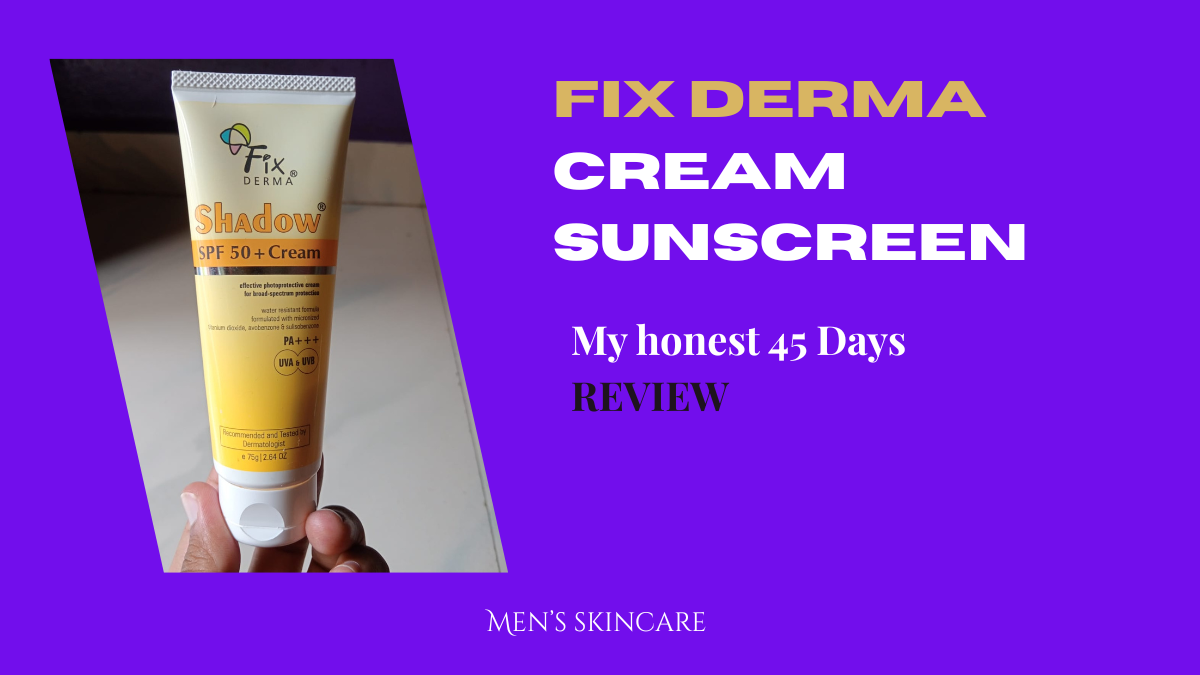
Reviewed by Sahil Sheikh
45-day personal test | Oily skin
I went into this expecting a straightforward win. I’d already had a good experience with Fixderma as a brand through their Skarfix Plus serum, and I figured a cream-format sunscreen from the same company would slot in just as easily. What actually happened over these 45 days was more complicated than that, and I think the most useful thing I can do here is be upfront about it right from the start: this sunscreen made my skin noticeably oilier than I expected, and that’s a real finding I want to walk you through rather than bury at the end of a glowing review.
I want to be clear about why I’m leading with this rather than saving it for the pros-and-cons section further down. A lot of product reviews online read like they’re structured to keep you scrolling toward a positive conclusion regardless of what actually happened. My goal here is the opposite if a product genuinely didn’t work for my skin type, that’s the headline finding, not a footnote, and it’s exactly the kind of information I would have wanted to read before spending money on this myself.
This is my full 45-day account of using Fixderma Shadow SPF 50+ Cream, applied daily as part of my existing skincare routine, alongside the Plum green tea cleanser, Plum niacinamide moisturizer, and Skarfix Plus serum I’ve already reviewed individually. I’ll cover:
- What made me pick up the cream version specifically
- A full breakdown of what’s actually in the formula
- How I incorporated it into my day-to-day routine
- What I noticed at day 7, day 15, day 30, and day 45 including the oiliness issue in detail
- An honest pros-and-cons list
- Whether I’d actually recommend it to another guy with oily skin
Disclaimer: This review reflects one person’s individual experience and skin response results, including oiliness or breakout tendencies, vary significantly from person to person based on skin type, climate, and existing routine. This is not a substitute for professional dermatological advice. Always patch test any new skincare or sunscreen product before regular use, and consult a dermatologist if you have specific skin concerns or experience persistent irritation. This is not sponsored content, and all product claims referenced from the brand are noted as such rather than presented as independently verified.
Why I Picked Up the Cream Version
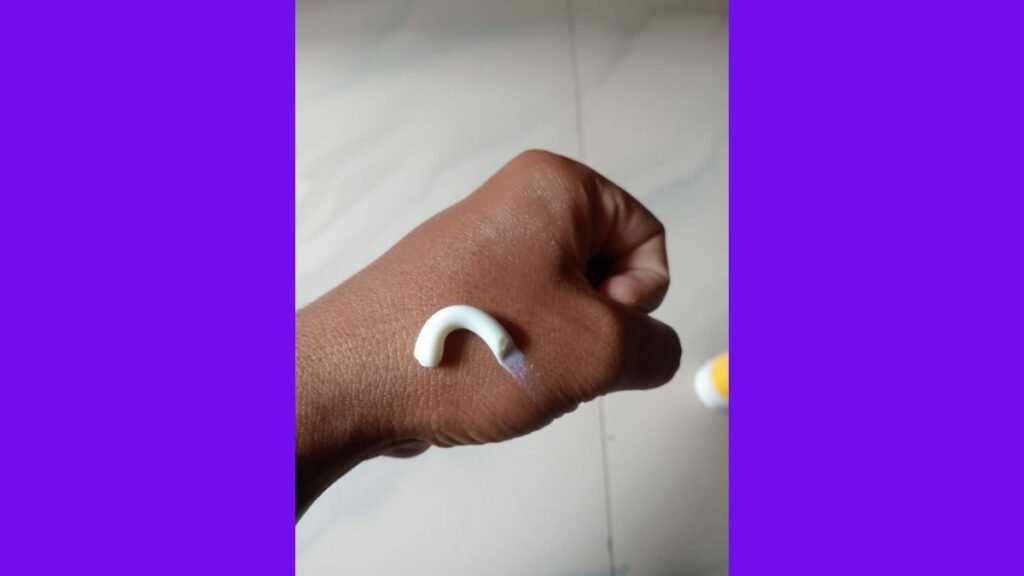
- Oily skin, with visible shine building up through the day
- A history of acne marks I’ve been actively treating
- An established routine including a glycolic-acid cleanser, an alcohol-free toner, a niacinamide moisturizer, and a pigmentation serum
- A general preference for lightweight, non-greasy products given how oily my skin already runs
Given that preference, picking a cream-format sunscreen over a gel might already seem like an odd choice, so let me explain the actual reasoning:
- I wanted to compare it directly against a gel sunscreen from the same brand. Having already used Fixderma’s Shadow SPF 50+ Gel, I was curious whether the cream version often marketed as offering richer, more nourishing coverage would perform differently on genuinely oily skin, or whether the “cream” label was mostly a texture preference rather than a meaningful functional difference.
- Some reviews suggested the cream version offered slightly better long-wear and water resistance, which appealed to me for days with more physical activity or sweating.
- The ingredient list includes titanium dioxide and aluminium hydroxide, giving it a genuine physical-blocker component alongside chemical filters, which I’d read can sometimes translate into a more matte, less shiny finish than a purely chemical formula though as you’ll see, that wasn’t quite how it played out for me.
- Same trusted brand, same dermatology-oriented positioning I’d already come to appreciate through the Skarfix serum.
- Nicotinamide (niacinamide) is actually included in this formula, which stood out to me as a nice bonus given how much I already valued that ingredient from my moisturizer.
Basically, I wanted to see whether a cream-format sunscreen from a brand I already trusted could hold up on oily skin the way the gel version had, or whether the heavier format would create exactly the kind of problem oily-skin guys are usually trying to avoid in the first place.
What I took away from this formula specifically
Compared to the gel version, the biggest structural differences are the inclusion of stearic acid, the steareth emulsifiers, and cetearyl alcohol all ingredients that contribute to a noticeably richer, heavier texture. Titanium dioxide and aluminium hydroxide add a genuine physical-blocker component, and niacinamide is a welcome, thoughtful addition on paper.
But looking at this ingredient list with the benefit of hindsight from actually using it, the combination of stearic acid, multiple emollients, and a physical blocker adds up to a formula that’s simply richer and more occlusive than what oily skin typically wants from a daily sunscreen which is exactly what played out in practice.
Cream vs. gel: why the format matters more than the brand
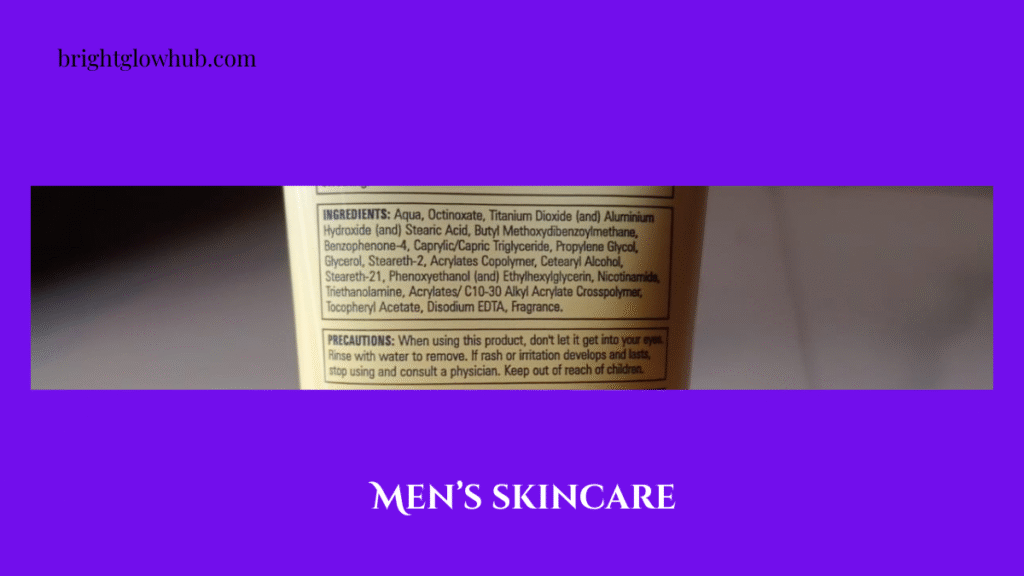
Since I’d already spent time with Fixderma’s own gel-format sunscreen before starting this trial, it’s worth spelling out exactly why two products from the same company, sharing several overlapping ingredients, ended up performing so differently on my skin.
- The base emulsion system is fundamentally different. A gel relies on water-soluble gelling polymers (like the acrylates crosspolymers) to create its texture, with minimal added oils or waxes. A cream, by contrast, is built around an oil-in-water or water-in-oil emulsion that requires genuine emollients and emulsifiers stearic acid, the steareth ingredients, cetearyl alcohol to hold together and feel “creamy” rather than watery.
- Those very emollients are the ones oily skin tends to react to. Stearic acid in particular has a mixed reputation depending on the source and formulation some studies and dermatology sources flag it as having moderate comedogenic potential, especially in higher concentrations or when combined with other pore-clogging ingredients, which may explain the pattern I experienced.
- Marketing language doesn’t always signal the functional difference. Both products come from the same “Shadow” sunscreen line, use similar SPF ratings, and share several ingredients like octinoxate, avobenzone, phenoxyethanol, and ethylhexylglycerin. Without reading the full ingredient list and understanding the emulsion system behind each format, it would be easy to assume they’d perform identically on the same skin type which clearly wasn’t the case here.
- This is a useful lesson beyond just this one product. If you have oily or acne-prone skin, checking whether a sunscreen (or any product) is formulated as a gel, lotion, or cream is often just as informative as checking the SPF number or brand reputation the format itself carries real implications for how it will feel and perform on your specific skin type.
How I Used fix derma shadow spf 50 sunscreen
I layered this into the same routine I’d already established:
Morning:
- Cleanse with the Plum Green Tea Pore Cleansing Face Wash.
- Apply the alcohol-free toner and let it air dry.
- Apply the Skarfix Plus serum to areas with visible marks.
- Follow with the Plum niacinamide moisturizer.
- Finish with the Fixderma Shadow SPF 50+ Cream, applied to face and neck.
A few specifics about how I applied it over these 45 days:
- I applied it about 20 minutes before heading outside, consistent with how I’d used the gel version previously, regardless of how short the outdoor trip was going to be.
- I used a similar amount to what I’d used with the gel, roughly a generous fingertip’s worth for the face and neck, trying to keep my application consistent across both trials so I could fairly compare the two formats.
- I noticed the difference in texture immediately. Compared to the gel, this cream sat more heavily on my skin from the very first application, taking noticeably longer to absorb and leaving behind a slightly tacky, filmy feel rather than sinking in cleanly. This wasn’t subtle it was obvious within the first few uses, well before I had any data on longer-term oiliness patterns.
- I tried adjusting the order and amount to compensate. After the first week, I experimented with using slightly less product and giving it more time to absorb before heading out, hoping this would resolve the heaviness. It helped marginally, but didn’t fully solve the underlying issue.
- I kept my moisturizer step unchanged throughout, specifically so I could isolate whether the oiliness was coming from the sunscreen itself rather than from a change elsewhere in my routine.
What Changed at Day 7, Day 15, Day 30, and Day 45
Day 1
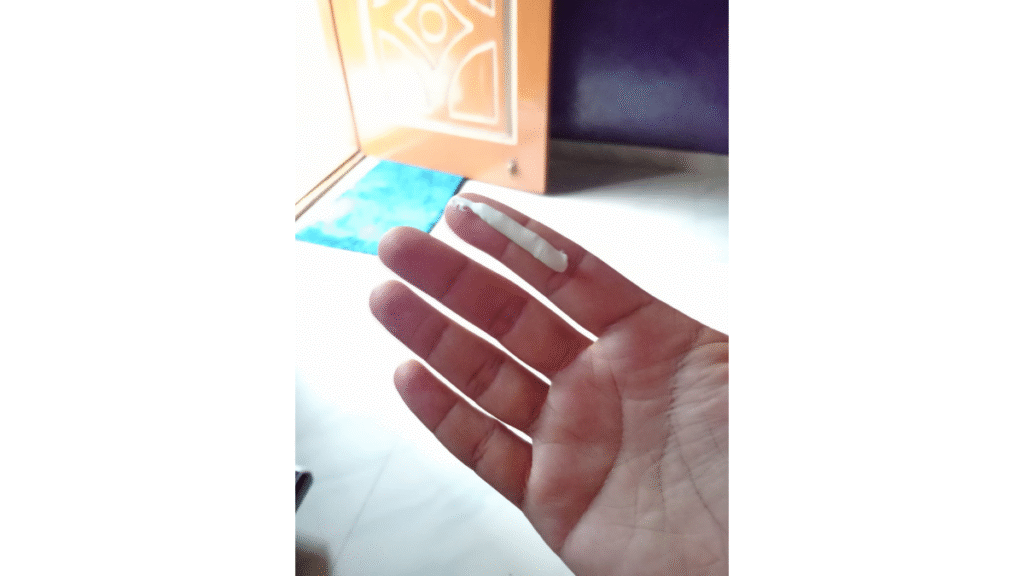
- It has the creamy texture and has some fragrance which i can smell easily
- I only apply how much my face want like on the internet people say use 2 fingers But it doesn’t suit me If I follow this rule my skin become so much oily and I sweat a lot all the sunscreen will wash away from my skin with sweat
- This sunscreen does not leave any white cast on my face it will absorb easily
- It is suitable for my skin means I feel comfortable with this it does not irritate my skin
Day 7
- After using one week the one thing I noticed is heavier, tackier application feel compared to the gel sunscreen I’d previously used.
- Slightly increased midday oil breakthrough, especially oil in the T zone though I initially chalked this up to warmer weather that week rather than the product itself.
- No breakouts yet, but a subtle sense that my pores felt less “clear” than usual.
- Broad-spectrum protection felt solid no sunburn or visible sun sensitivity on days I wore it consistently.
Day 15
- The oiliness pattern had become consistent enough that I ruled out weather as the explanation this was showing up regardless of temperature or humidity that day.
- Slight congestion around my nose and chin, not full breakouts, but a texture change I hadn’t experienced with the gel version.
- Sunscreen coverage itself still felt effective no sunburn, no obvious lapses in protection.
- I started reducing the amount I applied and giving it more absorption time, with only marginal improvement to the greasy feel.
Day 30
- The oiliness and mild congestion pattern had fully established itself as a consistent daily experience rather than an early adjustment phase.
- My skin tone and pigmentation progress (tracked via my ongoing Skarfix serum use) continued improving, which was reassuring the sunscreen was doing its actual job of protection, even if the texture experience was working against me.
- I began genuinely questioning whether to continue with this specific cream for the remainder of the 45-day trial, but decided to see it through for a fair, complete assessment.
- No sunburn or lapses in sun protection at any point.
Day 45
- Looking back across the full trial, the oiliness issue never resolved it remained a consistent daily reality for as long as I used this product.
- Mild congestion around my nose and chin persisted at a low level throughout, never escalating into full breakouts, but also never fully clearing up the way it had with my previous sunscreen.
- Sun protection itself was genuinely solid throughout no sunburn, no visible lapses, and broad-spectrum coverage held up as expected.
- My conclusion by the end: this is a sunscreen that does its core job of sun protection well, but the texture and richness of the formula is a poor match specifically for oily, acne-prone skin like mine.
Bottom line on results: this cream sunscreen protected my skin effectively from a pure sun-protection standpoint across all 45 days no sunburn, no gaps in coverage, and my ongoing pigmentation treatment continued progressing well. But the trade-off was a consistent, unresolved increase in daily oiliness and mild pore congestion that never went away, which is a real practical downside for anyone with oily or acne-prone skin considering this specific cream format.
My face before and after applying sunscreen
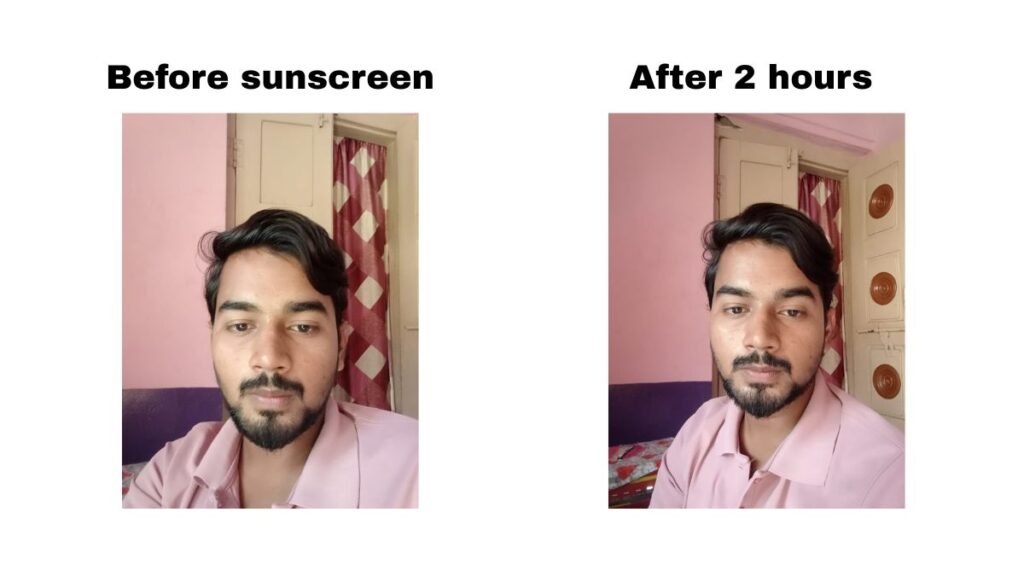
I noticed the biggest difference several hours after application. My T-zone became visibly shinier compared with how my skin normally looked with the gel sunscreen.
Who am I

About the Author
I’m Sahil Sheikh, a men’s skincare content writer and the founder of BrightGlowHub. My interest in skincare comes from my own experience researching, purchasing, and personally testing skincare products and routines, particularly for oily skin, acne marks, hyperpigmentation, and sun protection.
I share what I learn from my own skincare journey, product testing, ingredient research, and experiences helping family members with their skincare routines. I also contribute to skincare discussions on platforms such as Quora and Reddit.
This review is based on my personal 45-day experience with Fixderma Shadow SPF 50+ Cream. My experience may differ from other people’s results and shouldn’t be considered medical advice.
My goal is to make skincare easier to understand by sharing practical, experience-based information while separating personal experience from evidence-based skincare advice.
What I Liked, and What I’d Flag
Pros:
- Genuinely effective, broad-spectrum sun protection no sunburn or lapses across the full 45 days.
- Combination of chemical filters (octinoxate, avobenzone) and a physical blocker (titanium dioxide) offers comprehensive coverage.
- Niacinamide inclusion is a thoughtful, genuinely beneficial ingredient choice on paper.
- Richer texture may genuinely suit normal, combination, or dry skin types better than a lightweight gel would.
- Supported my ongoing pigmentation treatment well from a pure protection standpoint, with visible progress continuing throughout the trial.
- Reliable, trusted brand with transparent, well-documented ingredients.
Cons:
- Noticeably increases oiliness throughout the day on genuinely oily skin this was the single biggest issue across the entire 45-day trial and never resolved, regardless of how I adjusted the amount applied or the absorption time before heading out.
- Mild pore congestion around the nose and chin developed and persisted at a low level for the full trial period.
- Heavier, tackier application feel compared to the brand’s own gel-format sunscreen.
- Contains fragrance, a potential irritant for sensitive skin, on top of the richer emollient system.
- Stearic acid and multiple emulsifying/thickening ingredients carry some comedogenic potential, which likely explains the oiliness and congestion I experienced firsthand.
- Doesn’t feel well suited as a daily sunscreen specifically for oily or acne-prone skin, despite Fixderma’s broader reputation as a dermatology-oriented, acne-friendly brand.
How I Test Skincare Products
I test products on my own skin and document my experience over time rather than judging them after a single application. I pay attention to texture, absorption, finish, oiliness, irritation, comfort, and how the product fits into my existing routine. When I discuss ingredients or product claims, I distinguish information provided by the brand from my own observations.
What the brand says vs what I experienced
What Fixderma says
- SPF 50+
- PA+++
- Broad-spectrum protection
- Water-resistant
- Suitable for various skin types
What I experienced
- Creamy/richer texture
- Increased facial shine
- Mild congestion around nose/chin
- No obvious white cast
- etc.
“Who should buy it?”
Who I think should consider it
Potentially suitable for:
- Normal skin
- Dry skin
- People who prefer a cream texture
- People who don’t mind a richer finish
I would be more cautious if you have:
- Very oily skin
- Easily congested skin
- Strong preference for a matte finish
And importantly:
My experience is not proof that this sunscreen will make everyone with oily skin oily. It is simply how my skin responded during my 45-day trial.
What I would change
What I wish were different
- I wish the finish were less shiny.
- I would prefer a lighter texture for oily skin.
- I would prefer less noticeable fragrance.
- I would prefer a sunscreen that feels comfortable after several hours.
So, Was This Cream Worth 45 Days?
If you have oily or acne-prone skin, my honest, direct conclusion after 45 days is that this specific cream sunscreen isn’t the right match, despite genuinely effective sun protection and a thoughtful inclusion of niacinamide. The richer emollient system stearic acid, the steareth ingredients, cetearyl alcohol simply added more oil and occlusion to my skin than it could comfortably handle, resulting in consistent midday shine and mild ongoing congestion that never resolved across the full trial.
This isn’t a case of the product being poorly made the sun protection itself was solid throughout, with no sunburn or coverage lapses, and my ongoing pigmentation treatment continued progressing well. It’s more that the format genuinely matters, and a cream built with a richer, more traditional moisturizing base is a better match for normal, combination, or dry skin than it is for oily, acne-prone skin like mine.
Having already used and reviewed Fixderma’s own gel-format sunscreen, my honest recommendation for anyone with oily skin is to stick with that lighter formula rather than this cream, even though both come from the same trusted brand. Sometimes the same company’s different product formats genuinely aren’t interchangeable, and this was a clear example of that for me.
If there’s one broader takeaway from this whole 45-day trial, it’s this: brand trust is useful, but it isn’t a substitute for checking the actual formulation of the specific product you’re buying, especially within a single brand’s product line. I went in assuming that trusting Fixderma as a company would carry over cleanly from one product to another, and while their sun-protection performance was consistent between the gel and the cream, the actual day-to-day wearability on my specific skin type was not. That’s a distinction worth remembering the next time you’re choosing between a gel, lotion, or cream version of the same sunscreen line.
Frequently asked questions
Isn’t Fixderma’s sunscreen supposed to be non-comedogenic and oil-free?
Yes, that’s actually the brand’s own stated position their gel-format sunscreen is specifically marketed as oil-free, non-comedogenic, and lightweight, perfect for oily, acne-prone skin, with no greasiness and no white cast. That’s exactly why my experience with the cream version surprised me the brand’s own gel line delivers on that promise, but the cream I tried didn’t feel like the same standard applied.
Does Fixderma itself acknowledge that cream sunscreens can be a problem for oily skin?
Somewhat, yes, and this genuinely validated what I experienced. The brand’s own marketing states plainly that cream-based sunscreens can often feel heavy and may clog pores something they describe as a nightmare for oily or acne-prone skin while positioning their gel formula as the solution to exactly that problem. Reading that after my own 45 days felt like confirmation rather than surprise.
Is there a version of this cream actually marketed for oily skin, or is it meant for other skin types?
Based on what I found, Fixderma’s cream-format sunscreens in this line tend to be positioned toward different skin needs. One of their cream based sunscreens is specifically described as suitable for oily, combination, and normal skin types due to its non-greasy texture, while another cream in their lineup is explicitly marketed as the pick for dry skin, offering deep moisturization alongside sun protection. This suggests the specific cream I tried may simply not have been the right sub-product within Fixderma’s broader lineup for someone with genuinely oily skin worth checking the exact product description before buying
Should I use sunscreen even when I’m staying indoors most of the day?
How often should I be reapplying, regardless of which format I choose?
Brand Information
According to Fixderma, Shadow SPF 50+ Cream is marketed as a broad-spectrum sunscreen with SPF 50+ and PA+++ protection. The brand provides information about the product’s ingredients, claims, usage instructions, and intended skin types on its official product page.
Product information: Details such as the product’s SPF rating, ingredients, directions, and claims are based on information provided by Fixderma on its official product page.
Source: Fixderma – official product page
If you’re reading this because you’re deciding between the gel and cream versions of this same product line, my honest suggestion is simple: if you already know your skin runs oily, save yourself the 45 days and start with the gel. If your skin leans normal, combination, or dry, this cream is likely a genuinely solid option worth considering on its own merits, separate from how it performed for me.