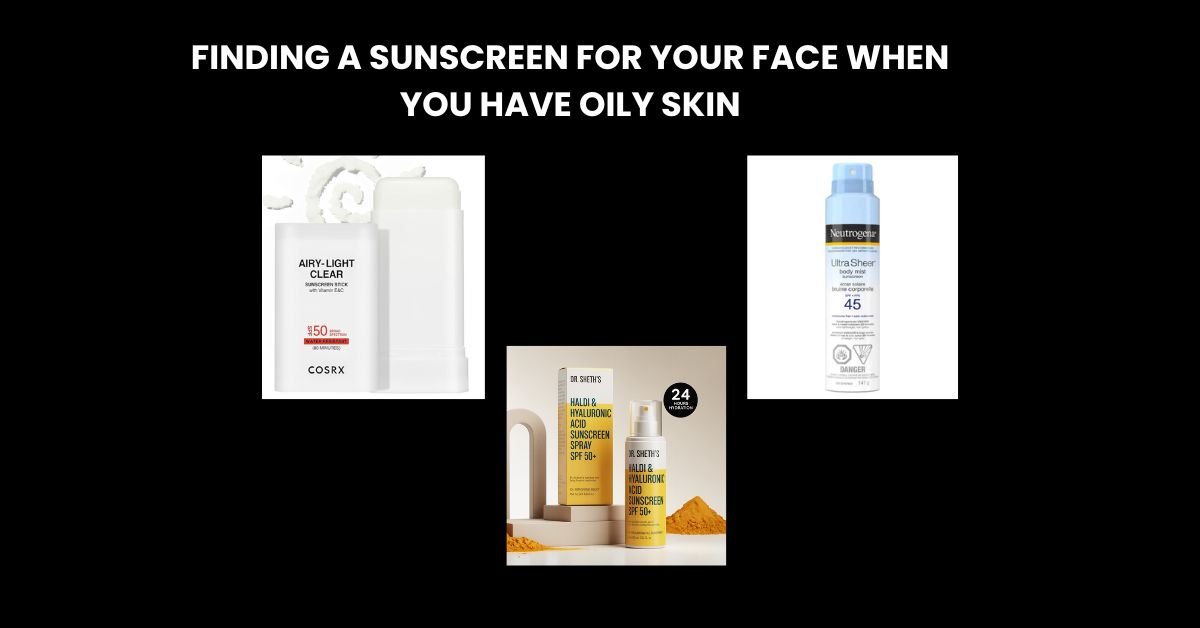
Table of Contents
Written for guys who hate greasy sunscreen but want actual protection
I’ll be straight with you I avoided sunscreen for years. Not because I didn’t know it mattered, but because every sunscreen I tried made my face look like an oil slick by noon. Heavy, shiny, pore-clogging. No thanks.
Then I actually started reading labels and testing the right formulas. Turns out, the problem wasn’t sunscreen itself. I was just using the wrong kind. If you have oily skin like me, here’s everything you need to know to find a sunscreen for face that doesn’t make you look like you rubbed cooking oil on your forehead.
Why you actually need sunscreen (even if you’re a guy)
I know, I know sunscreen feels like a “skincare person” thing. But hear me out. UV rays don’t care about your gender or whether you have a 12-step routine. Every day you skip sunscreen on your face, you’re accelerating skin aging, increasing the risk of dark spots, and adding to your long-term skin cancer risk.
Dermatologists consistently say sunscreen is the single most impactful thing you can do for your skin’s long-term health. One product. Daily. That’s it. The payoff is real.
SPF 30 is the minimum worth using. It blocks roughly 97% of UVB rays. SPF 50 gets you to about 98%. The difference is small, but for daily face use, SPF 30–50 is the sweet spot. Always look for “broad-spectrum” that means protection from both UVA and UVB rays.
The oily skin problem with most sunscreens
Standard sunscreens are designed for general use and many are formulated to be moisturizing. Which is great if you have dry skin. For oily skin, those same formulas sit on top of existing sebum and amplify the shine. Combine that with a humid day and you’ve got a mess by mid-morning.
The good news: there’s an entire category of sunscreen specifically designed for oily skin. Once you know what to look for, it’s easy to filter out the wrong products fast.
What to look for on the label
- Oil-free formula the most important filter. If it doesn’t say oil-free, move on.
- Non-comedogenic means it won’t clog pores or trigger breakouts.
- Matte or mattifying finish controls shine throughout the day.
- Gel or water-based texture absorbs fast, doesn’t leave residue.
- Broad-spectrum SPF 30+ covers both UVA and UVB rays.
Ingredients to avoid if you have oily or acne-prone skin: heavy silicones, coconut oil, isopropyl myristate, and added fragrances. These either clog pores or cause irritation.
Mineral vs chemical sunscreen which one for oily skin?
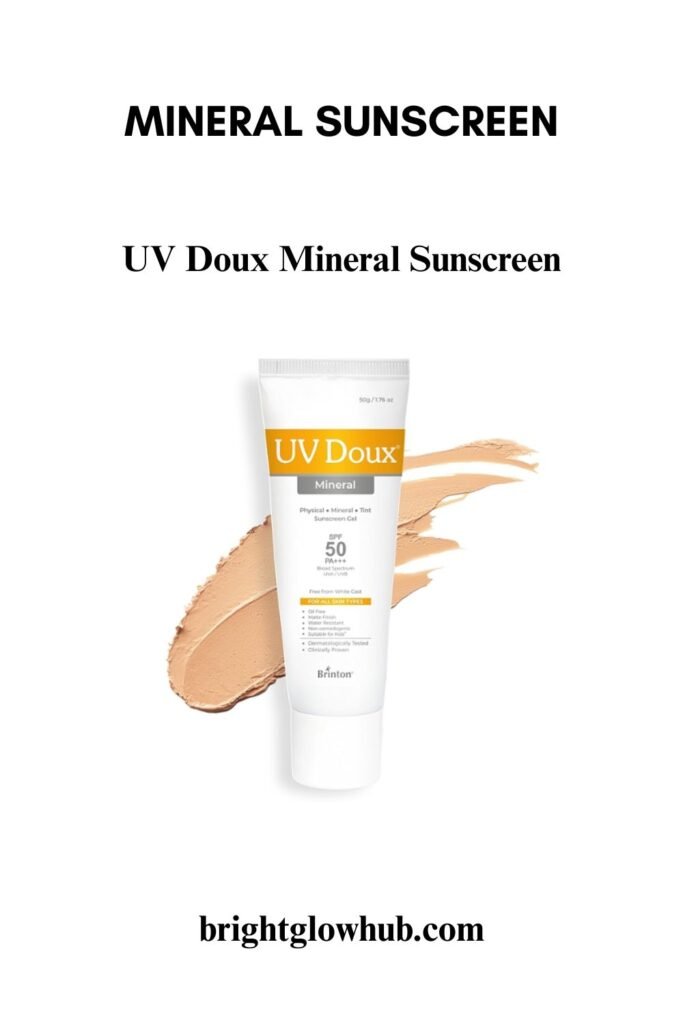
Mineral sunscreen
Uses zinc oxide or titanium dioxide. Sits on the skin’s surface and reflects UV rays. Works immediately. Can leave a white cast less ideal for darker skin tones.
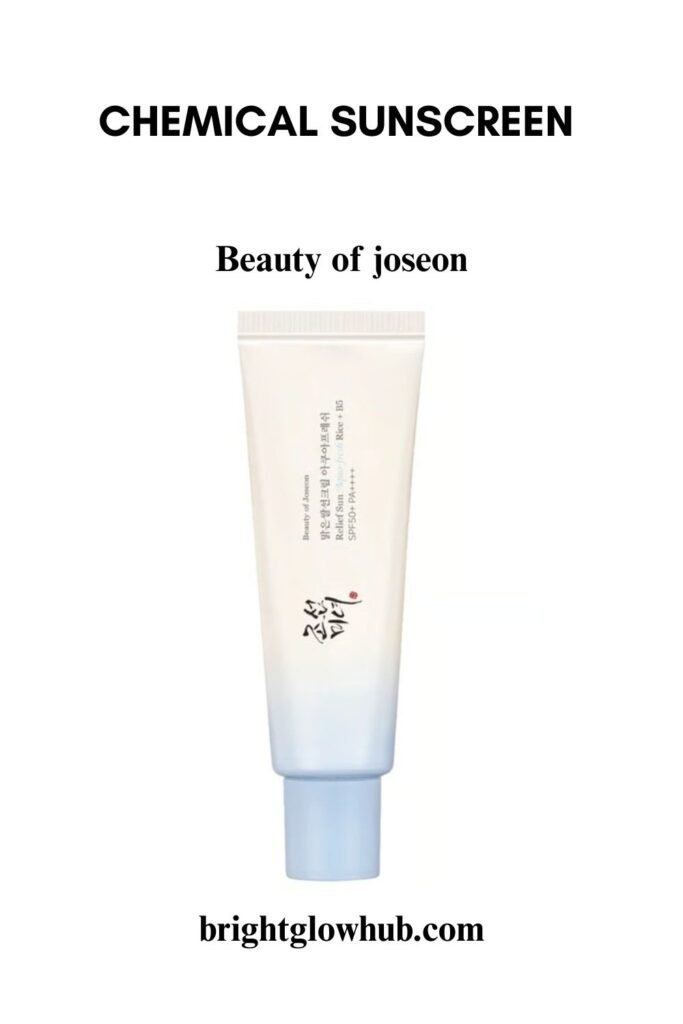
Chemical sunscreen
Absorbs into skin and converts UV rays to heat. Lighter, more invisible finish. Better for darker skin tones. Needs 15–20 min before sun exposure to activate.
For oily skin specifically, I lean toward chemical or hybrid formulas. They tend to have lighter, more matte textures. That said, if your skin is also sensitive or acne-prone, a mineral formula with zinc oxide is worth trying zinc has mild anti-inflammatory properties that can help with breakouts.
How to apply sunscreen on your face the right way
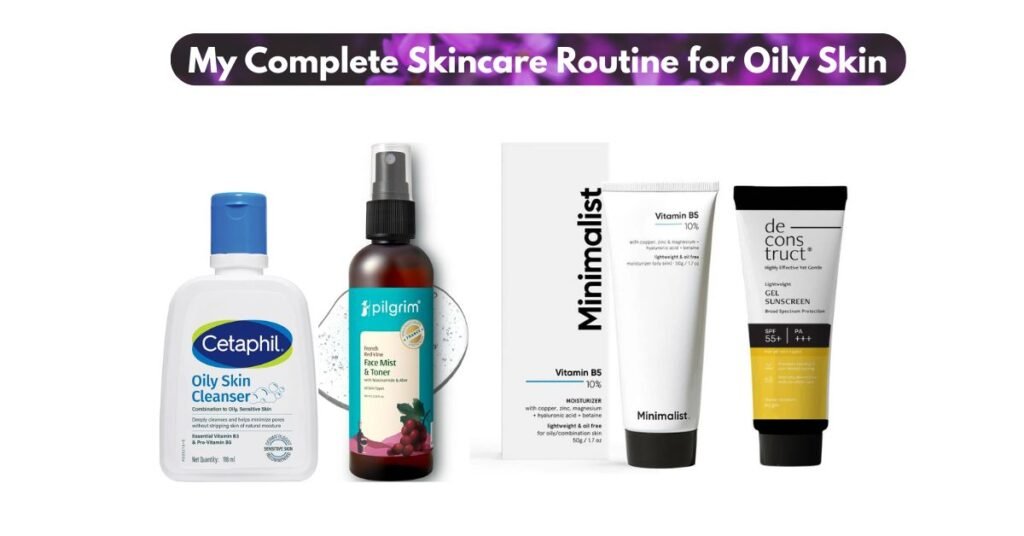
Most guys use way too little product. Using a thin smear isn’t giving you the SPF on the label you’re getting a fraction of it. Here’s the correct approach:
- Wash your face first : clean skin = better absorption and no pore buildup
- Use about a nickel-sized amount : roughly ¼ teaspoon for face only
- Dot it across forehead, cheeks, nose, and chin : then blend evenly outward
- Don’t forget ears, neck, and jawline : these get sun too
- Let it absorb for 2–3 minutesbefore getting dressed or applying anything else
- Reapply every 2 hours outdoors : or immediately after heavy sweating
If you’re using a chemical sunscreen, apply it 15–20 minutes before you go outside. Mineral sunscreens work immediately upon application.
Who Am I And why listen to me :

Written by Sahil sheikh with 2 years of experience in men’s skin care I have tried and tested many home remedies and skin care products on myself
I have helped over 10 individuals in my friends and family to overcome their skin care problem. I have been recommending skin care products for my college frinds according to their skin type and skin problem and it has helped them a lot
I regularly share these information on Quora follow me on Quora
Does sunscreen break you out?
This is the most common concern I hear from guys. The answer is: bad sunscreen can, but the right sunscreen won’t. The culprits are usually heavy formulas with pore-clogging oils or fragrances not sunscreen as a category.
Stick to non-comedogenic, oil-free formulas and you should be fine. If you’re breaking out, check the ingredients list for:
Disclaimer : This blog is based on personal experience and general research I am not a dermatologist. Please consult a doctor before using any products
Related Topics :
Can You Mix Sunscreen with Moisturizer? Here’s What I Learned
Quick FAQs
Do I need moisturizer and sunscreen, or just one?
Both applied separately, not mixed. Moisturizer goes on first, then sunscreen on top. Mixing them dilutes the SPF and makes protection unreliable. Two minutes is all it takes between steps.
What if I sweat a lot?
Look for a sunscreen labeled “water-resistant (80 minutes).” This is the highest water-resistance rating available and holds up better through sweat. Still reapply if you’ve been sweating heavily.
Can I use the same sunscreen on my body and face?
You can in a pinch, but body sunscreens are often heavier and more likely to clog facial pores. A dedicated face sunscreen especially one formulated for oily skin will serve you much better.
What SPF should I use daily?
SPF 30 is solid for everyday use indoors and out. If you’re spending extended time outside, bump to SPF 50. The step from SPF 30 to SPF 50 is a small protection increase, but meaningful for prolonged exposure.
The bottom line
Finding the right sunscreen for your face when you have oily skin is genuinely easy once you know the filter: oil-free, non-comedogenic, matte finish, broad-spectrum SPF 30+, gel or water-based texture. That’s the checklist. A sunscreen that ticks those boxes won’t shine you up, won’t clog your pores, and will actually do its job. Skip it, and your skin will show the cost years down the line. Wear it consistently, and you’re already doing more for your skin than most guys ever will.
