
By sahil sheikh| Men’s Skin Care & Sun Protection
Table of Contents
Let me paint you a picture. It’s a hot Saturday morning, you’re headed to the beach with your friends, and someone tosses you a bottle of sunscreen. You look at it, think “yeah sure,” slap a little on your face, and move on. Three hours later your skin is red, your nose is peeling, and your face looks like it’s been deep-fried.
That was me, for years.
And the worst part? I actually used sunscreen. I just had no idea what I was doing. As a guy with naturally oily skin, I had an extra layer of confusion because every sunscreen I tried either made my face look like a greasy pan or left this awful white cast that made me look like I’d face-planted into a bag of flour.
So I did the research, tried a lot of products, and figured out what actually works for beach days specifically for men with oily skin. This blog is everything I wish someone had told me before I wasted years burning and breaking out.
Why Beach Sun Is Way Harsher Than You Think

Most guys underestimate how intense beach sun exposure actually is. I did too. I thought the beach was just like being outside on any other day, just with more sand.
It’s not.
At the beach, you’re dealing with direct sunlight hitting you from above. But you’re also getting UV rays bouncing off the sand and reflecting off the water. That reflection can increase your UV exposure by up to 25% on top of what’s already coming straight from the sun.
For men with oily skin, beach days are especially tricky. Your skin is already producing excess sebum. Add heat, sweat, salt water, and hours of sun and you’ve got a recipe for sunscreen that slides right off, clogs your pores, or just stops working midway through the day without you realizing it.
Understanding this made me take beach sunscreen way more seriously than I ever had before.
Does Sunscreen Even Matter for Men?
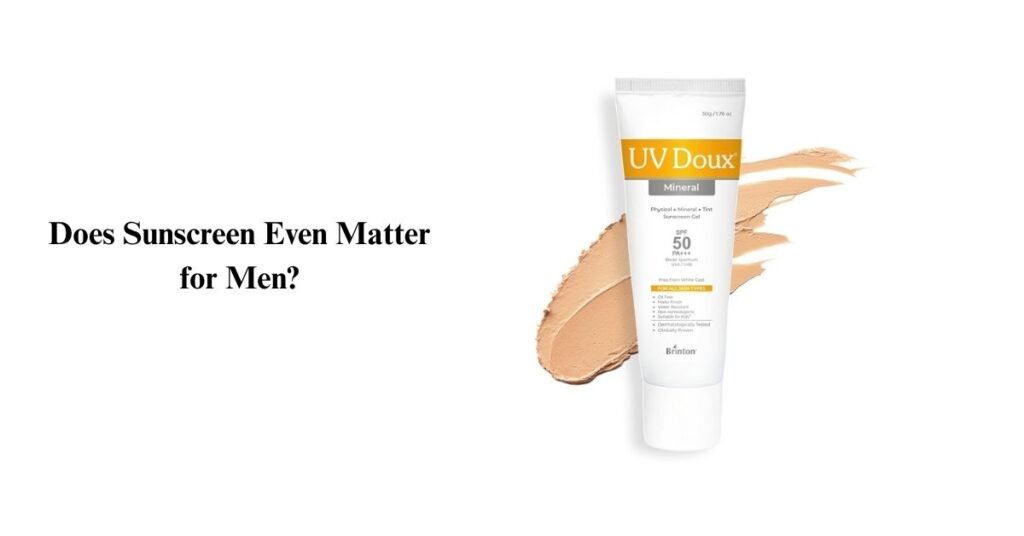
I’ll be honest I used to think sunscreen was more of a “skin care” thing that didn’t really apply to me. Most of the guys I knew felt the same way. We didn’t talk about SPF. We talked about whether the waves were good.
But here’s what changed my mind: I started noticing the difference in skin between men who consistently used sun protection and those who didn’t by their 30s and 40s. The sun damage, the uneven tone, the leathery texture. It wasn’t about vanity. It was about skin health.
UV radiation doesn’t care whether you’re a guy who “doesn’t really do skincare.” It breaks down collagen, causes dark spots, increases your risk of skin cancer, and makes you look older faster. And at the beach, all of that happens at an accelerated rate.
So yes sunscreen absolutely matters for men. Especially at the beach.
What to Look for in a Beach Sunscreen for Oily Skin
This is where I spent the most time figuring things out, because not all sunscreens are created equal and most of the popular ones on the market are formulated for dry or normal skin types. As someone with oily skin, here’s exactly what I look for:
Broad-Spectrum SPF 50
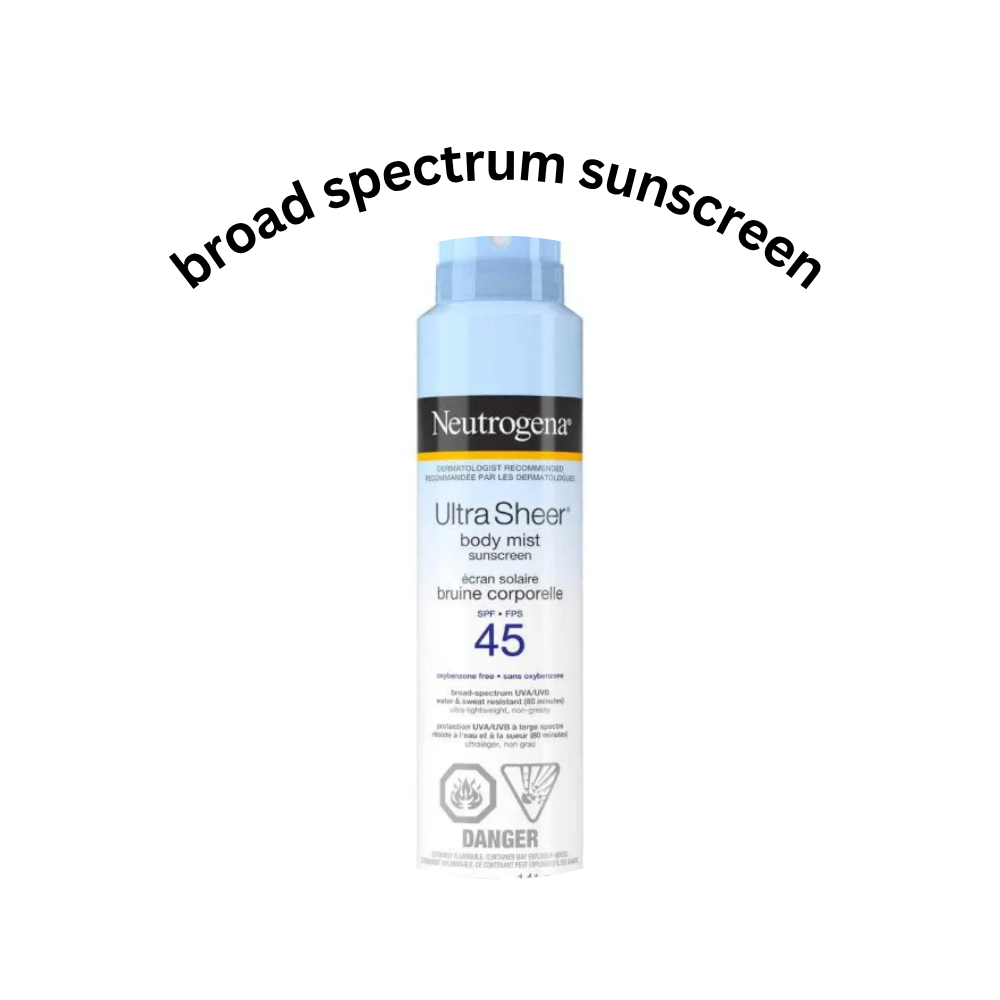
Broad-spectrum means the sunscreen protects against both UVA rays (which cause aging and deep skin damage) and UVB rays (which cause sunburn). For a full beach day, SPF 30 is the absolute minimum, but I personally never go below SPF 50 anymore. The extra protection is worth it when you’re spending hours under direct sun.
Water and Sweat Resistance
This one is critical for beach days. Look for “water-resistant (80 minutes)” on the label. This means the sunscreen maintains its SPF level for 80 minutes in water. For guys with oily skin who sweat a lot in the heat, this is non-negotiable. Regular sunscreens that aren’t water-resistant will slide right off the moment you start sweating or step into the ocean.

Lightweight, Non-Comedogenic Formula
Non-comedogenic means it won’t clog your pores. For oily skin, this matters a lot. Heavy cream-based sunscreens designed for dry skin will sit on top of your oily skin, mix with your sebum, and either cause breakouts or just look and feel terrible within an hour. Look for gel-based, fluid, or matte-finish formulas specifically.
Matte or Oil-Control Finish
Some sunscreens are specifically formulated to control shine throughout the day these are a game changer for oily-skinned guys. They absorb excess sebum and keep your face looking clean rather than greasy. I refused to wear sunscreen for years because it made my face look like a frying pan. Matte-finish formulas completely solved that problem for me.
Mineral or Chemical Which One?
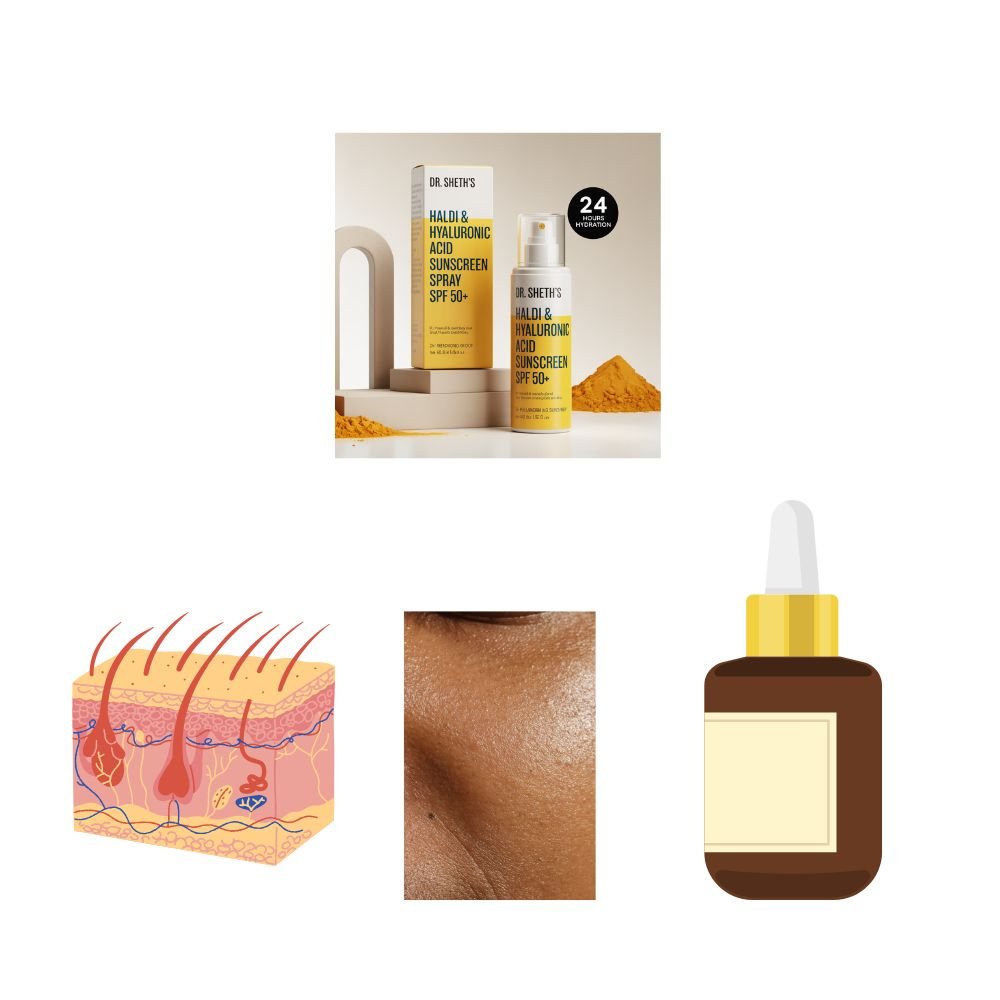
Chemical sunscreens absorb UV rays and convert them to heat. They tend to be very lightweight and invisible on the skin great for oily skin types because they don’t add any extra texture or greasiness.
Mineral sunscreens (zinc oxide or titanium dioxide) physically block UV rays. They’re excellent for sensitive or acne-prone skin because zinc oxide is anti-inflammatory and actually helps calm breakouts. The downside is they can sometimes leave a slight white cast, though many modern formulas have fixed this.
My personal approach: I use a lightweight chemical sunscreen for my body and a mineral or hybrid formula for my face on beach days. This gives me the best of both lightweight coverage everywhere and gentle, acne-friendly protection on my face.
How to Apply Sunscreen on a Beach Day (The Right Way)
Knowing what to buy is only half the job. I messed up the application side of things for years, and it completely undermined whatever protection I thought I was getting.
Start 20–30 minutes before you go outside. Sunscreen needs time to bond with your skin before it kicks in. Applying it when you’re already sitting on the beach means you’re unprotected for the first half hour at minimum. I apply mine at home before we even leave.
Use enough product. This was the biggest mistake I made for years. For your full body, you need about one ounce — picture a shot glass. For just your face and neck, about a quarter teaspoon. Most guys apply a tiny amount and call it done. When you apply too little, the actual SPF protection drops significantly below what’s on the bottle.
Don’t skip these spots. The back of your neck, tops of your ears, backs of your hands, tops of your feet, and your scalp along the hairline these are the areas that get badly burned most often because people forget them. As a guy with short hair, the top of my head has definitely paid the price for my forgetfulness in the past.
For oily skin: apply on a clean, dry face. Don’t apply sunscreen right after washing your face while it’s still damp. Pat dry first, then apply. This helps the sunscreen sit properly and last longer without sliding around.
Reapply every two hours no exceptions. This is the rule most guys ignore. Sunscreen breaks down over time from heat, sweat, and UV exposure itself. Every two hours is the standard, and immediately after swimming or toweling off. I set a timer on my phone. It sounds excessive until you realize it’s the only reason the sunscreen is actually working.
Building a Simple Beach Day Routine for Oily Skin
I know “routine” sounds like a lot of effort, but I promise this takes less than five minutes. Here’s exactly what I do now before a beach day:
The night before: I wash my face with a gentle cleanser and skip any heavy moisturizers. Starting the day with a clean base makes a big difference for oily skin in the heat.
Morning of the beach day:
- Wash face with a gentle, oil-controlling cleanser
- Skip the heavy moisturizer a light gel moisturizer or just skip it entirely if your skin is very oily
- Apply a generous layer of matte-finish SPF 50 sunscreen to my face and neck
- Apply water-resistant SPF 50 sunscreen to the rest of my body
- Let it absorb for 20–25 minutes before heading out
At the beach:
- Reapply every two hours
- Reapply immediately after every swim
- Keep a small travel-size bottle in my bag so reapplication is easy
That’s genuinely it. Nothing complicated. No ten-step routine. Just clean skin, the right sunscreen, and consistent reapplication.
Extra Tips That Made a Real Difference for Me
Wear a rash guard or UV shirt. I used to think these were only for kids or professional surfers. Now I wear one for the first couple of hours at the beach, especially between 10 AM and 2 PM when UV intensity is at its peak. It protects your chest, shoulders, and back without needing to reapply sunscreen to those areas constantly.
Get a wide-brimmed hat. Your face takes the most direct sun exposure at the beach. A hat reduces that dramatically, takes pressure off your sunscreen, and keeps your face cooler which also means less sweating and less sebum production. Win all around.
Use a blotting paper between reapplications. For oily skin specifically, your face can get pretty shiny and greasy midway through the day. Instead of rubbing it with a towel (which removes your sunscreen), use a blotting paper to absorb the excess oil, then reapply sunscreen on top.
Don’t forget your lips. Chapped, sunburned lips are miserable. Keep a lip balm with SPF in your bag and apply it alongside your sunscreen reapplications.
Rinse off after the beach. Salt water and sand can clog pores, especially for oily skin types. When you get home, rinse your skin with clean water and use a gentle cleanser on your face. This prevents post-beach breakouts which, in my experience, used to show up two days after a beach trip like clockwork.
Quick Recap: What Every Guy with Oily Skin Needs for Beach Days
- SPF 50 broad-spectrum sunscreen minimum
- Water-resistant formula (80-minute rating)
- Non-comedogenic, lightweight or gel-based texture
- Matte or oil-control finish for your face
- Apply 20–30 minutes before sun exposure
- Reapply every two hours and after every swim
- Bonus: rash guard, wide-brim hat, and SPF lip balm
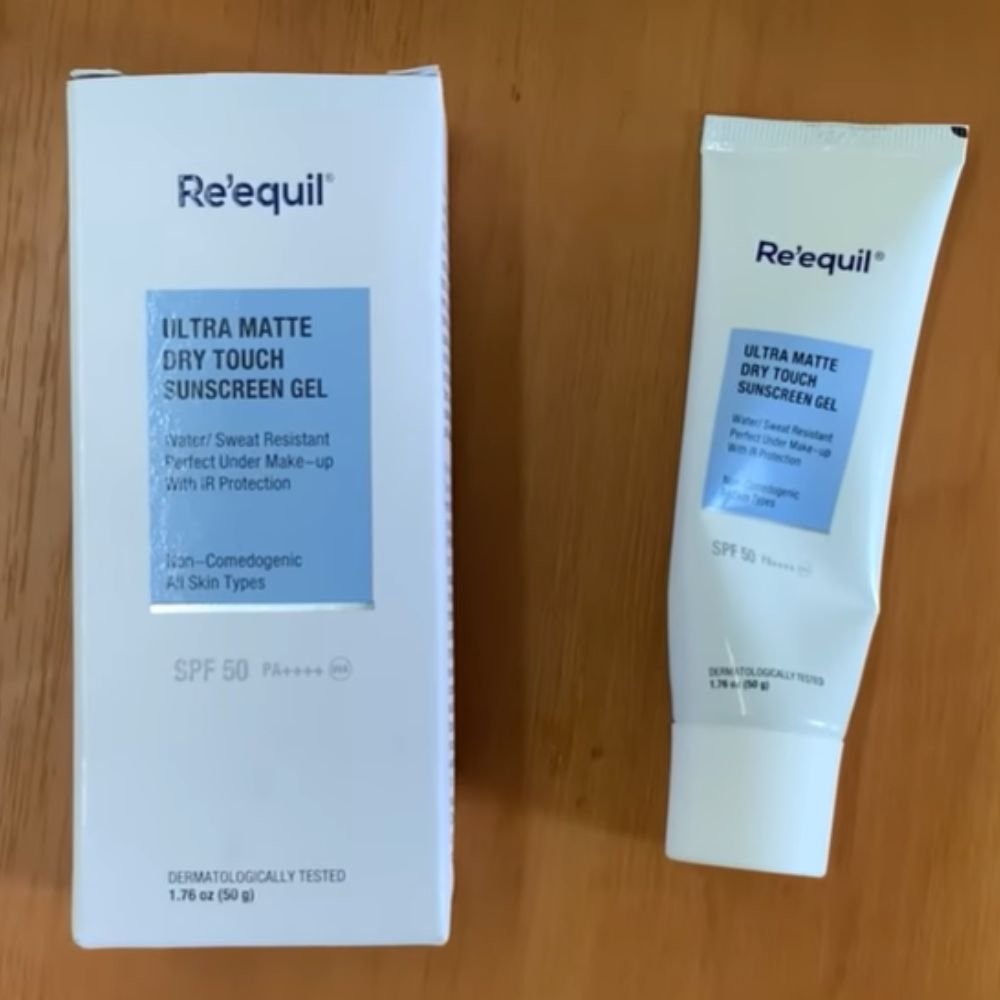
I personally use the Requill sunscreen (Ultra Matte Dry Touch Sunscreen Pack of 2) which has all the qualities for beach sunscreen
My experience Using this product
This sunscreen is broad spectrum , water resistance , gel based texture it is perfect for oily skin men
I specially use this while I go to water parks or lake or dams it is also good for beach
It protect my skin from tanning and stays for minimum 50 minutes on my skin even when I am playing or swimming in the water
About The author

Hii my name is sahil with 2 years of experience in MEN SKIN CARE
I love to share the information and knowledge about men skin care
Here the posts or blog which I share are about skin care products, remedies , diet are my personally tried and tested posts
here I love to share my personal experience with you all so that It may help you in your skin care journey
I have helped 20+ individuals in their skin care journey to overcome their skin problem by using quality products as well as home remedies. I have been recommending skin care as well as hair care products to my friends cousins and as well as sibling and they found my recommended products helpful
This post was shared on Reddit and Got 15 Upvotes. I regularly share these information and tips and Quora , Reddit and other social platforms
⚠️ Disclaimer: This blog is for general informational purposes only and does not constitute medical or dermatological advice. Skin types vary. For specific skin concerns or conditions, please consult a board-certified dermatologist.
Use our tool to find out what is your skin Type : Identify My Skin Type
Frequently Asked Questions
Q1. What SPF is best for a beach day if I have oily skin?
SPF 50 is the sweet spot for beach days. It offers strong protection without requiring you to use overly heavy formulas. Look for oil-free or gel-based SPF 50 sunscreens specifically made for oily or combination skin.
Q2. Will sunscreen make my oily skin worse at the beach?
It depends entirely on the formula. Heavy cream-based sunscreens can definitely make oily skin feel greasier. But lightweight, gel-based, or matte-finish sunscreens are specifically designed to not add any extra shine or heaviness. Once I switched to these, the greasiness issue went away completely.
Q3. How often should I reapply sunscreen at the beach?
Every two hours, and immediately after swimming or toweling off. Beach conditions heat, water, sweat break down sunscreen faster than normal outdoor conditions. Consistent reapplication is what actually makes your sunscreen work.
Q4. Is mineral or chemical sunscreen better for men with oily skin?
Both can work well. Chemical sunscreens tend to be more lightweight and invisible, which many oily-skinned guys prefer for the face. Mineral sunscreens with zinc oxide are great if you have acne-prone skin since zinc is naturally anti-inflammatory. A hybrid formula that combines both is often the best of both worlds.
Q5. Can I use my regular daily face sunscreen for a beach day?
Your regular SPF moisturizer or low-SPF daily sunscreen isn’t ideal for beach days. It’s usually not water-resistant and the SPF isn’t high enough for hours of intense sun exposure. Keep a dedicated, water-resistant SPF 50 sunscreen specifically for beach and outdoor days.
Q6. Does sunscreen prevent tanning completely at the beach?
It significantly reduces tanning by blocking most UV rays, but no sunscreen blocks 100%. Consistent reapplication and using SPF 50 will keep tanning minimal and protect your skin from the deeper damage that causes uneven pigmentation and aging.
Q7. What’s the best way to remove sunscreen after a beach day?
A gentle oil cleanser or micellar water does a great job of removing sunscreen residue. For oily skin, follow with a gentle foaming cleanser to clear out any remaining product and prevent clogged pores or post-beach breakouts.
Updated on : 9 may 2026
My Honest Final Thoughts
Beach days are some of the best days. I’m not going to sit here and tell you to hide from the sun or skip the fun. That’s not the point.
The point is that with the right sunscreen and a little bit of consistency, you can fully enjoy every beach day without coming home looking like a lobster, breaking out for a week, or slowly stacking up sun damage that shows up years later.
As a guy with oily skin, I spent way too long avoiding sunscreen because it felt gross or made my skin look worse. The truth is I just hadn’t found the right formula or the right application method. Once I did, it became as automatic as brushing my teeth before I head out.
Do your skin a favor. Next beach day, do it right. Your future self will genuinely thank you.