Table of Contents
Finding effective sun protection that feels comfortable on the skin can transform daily skincare routines. Mineral sunscreen SPF 50 offers robust defense against harmful UV rays while providing benefits that many other formulas cannot match. This guide explores everything needed to select the perfect mineral sunscreen for individual needs.
What Makes the Best Mineral Sunscreen SPF 50
The best mineral sunscreen SPF 50 combines high-level protection with skin-friendly ingredients. These formulas rely on mineral filters rather than chemical compounds, making them suitable for various skin types and concerns. Superior products deliver broad-spectrum coverage while maintaining comfortable wear throughout the day.

Quality mineral sunscreens protect against both UVA rays, which cause premature aging, and UVB rays, which lead to sunburn. The SPF 50 rating indicates that the product blocks approximately 98% of UVB rays when applied correctly.
Understanding Zinc Oxide Sunscreen SPF 50
Among mineral filters, zinc oxide sunscreen SPF 50 stands out as a gold standard ingredient. Zinc oxide provides the broadest spectrum of UV protection available from a single ingredient. This mineral sits on the skin’s surface, reflecting and scattering harmful radiation away from delicate tissues.
The particle size in modern formulations has improved dramatically, reducing the chalky appearance that once characterized these products. Zinc oxide also offers natural anti-inflammatory properties, making it particularly beneficial for reactive or irritated skin.
The Role of Titanium Dioxide Sunscreen SPF 50
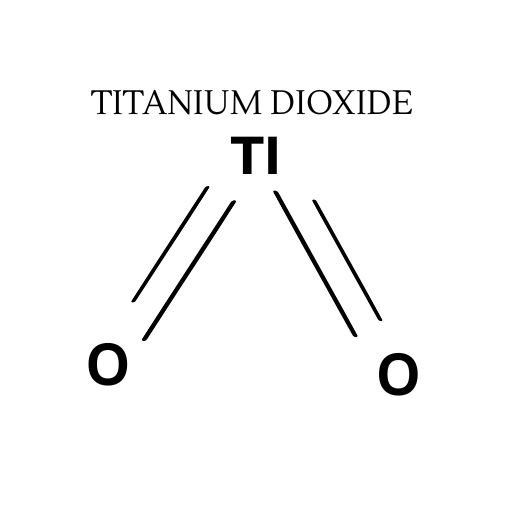
Titanium dioxide sunscreen SPF 50 represents another trusted mineral option. While titanium dioxide excels primarily at blocking UVB rays, it contributes to comprehensive protection when combined with other ingredients. This mineral feels exceptionally lightweight on the skin compared to zinc oxide alone.
Many formulas blend titanium dioxide with zinc oxide to achieve optimal broad-spectrum mineral sunscreen protection. This combination balances efficacy with cosmetic elegance, creating products that both protect effectively and feel pleasant to wear.
Broad Spectrum Mineral Sunscreen Benefits
Choosing a broad spectrum mineral sunscreen ensures complete protection against the full range of ultraviolet radiation. UVA rays penetrate deeper into skin layers, contributing to collagen breakdown, hyperpigmentation, and increased cancer risk. UVB rays primarily affect the skin’s surface, causing visible burning and DNA damage.
Mineral filters naturally provide broader coverage across UV wavelengths compared to many chemical alternatives. This inherent advantage makes mineral formulas particularly reliable for comprehensive daily protection.
Mineral Sunscreen for Sensitive Skin
People searching for mineral sunscreen for sensitive skin discover that mineral filters rarely cause irritation. Unlike chemical sunscreens that absorb into skin layers, minerals remain on the surface, minimizing potential for adverse reactions. This makes them ideal for those with conditions like rosacea, eczema, or contact dermatitis.
The simple ingredient lists typical of mineral formulas reduce exposure to potential irritants. Additionally, a gentle sunscreen for sensitive skin avoids common triggers like fragrances, dyes, and harsh preservatives.
Reef Safe Sunscreen SPF 50 and Environmental Impact
Environmental consciousness drives many consumers toward reef safe sunscreen SPF 50 options. Chemical filters like oxybenzone and octinoxate have been linked to coral bleaching and marine ecosystem disruption. Mineral sunscreens containing only zinc oxide and titanium dioxide pose no known threat to ocean life.
Hawaii, the U.S. Virgin Islands, and other regions have banned certain chemical sunscreen ingredients to protect their reefs. Mineral formulas allow beachgoers to enjoy water activities while minimizing environmental impact.
Mineral Sunscreen for Oily Skin Solutions
Historically, mineral sunscreen for oily skin presented challenges due to heavy textures. Contemporary formulations have revolutionized this category with mattifying finishes and oil-absorbing ingredients. Silica, rice powders, and similar components help control shine throughout wear.
Many brands now offer gel-based or fluid mineral sunscreens that feel weightless on oilier complexions. These innovations make mineral protection accessible to all skin types without compromise.
Physical Sunscreen SPF 50 Explained
The term physical sunscreen SPF 50 describes the same category as mineral sunscreens. “Physical” refers to the mechanical action of reflecting UV rays rather than absorbing them chemically. These terms are often used interchangeably in skincare discussions.
Physical barriers work immediately upon application, requiring no waiting period before sun exposure. This instant protection makes them convenient for spontaneous outdoor activities or for parents applying sunscreen to active children.
Fragrance-Free Mineral Sunscreen Advantages
Opting for fragrance-free mineral sunscreen eliminates a common source of skin irritation and allergic reactions. Fragrances, whether synthetic or natural, rank among the top allergens in skincare products. Sensitive individuals benefit significantly from unscented formulations.
Additionally, fragrance-free options appeal to those who prefer not to mix competing scents with their perfumes or other fragranced products. The natural mineral scent is typically very mild or virtually undetectable.
Dermatologist Recommended Mineral Sunscreen Features
Most dermatologist recommended mineral sunscreen products share key characteristics that ensure both safety and efficacy. Dermatologists emphasize broad-spectrum protection, SPF 30 or higher, and mineral-based active ingredients for patients with sensitive or reactive skin.
Professional recommendations often highlight specific brands that undergo rigorous testing and maintain consistent quality. Dermatologists particularly favor mineral formulas for post-procedure skin, children, and individuals with compromised skin barriers.
Mineral Sunscreen for Dry Skin Needs
People with mineral sunscreen for dry skin concerns should look for formulations enriched with hydrating ingredients. Hyaluronic acid, glycerin, ceramides, and plant oils help maintain moisture levels while providing sun protection. These additions prevent the tight, uncomfortable feeling that some mineral sunscreens can cause on parched skin.
Cream-based mineral sunscreens typically offer more emollient properties than gel or lotion formulas. Applying sunscreen over a moisturizer creates additional hydration support for very dry complexions.
Tinted Mineral Sunscreen SPF 50 Benefits
The innovation of tinted mineral sunscreen SPF 50 addresses the white cast concern while providing additional advantages. The pigments in tinted formulas blend seamlessly with various skin tones, creating an invisible finish or light coverage effect.
| Tinted Sunscreen Benefits | Description |
|---|---|
| White Cast Elimination | Iron oxides mask the natural white appearance of minerals |
| Blue Light Protection | Pigments may offer defense against digital screen exposure |
| Light Coverage | Evens skin tone and minimizes imperfections |
| Makeup Alternative | Simplifies morning routines for natural looks |
Many users find tinted versions serve double duty as both protection and light foundation, streamlining their beauty routines.
Water Resistant Mineral Sunscreen Performance
Active individuals require water resistant mineral sunscreen that maintains protection during swimming, sweating, or sports. Water resistance ratings of 40 or 80 minutes indicate how long the product remains effective under wet conditions.
Mineral formulas can achieve excellent water resistance through specific binding agents and film-forming ingredients. However, reapplication after swimming or heavy perspiration remains crucial for continuous protection.

Lightweight Mineral Sunscreen Innovations
Modern lightweight mineral sunscreen formulations feel nothing like the thick pastes of previous generations. Advanced micronization techniques create ultra-fine mineral particles that spread effortlessly and absorb quickly into the skin surface.
Silicone-based carriers, innovative emulsion technologies, and strategic ingredient combinations have transformed mineral sunscreens into elegant, barely-there products. These improvements encourage consistent use by making application a pleasure rather than a chore.
Mineral Sunscreen for Face and Body
While many products market themselves as mineral sunscreen for face and body, some considerations apply to each area. Facial formulas often include skincare actives and cosmetically elegant textures, while body sunscreens may prioritize coverage area and cost-effectiveness.
Using a dedicated facial sunscreen allows for targeted treatment of specific concerns like anti-aging or acne management. Body formulas can be applied more liberally without worrying about facial sensitivity or finish.
SPF 50 Sunblock for Daily Use
Incorporating SPF 50 sunblock for daily use establishes the foundation for long-term skin health. Daily protection prevents cumulative UV damage that manifests as premature aging, sunspots, and increased skin cancer risk. Consistency matters more than any other factor in photoprotection.
Making sunscreen the final step in morning skincare routines creates a healthy habit. Even on cloudy days or when spending time primarily indoors, UV rays penetrate windows and clouds, making daily application essential.
Achieving Mineral Sunscreen Without White Cast
The quest for mineral sunscreen without white cast has driven significant innovation in recent years. Manufacturers employ several strategies to minimize the chalky appearance traditionally associated with mineral filters.
Techniques to reduce white cast:
- Micronized or nano-sized mineral particles
- Tinted formulations with iron oxides
- Transparent or sheer base formulations
- Combination approaches using multiple technologies
Testing different brands and formulations helps individuals find options that disappear on their specific skin tone.
Best Natural Mineral Sunscreen Options
For those seeking the best natural mineral sunscreen, mineral-based formulas align perfectly with clean beauty philosophies. These products avoid synthetic chemicals, relying instead on earth-derived minerals for UV protection.
Natural formulations often incorporate botanical extracts, plant oils, and organic ingredients alongside zinc oxide or titanium dioxide. However, consumers should remember that “natural” doesn’t automatically mean more effective or safer mineral filters themselves provide excellent protection regardless of the surrounding formula composition.
Paraben-Free Mineral Sunscreen Selections

The preference for paraben-free mineral sunscreen reflects broader trends toward preservative alternatives in personal care. While research hasn’t definitively proven parabens harmful at cosmetic concentrations, many brands have reformulated to meet consumer demand.
Numerous effective preservative systems exist beyond parabens, including phenoxyethanol, potassium sorbate, and sodium benzoate. Mineral sunscreens can maintain stability and shelf life without parabens while still ensuring product safety.
The preference for paraben-free mineral sunscreen reflects broader trends toward preservative alternatives in personal care. While research hasn’t definitively proven parabens harmful at cosmetic concentrations, many brands have reformulated to meet consumer demand.
Numerous effective preservative systems exist beyond parabens, including phenoxyethanol, potassium sorbate, and sodium benzoate. Mineral sunscreens can maintain stability and shelf life without parabens while still ensuring product safety.
Interesting Topics :
Best Fruits for Skin A Man’s Honest Guide to Eating Your Way to Better Skin
Amla Benefits for Skin: What I Learned After Months of Experimenting
17 Best Fruits for Men’s Skin: Your Guide to Natural Radiance
Follow me on Quora : sahil sheikh
Why Listen to me :

Written by sahil sheikh with 2 years of experience in men’s skin care
I have helped more than 10 individuals regarding their skin problem recommending specific skin care products and home remedies
I have been recommending skin care products and home remedies to my friends and sibling and most the products worked very well foe them
This post is shared In Reddit and Quora and in reddit it has got 20 upvotes
Updated on : 6 may 2026
Choosing the Right Mineral Sunscreen for Your Needs
Selecting appropriate mineral sun protection involves assessing individual factors including skin type, lifestyle, and personal preferences. Someone with oily, acne-prone skin will have different ideal product characteristics than someone with dry, sensitive skin.
Selection Criteria Checklist:
- Skin type compatibility (oily, dry, combination, sensitive)
- Desired finish (matte, dewy, invisible, tinted)
- Activity level (water resistance needs)
- Additional skin concerns (anti-aging, acne, hyperpigmentation)
- Environmental values (reef-safe, sustainable packaging)
- Budget considerations
Trying sample sizes or purchasing travel versions allows testing before committing to full-sized products.
Combining Mineral Sunscreen with Skincare
Mineral sunscreen integrates seamlessly into comprehensive skincare routines when layered correctly. After cleansing and applying treatment products like serums or prescription medications, sunscreen should be the final skincare step before makeup.
Allow each skincare layer to absorb briefly before applying the next product. This prevents pilling and ensures each product can work effectively. If using both moisturizer and sunscreen, wait 1-2 minutes between applications.
Some mineral sunscreens include moisturizing ingredients that may eliminate the need for separate daytime hydrators, simplifying routines while maintaining skin health.
Storage and Shelf Life Considerations
Proper storage extends mineral sunscreen effectiveness and longevity. Heat, light, and air exposure can degrade both active and inactive ingredients over time. Store sunscreens in cool, dark places rather than in hot cars or direct sunlight.
Most sunscreens remain effective for three years from manufacture when stored properly. Check expiration dates and discard products that have changed color, consistency, or smell, as these changes indicate degradation. Using expired sunscreen provides inadequate protection and may cause skin irritation.
Conclusion
Mineral sunscreen SPF 50 represents a safe, effective, and environmentally responsible choice for sun protection. With modern formulations addressing previous concerns about texture and appearance, mineral sunscreens now suit virtually every skin type and lifestyle.
Whether prioritizing sensitivity, environmental impact, water resistance, or cosmetic elegance, today’s mineral sunscreen market offers extensive options. The key to sun protection success lies in finding a product that feels comfortable enough to wear consistently, making daily application a sustainable habit rather than an occasional effort.
Understanding individual needs, reading ingredient lists carefully, and being willing to test different formulations helps everyone find their ideal mineral sunscreen. The investment in quality sun protection pays dividends in healthier, more youthful-looking skin for years to come.