Table of Contents
I have used coconut oil on my hair for over two years. Here is everything I know, everything that worked, and a few things I got wrong along the way.
I grew up watching my father massage coconut oil into his hair every Sunday before a shower. I used to think it was an old-fashioned habit, something that belonged to a different era of grooming. Then I hit my late twenties,
My hair started feeling dry and brittle, and I quietly started doing exactly what he did. I have not looked back.
Coconut oil is one of those rare things that has both centuries of traditional use and genuine modern science backing it up.
In this blog I want to walk you through what coconut oil actually does for your hair, why it works better than most other oils, how to use it correctly so you actually get results, and what to expect if you commit to it consistently. This is the guide I wish I had when I started.
Disclaimer : This blog is written from personal experience and informed by published research. It is not a substitute for medical advice. If you are experiencing significant hair loss or scalp
Is coconut oil good for hair?
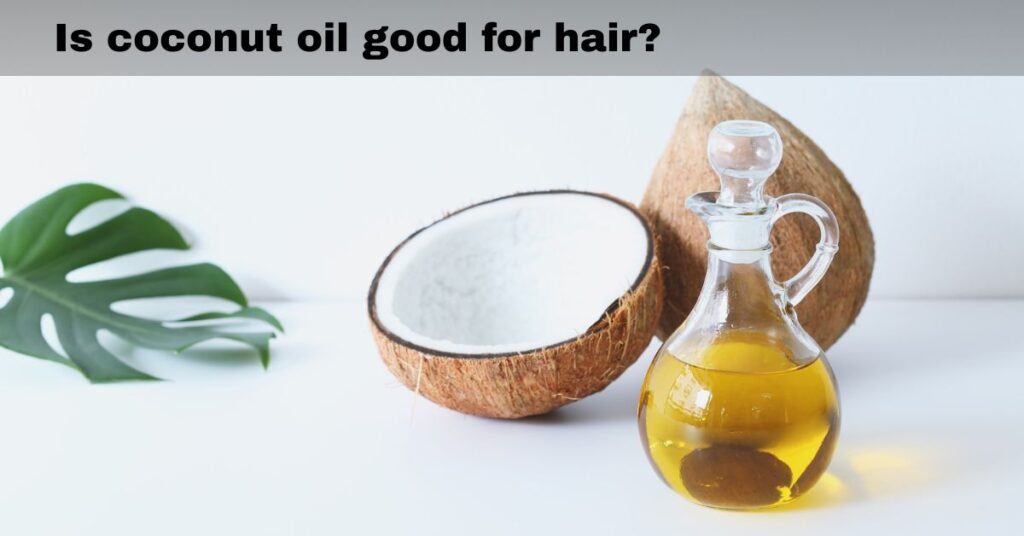
The short answer is yes, and the reason is more specific than most people realise. Not all oils do the same job. Most oils sit on the surface of the hair shaft and act as a coating. Coconut oil is one of the very few oils that can actually penetrate the hair shaft itself.
This matters because the most common cause of hair damage is protein loss. Every time you wash, comb, heat-style, or expose your hair to the sun, you lose a small amount of protein from inside the hair cortex.
Over time this leads to brittle, weak, dry, and break-prone hair. Coconut oil, because of its unique molecular structure, gets inside the shaft and dramatically reduces this protein loss from happening in the first place.
A study published in the Journal of Cosmetic Science tested three oils on hair protein loss: mineral oil, sunflower oil, and coconut oil. Coconut oil was the only one that significantly reduced protein loss when used both before and after washing. Mineral oil and sunflower oil showed no such benefit.
That result alone tells you why coconut oil has a different category of usefulness compared to other oils.
The key compound responsible is lauric acid, a medium-chain fatty acid that makes up about 50% of coconut oil. Lauric acid has a low molecular weight and a straight chain structure, which allows it to physically enter the hair shaft and bond with hair proteins in a way that bulkier molecules simply cannot.
Most oils moisturise the outside of your hair. Coconut oil works from the inside. That is the core reason it performs differently and why I kept coming back to it even after trying other options.
Coconut oil hair food: how it nourishes your hair and scalp
I like to think of coconut oil as food for both my hair and my scalp, because it really does nourish both in different ways. On the scalp side, coconut oil provides deep moisturisation, has natural anti-fungal and anti-bacterial properties, and helps reduce inflammation that can lead to dandruff and hair thinning.
On the hair shaft side, it fills in gaps in the cuticle, reduces friction between strands, and fortifies each hair from the inside out.
When I first started using coconut oil regularly, the most immediate thing I noticed was a reduction in the amount of hair breaking off when I combed after a shower. My hair used to leave a concerning amount of shorter broken strands on my comb. Within a few weeks of consistent oiling, that reduced dramatically. The protein-preserving effect was doing its job.
Here is what coconut oil feeds your hair with:
Lauric acid
Penetrates the hair shaft, binds with hair proteins, and prevents structural damage from washing and styling.
Vitamin E
A natural antioxidant that protects hair follicles from oxidative stress caused by pollution and UV exposure.
Capric and caprylic acid
Anti-microbial fatty acids that keep the scalp environment clean and reduce dandruff-causing fungi.
Natural saturates
Seal the cuticle layer after washing, reducing frizz, adding shine, and protecting against humidity.
Moisture retention
Reduces water uptake when hair is wet, which is when hair is at its most fragile and prone to breakage.
Scalp conditioning
Softens dry, flaky scalp skin and provides deep hydration without clogging follicles when applied correctly.
One thing I particularly noticed over time was the condition of my scalp in winter. Cold weather tends to dry my scalp out and bring back dandruff.
During winters when I was consistent with coconut oil, that problem was almost entirely absent. The years I was lazy about it, the dandruff came back.
Coconut oil advantages for hair : the full list
Beyond the core science, I want to run through every advantage I have personally experienced or found to be backed by credible research. These are the reasons I kept using coconut oil when I could easily have switched to any number of more expensive, more heavily marketed products.
It reduces hair breakage significantly
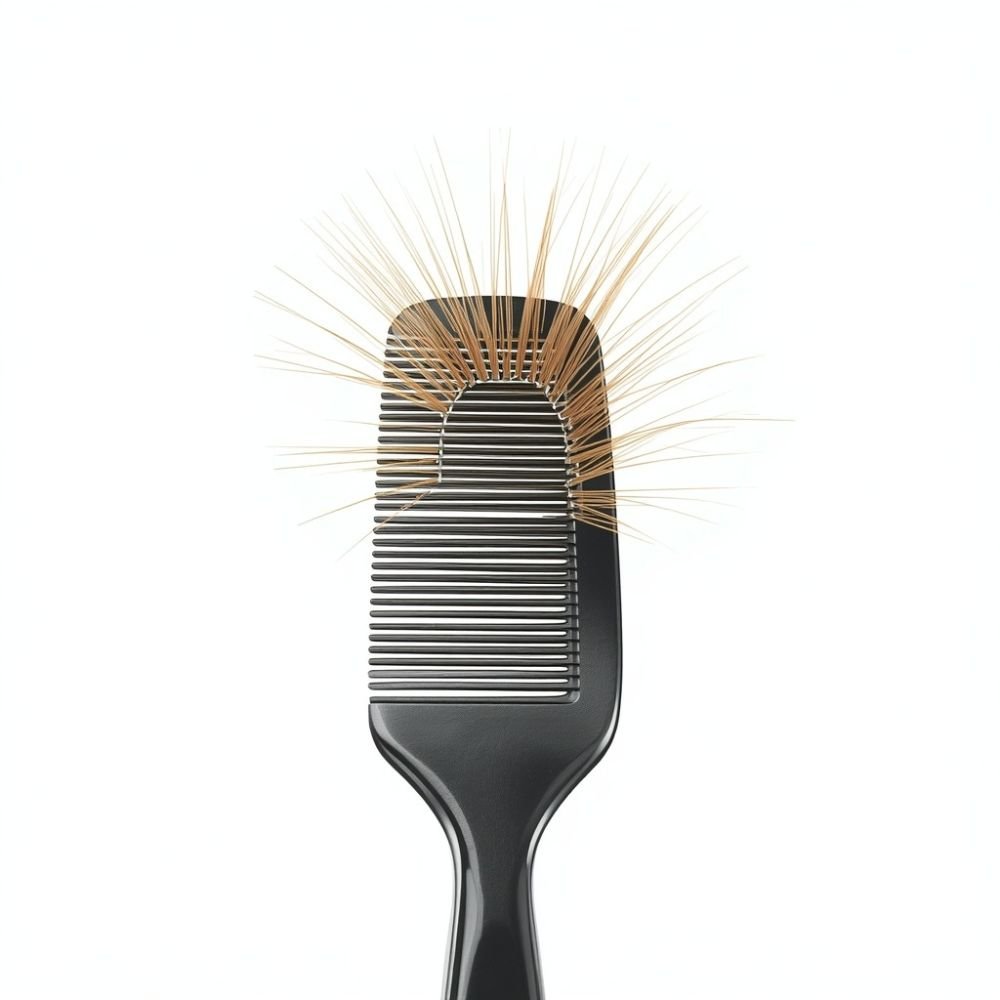
This was the first benefit I noticed and it remains the most consistent one. Because coconut oil reduces protein loss and strengthens the hair from inside the shaft, the individual strands are simply tougher and more resistant to mechanical damage from combing, rubbing on a towel, and general daily wear. If you have ever noticed a lot of short broken hairs on your comb or pillow, consistent coconut oil use is worth trying before anything else.
It controls dandruff naturally
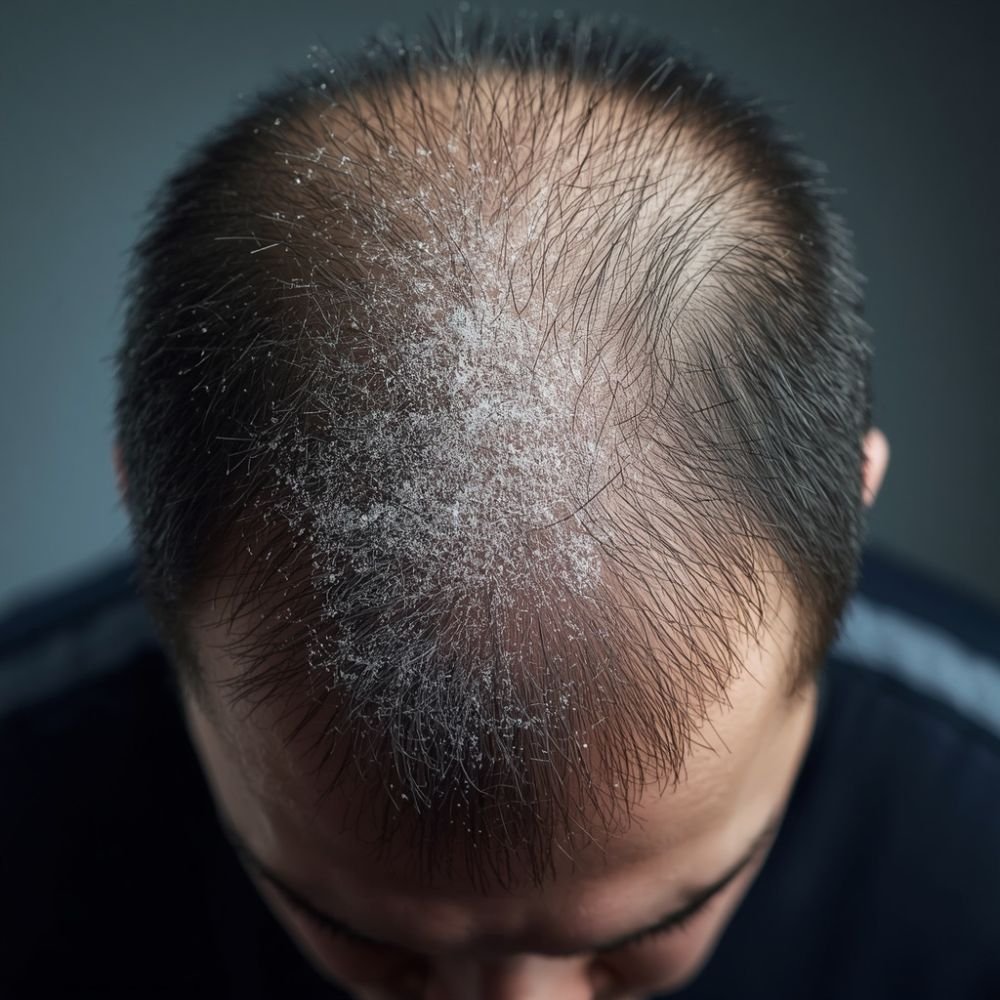
Dandruff is usually caused by an overgrowth of a scalp fungus called Malassezia. Coconut oil’s caprylic and capric acid content are genuinely anti-fungal and have been shown to inhibit Malassezia growth. I have found coconut oil more effective for my scalp than most anti-dandruff shampoos, which strip the scalp of its natural oils and sometimes make dryness worse over time.
It adds real shine without product buildup
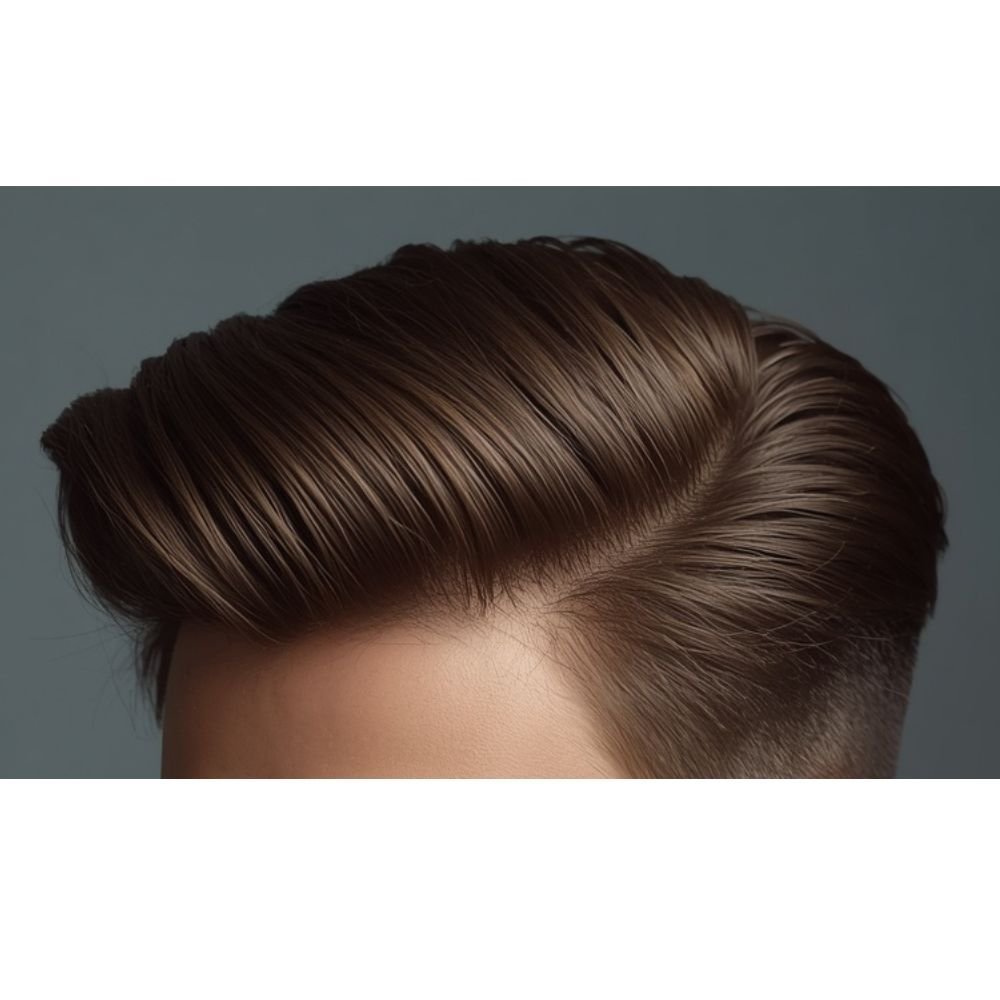
Most shine products you find in shops work by coating the hair with silicones that reflect light. Coconut oil does the same thing naturally by smoothing the cuticle, and it washes out cleanly without the buildup that silicone-based products leave behind. My hair looks healthier and more alive on days after I have oiled and washed, compared to any styling product I have used.
It works as a pre-wash protector
This is the use I underestimated most at the start. Applying coconut oil to dry hair 30 to 60 minutes before shampooing dramatically reduces the damage caused by the wash itself. Water causes hair to swell, which stresses the cuticle. Coconut oil forms a protective layer that limits this water uptake, so the washing process is much gentler on your hair overall.

It softens coarse and dry hair
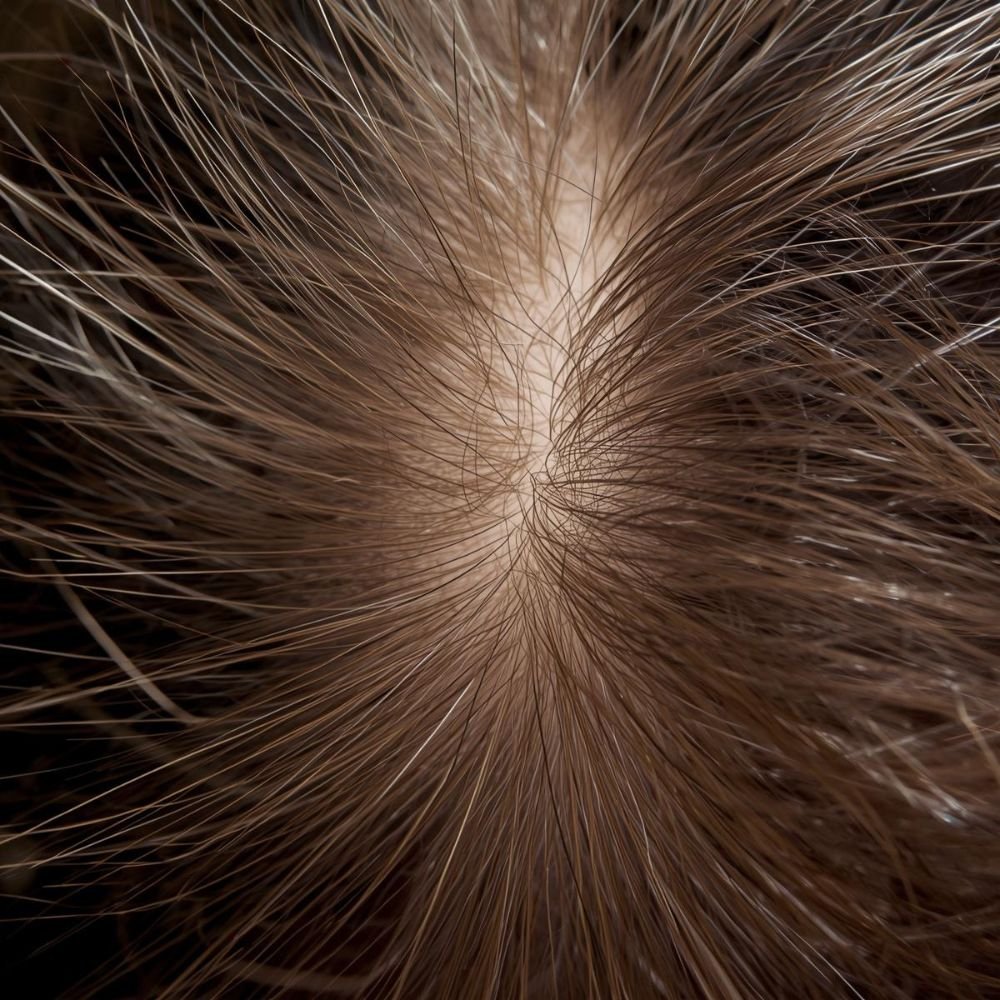
Men with thick, coarse hair often find their hair difficult to manage and prone to frizz. Coconut oil is genuinely one of the best natural softeners for coarse hair because it penetrates rather than just coating. The softening effect lasts through a wash, not just for a few hours like a styling product.
It is affordable and lasts a long time
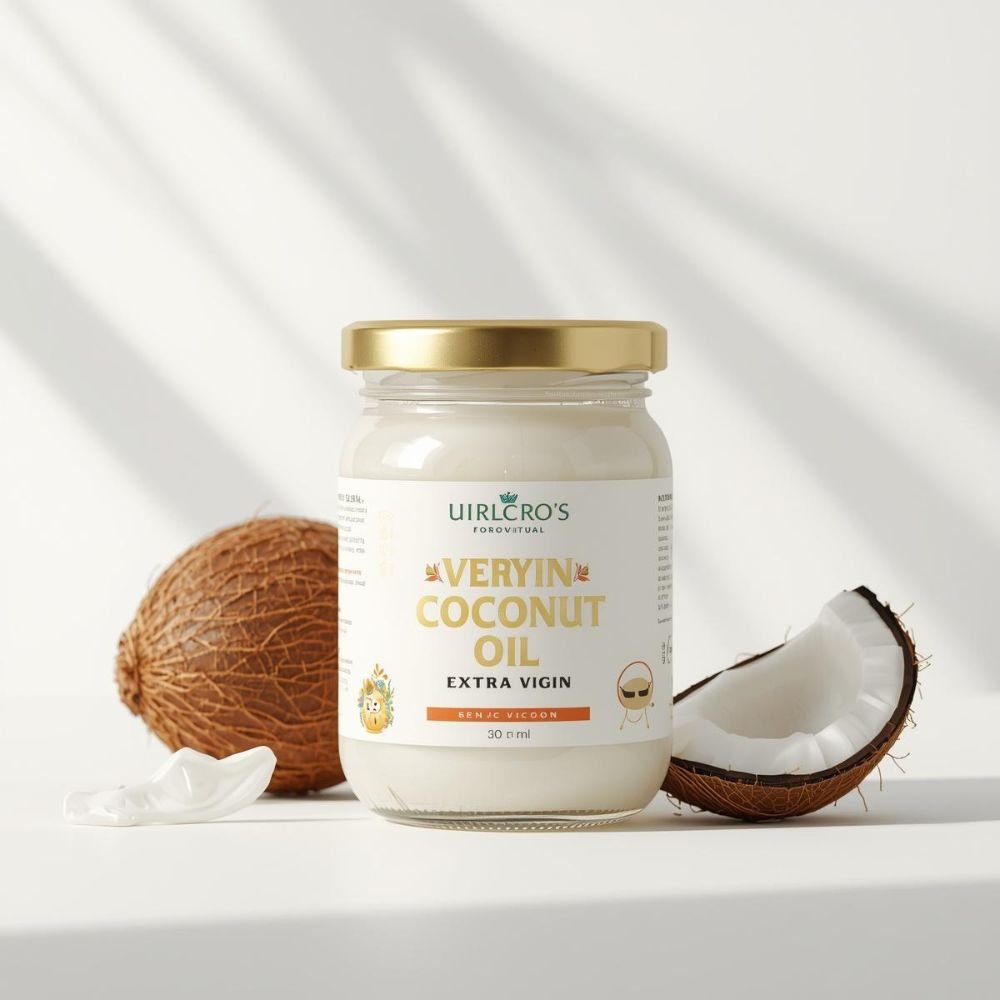
A good jar of virgin coconut oil will last several months even with regular use. The cost per use is a fraction of most specialist hair products. I mention this because it is one of the reasons I never feel the need to be stingy with it, which means I am more likely to use it consistently.
Worth knowing
Coconut oil is most effective for men with normal to dry hair types. Men with very fine or low-porosity hair may find it too heavy and it can weigh the hair down. If that is you, try using it only as a pre-wash treatment rather than leaving it in.
How do I use coconut oil for hair?
This is the question that makes the biggest difference between people who see results and people who give up after two weeks saying it did not work. How you use coconut oil matters as much as whether you use it. Here is exactly how I do it and what I have found works best.
Choosing the right coconut oil
Best choice : Virgin or extra virgin coconut oil
Cold-pressed from fresh coconut, retains all nutrients and natural scent. This is what I use and recommend for hair.
Acceptable : Refined coconut oil
Processed to remove scent and some impurities. Still works for hair but loses some of the nutrient profile of virgin oil.
Avoid for hair : Fractionated coconut oil
Has had the lauric acid removed, which is the compound most responsible for coconut oil’s unique hair benefits. Not ideal.
Method one: pre-wash treatment (my most-used method)
1. Scoop out a small amount. For short to medium length hair, a 10 to 20 pence sized amount is plenty. Coconut oil is solid below 24 degrees so you may need to warm it between your palms first until it melts clear.
2.Apply to dry hair from mid-length to ends. Start at the mids and work down to the ends. These are the oldest, most damaged parts of your hair. Do not pile oil right onto your roots at this stage or your scalp will be difficult to clean.
3.Work a small amount into the scalp if you have dryness or dandruff. Use your fingertips in circular motions. This improves blood flow and allows the oil to condition the scalp skin.
4.Leave on for at least 30 minutes. I usually put it in before my morning workout and wash it out after. An hour is ideal. Overnight works very well too.
5.Shampoo twice. The first shampoo breaks down the oil layer. The second actually cleans. Trying to get away with one shampoo when you have oiled will leave your hair greasy and flat.
Method two: overnight deep treatment
Apply generously to dry hair and scalp before bed. Use slightly more than you would for a daytime treatment since it has longer to absorb.
Wrap your hair in a soft cloth or old t-shirt before sleeping. This protects your pillowcase and also creates a gentle warm environment that helps the oil penetrate better.
Wash thoroughly in the morning using two rounds of shampoo. Follow with your usual conditioner if needed, though you may find your hair is soft enough that you can skip it.
Coconut oil hair mask :
Coconut oil and egg mask (for strength and protein)
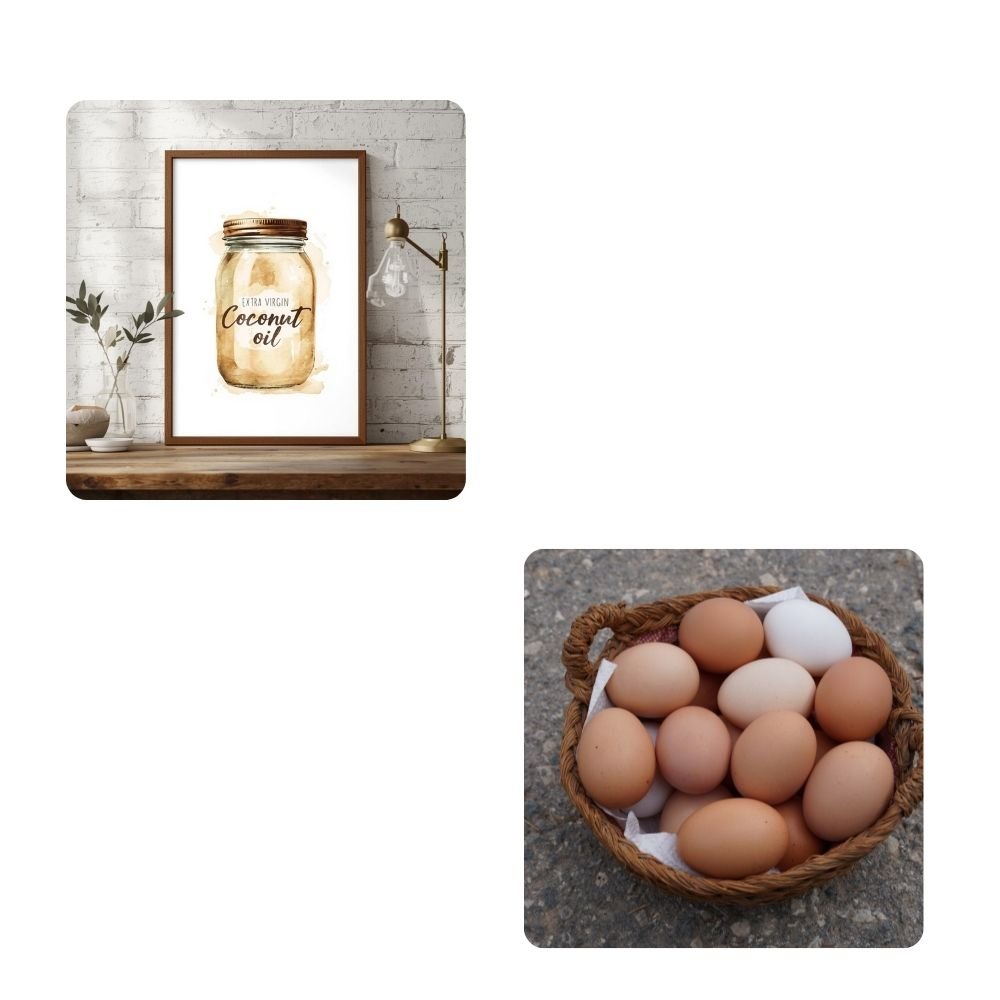
Two tablespoons of virgin coconut oil, melted One whole egg, whisked
Mix well, apply to hair, leave for 20 minutes, rinse with cool water first then shampoo. Never use hot water with egg or it will cook in your hair.
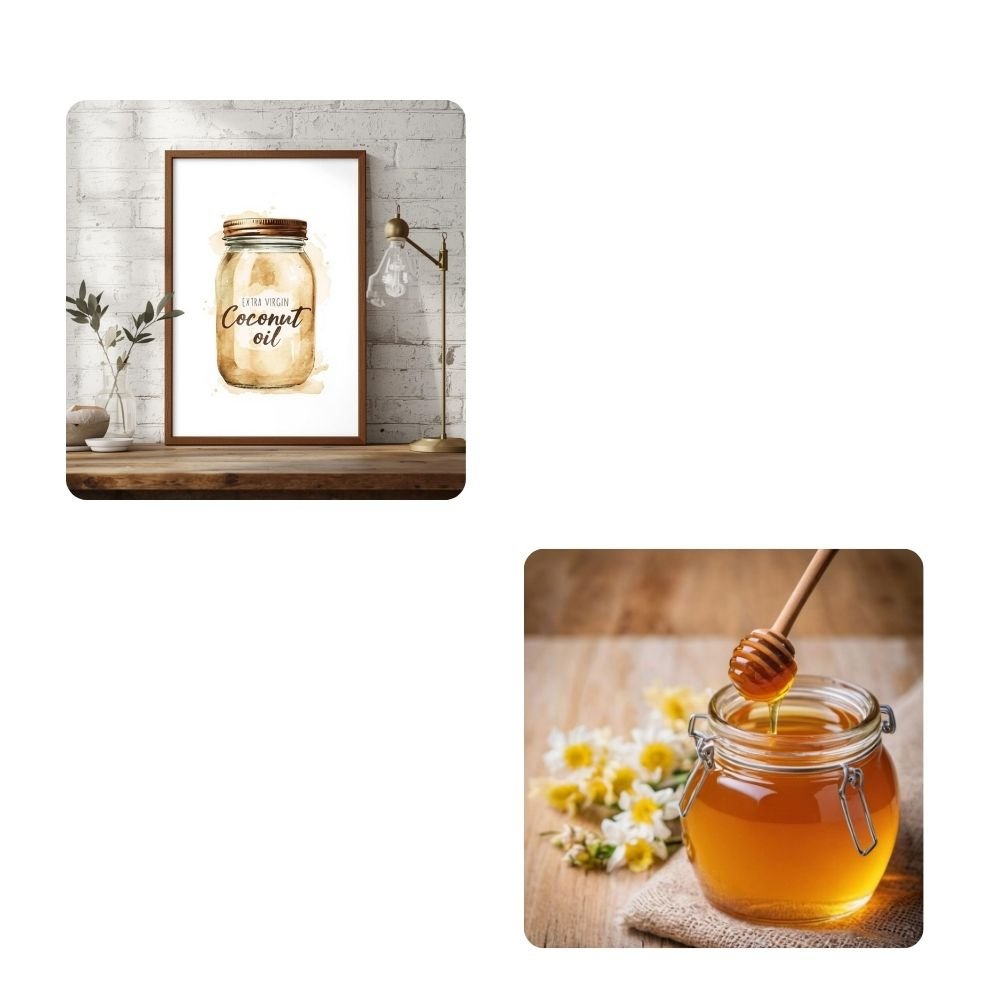
Coconut oil and honey mask (for moisture and shine)
Two tablespoons of virgin coconut oil, melted One tablespoon of raw honey
Mix together and apply to damp hair. Leave for 30 minutes, then rinse and shampoo. Honey is a humectant that draws moisture into the hair shaft alongside the coconut oil.
Coconut oil and castor oil blend (for scalp and growth)
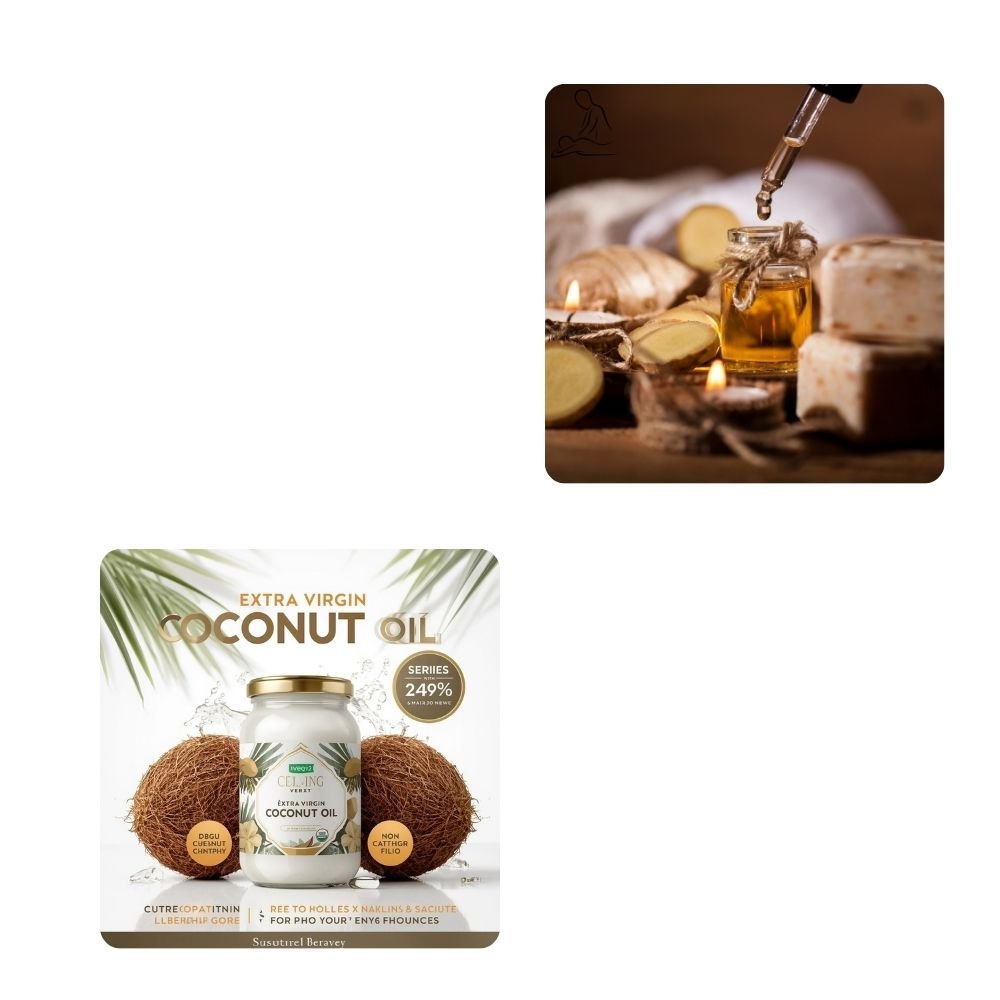
One tablespoon of virgin coconut oil One tablespoon of castor oil
Mix and massage into scalp for five to eight minutes. Leave for at least an hour before washing. This combination is particularly good for men dealing with a dry scalp or early thinning.
One thing to avoid
Do not apply coconut oil to soaking wet hair straight from the shower. Wet hair has already absorbed water and the oil cannot penetrate as effectively. Apply to dry hair before washing, or to nearly-dry hair after washing as a finishing treatment. Applying to soaking wet hair just gives you a greasy look without the internal benefits.
How often should you use it?
I use coconut oil as a pre-wash treatment two to three times a week. This is frequent enough to see consistent results and manageable enough that it does not feel like a chore. If you have particularly dry or damaged hair, you could start with three times a week and reduce once your hair condition improves. If you have fine or oily hair, once a week may be enough.
Consistency beats intensity every time. A small amount of coconut oil two or three times a week, done properly for two months, will do more for your hair than occasional heavy treatments with no follow-through.
Are you confused between when should I apply oil read this : Should We Apply Hair Oil Before Or After Bath Everything You Need To know (For Men)
Why listen to me :

Written by sahil sheikh with 6 months of experience in men’s hair care I started to share my personal hair care products and remedies on this blog
These all the blogs are on my experience I tried them and shared the outcomes in this blog so that you get a idea what works what does not
I have helped my brothers in their skin and hair care journey according to their skin and hair problems
My experience using the coconut oil :
I want to be honest that coconut oil is not a dramatic transformation product. It does not regrow lost hair or undo years of damage overnight.
What it does is prevent further damage, strengthen what you have, and gradually improve the overall condition of your hair and scalp over time.
After two years, here is what I can say with confidence. My hair breaks far less than it used to. My scalp dandruff is almost entirely gone outside of very cold snaps.
My hair looks noticeably shinier and healthier in photos compared to a few years ago. And it costs me a few pounds a month to maintain. That is a trade I am happy to keep making.
This post was shared on Reddit and Quora and got some upvotes and many of the people find it helpful. I regularly share tips on Quora, Reddit And other social media platforms
Frequently asked questions
Can coconut oil cause hair loss?
No, coconut oil does not cause hair loss. You may notice more hairs in the shower or on your comb when you first start using it, but this is because the oil is loosening hairs that were already in the shedding phase. It is not new hair loss. Coconut oil actually reduces hair breakage over time, which means you should eventually see less hair falling out, not more. If you notice unusual amounts of hair loss that persist beyond a few weeks, consult a dermatologist as this is unrelated to the oil.
Can I leave coconut oil in my hair without washing it out?
You can use a very small amount as a leave-in finishing product to tame frizz or add shine, but I would not recommend leaving a full treatment amount in your hair without washing. Coconut oil is comedogenic, meaning it can clog pores on the scalp if left on too long too regularly. Use it as a pre-wash treatment for the best results, and wash it out thoroughly afterwards.
Does coconut oil work for all hair types?
Coconut oil works best for medium to coarse, dry, or damaged hair. Men with thick or curly hair tend to see the most noticeable benefit. If you have very fine hair or a naturally oily scalp, coconut oil may feel too heavy and weigh your hair down. In that case, try it only as a pre-wash treatment rather than a scalp treatment and use smaller amounts than you think you need.
How long does it take to see results from coconut oil?
You will likely notice reduced breakage and improved softness within the first two to four weeks of regular use. Improvements in scalp health and dandruff control can appear within the first two weeks. Longer-term improvements in hair thickness and shine build up over two to three months of consistent use. Like most natural hair care, patience and consistency are the key ingredients.
Is virgin coconut oil better than regular coconut oil for hair?
Yes, for hair purposes, virgin or extra virgin coconut oil is the better choice. It is cold-pressed from fresh coconut flesh without heat or chemicals, which preserves more of the natural fatty acids, antioxidants, and nutrients. Refined coconut oil still contains lauric acid and will work for hair, but it has a reduced nutrient profile overall. The price difference is usually small and worth it.
Can coconut oil be used daily on hair?
Daily use of coconut oil as a scalp massage treatment is not something I would recommend, as it can lead to buildup and potentially clog follicles over time. Two to three times a week is the sweet spot for most men. If you want daily contact, use a very small amount on the ends of your hair only as a finishing touch, or use a diluted rosemary-coconut oil spray on the scalp instead of neat oil every day.
Can coconut oil help with an itchy scalp?
Yes, this is one of the areas where coconut oil consistently performs well. An itchy scalp is usually caused by dryness, dandruff, or mild scalp inflammation. Coconut oil addresses all three: it moisturises the scalp skin, its anti-fungal properties reduce dandruff, and its lauric acid content has anti-inflammatory effects. I have personally found it more soothing for a dry, itchy scalp than most medicated shampoos, which often just strip the scalp further.
Conclusion
Coconut oil for hair is not a trend. It has been used across South Asia, Southeast Asia, and the Pacific for generations because it genuinely works. The science now explains what people already knew through experience.
For men especially, it is one of the most practical things you can add to your grooming routine. It is affordable, effective, and requires very little effort once it becomes a habit. Two years in, it is one of the few things I would not want to go without.
Updated on : 4 may 2026
This blog is written from personal experience and informed by published research. It is not a substitute for medical advice. If you are experiencing significant hair loss or scalp
