
8 best face oils for oily skin
Table of Contents
I know what you’re thinking face oil for oily skin? That sounds crazy, right?
I thought the exact same thing when someone first suggested it to me. My skin was already producing enough oil to fry an egg, so why would I add more?
But here’s the thing: I was completely wrong about face oils. And if you have oily, acne-prone skin like mine, you might be too.
⚠️ Quick Disclaimer
Before we dive in, I need to be honest with you. I’m not a dermatologist or a licensed skincare professional.
Everything I’m sharing here is based on my personal research, experience, and what’s worked for me. Your skin is unique, and what helps mine might not help yours.
For any serious skin concerns, always consult a board-certified dermatologist. Don’t use my experience as a substitute for professional medical advice.
Why I Finally Tried Face Oils
Let me tell you my story. I had super oily skin that would get shiny by lunchtime.
I was constantly blotting my face, dealing with breakouts, and avoiding anything that seemed remotely greasy.
Then a friend told me something that changed everything: “Your skin might be producing too much oil because it’s actually dehydrated.”
Mind. Blown.
She explained that when your skin lacks moisture, it overcompensates by producing more sebum. It’s like your skin is panicking and going into overdrive.
That’s when I started researching the best face oil for oily skin.
The Truth About Oils and Oily Skin
Here’s what I learned that completely shifted my perspective:
Not all oils are created equal. Some oils are actually really light and won’t clog your pores.
The comedogenic scale matters. This scale rates how likely an oil is to clog pores (0-5). For oily skin, you want oils rated 0-2.
Some oils can actually balance your skin. Certain plant-based oils can help regulate sebum production instead of making it worse.
Oils aren’t the same as moisturizers. Oils seal in moisture, but you still need water-based hydration underneath.
I had to unlearn everything I thought I knew about skincare.
My Top 8 Best Face Oils for Oily Skin
After trying countless products (and making some mistakes), here are the oils that actually worked for my oily, acne-prone skin.
1. Jojoba Oil – My First Love
This was the first oil I ever tried, and I’m so glad I started here.
Why I love it:
- It’s super similar to our skin’s natural sebum
- Lightweight and absorbs quickly
- Doesn’t leave me looking greasy
- Helps balance oil production
What I use: Nat Habit 100% Pure Cold Pressed Jojoba Oil
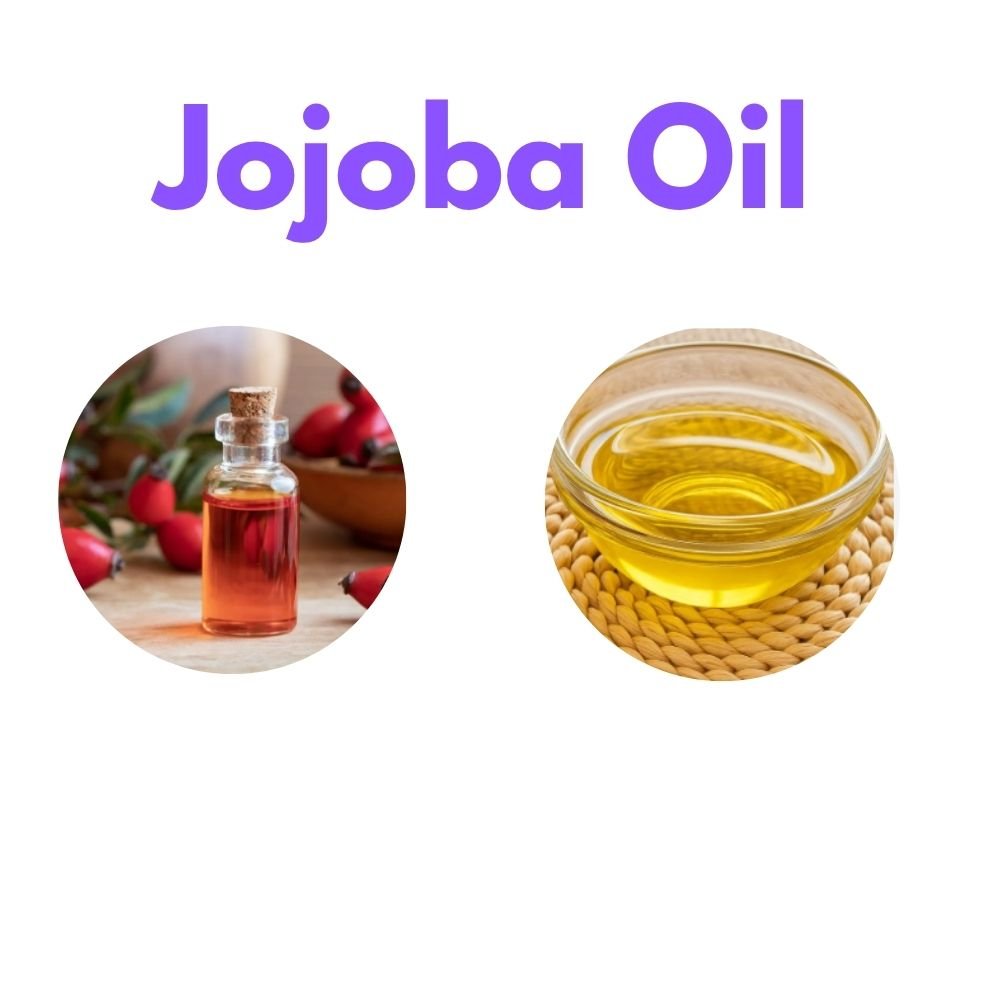
I apply 2-3 drops at night, and my skin feels balanced in the morning. No more oil slick by noon.
2. Grapeseed Oil – The Lightweight Champion
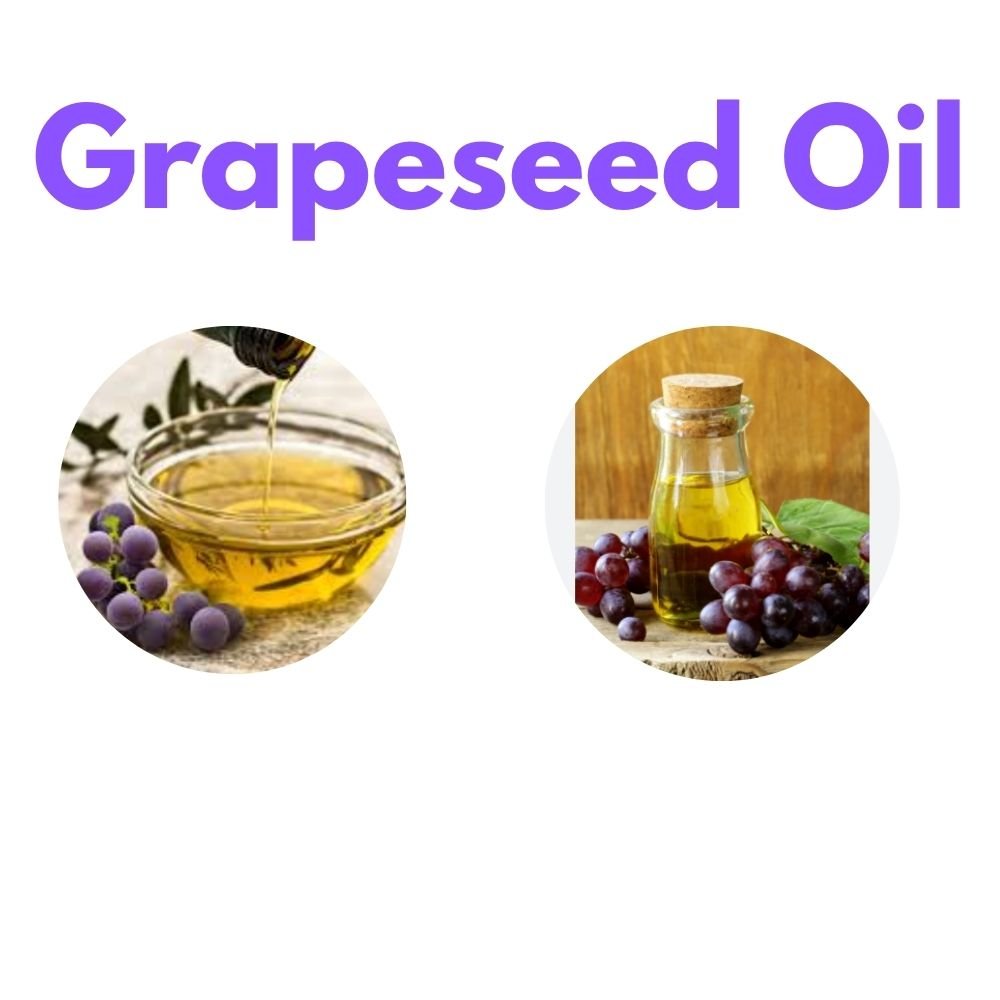
If jojoba feels too heavy for you (though it shouldn’t), try grapeseed oil.
Why it’s amazing:
- Super lightweight texture
- Acts as a natural astringent
- Perfect for really oily skin
- Absorbs almost instantly
What I use: Plum Grape Seed & Sea Buckthorn Glow-Restore Face Oil
3. Rosehip Oil – The Scar Fighter
Okay, this one isn’t just for controlling oil. It’s my secret weapon for dealing with acne scars.
Why I keep coming back:
- Rich in vitamins A and C
- Helps fade dark spots over time
- Supports skin healing
- Non-comedogenic (won’t clog pores)
What I use: Juicy Chemistry Cold Pressed Rosehip Oil
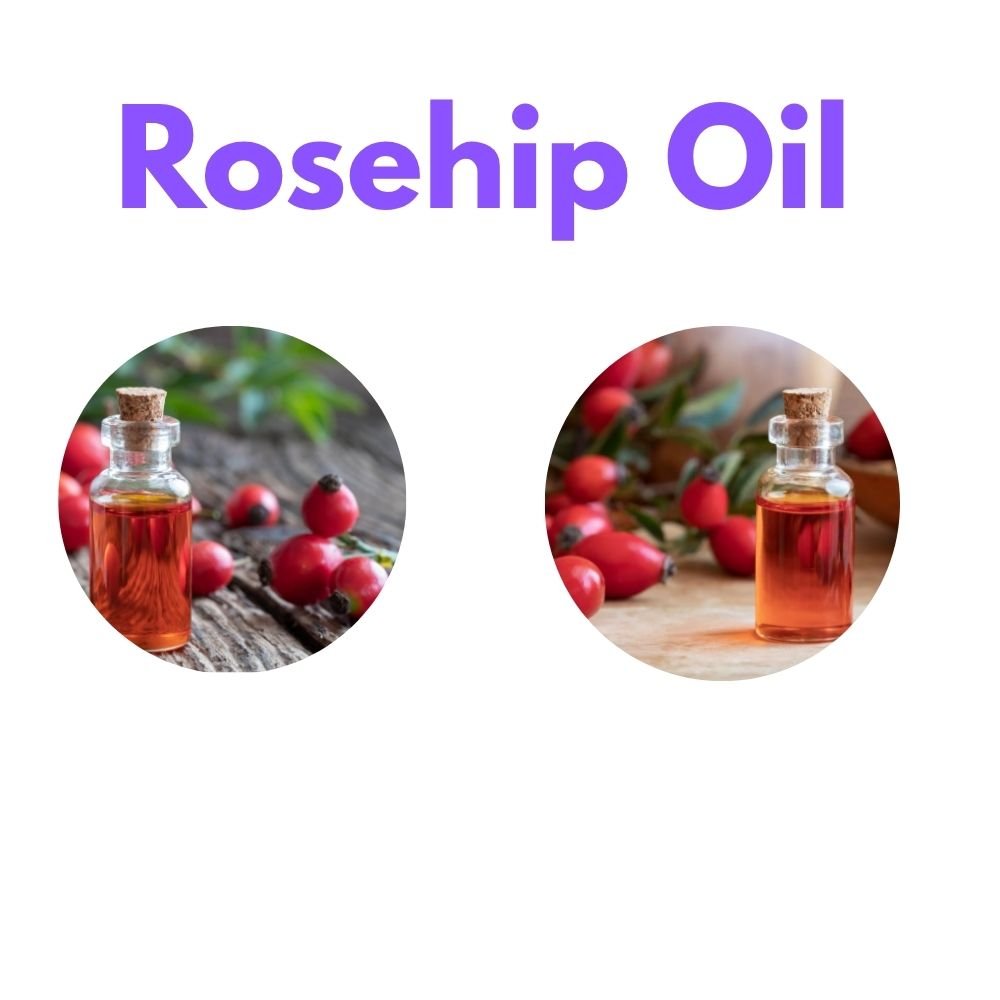
I’ve been using this for three months, and my old acne marks are definitely fading. It takes time, but it works.
4. Squalane Oil – The Sensitive Skin Savior
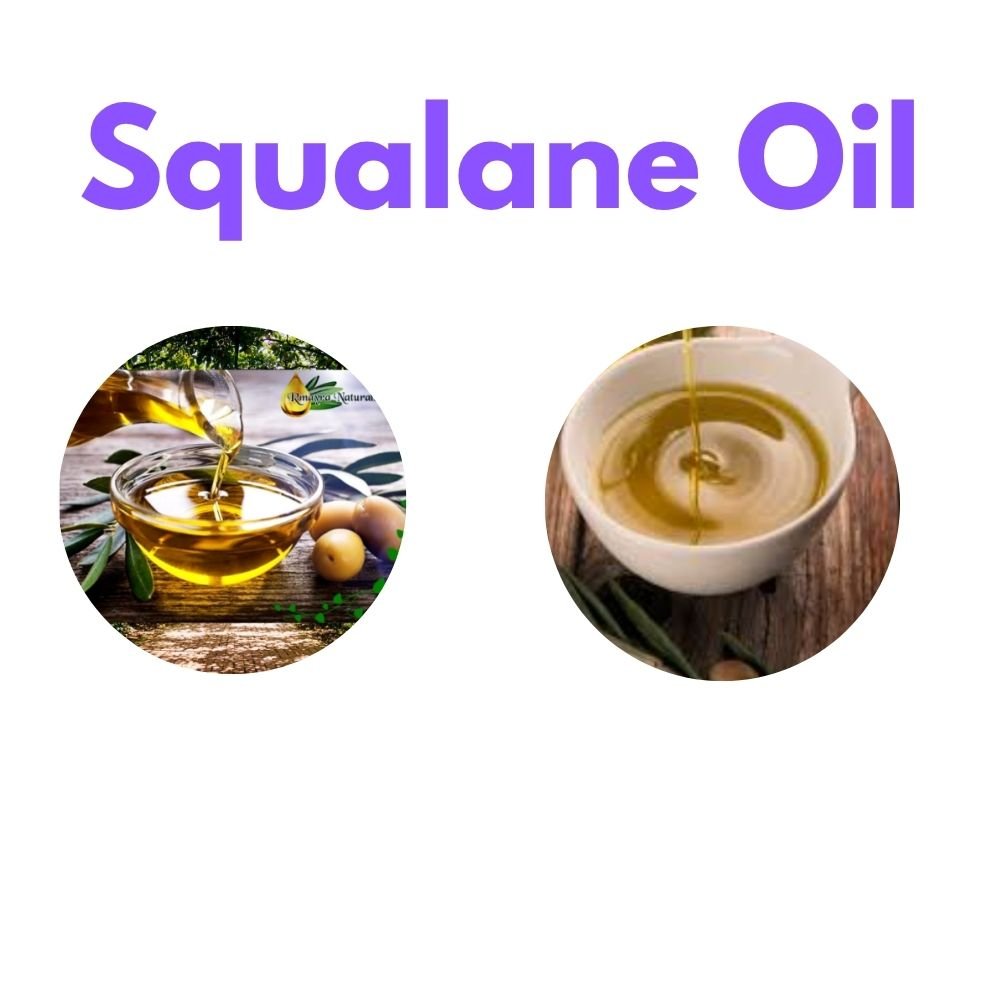
When my skin is irritated or extra sensitive, this is what I reach for.
Why it’s gentle:
- Extremely lightweight
- Zero greasy feel
- Mimics our skin’s natural oils
- Perfect for sensitive, acne-prone skin
What I use: Minimalist 100% Squalane Facial Oil
This stuff is like water but somehow still moisturizing. It’s almost magical.
5. Tea Tree Oil – My Personal Favorite
I have to tell you about this one because it’s been a game-changer for me.
Why tea tree oil is my go-to:
- Has antimicrobial properties that kill acne bacteria
- Helps prevent breakouts before they start
- Balances excess sebum production
- Perfect for someone like me who’s outdoors a lot
- How Does Tea Tree Oil Help the Skin?
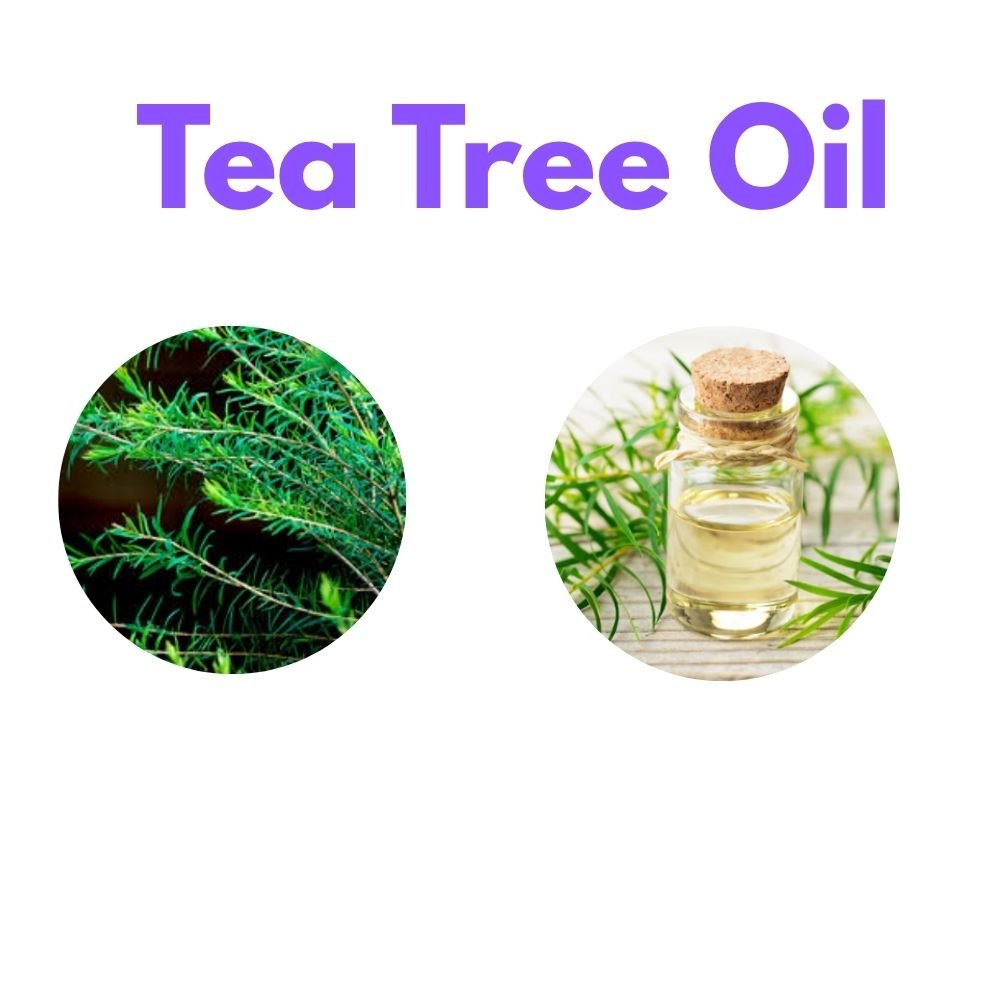
I’m outside most of the time, so dust and pollution accumulate on my skin constantly. This causes breakouts like crazy.
Tea tree oil helps keep those acne-causing bacteria under control. It also regulates my sebum production, which was out of control before.
Important: Tea tree oil is potent! Never use it undiluted. Always mix it with a carrier oil or get a pre-diluted version.
What I use: The Body Shop Tea Tree Oil (it’s pre-diluted and safe)
I use this as a spot treatment when I feel a breakout coming. Works like a charm.
6. Tamanu Oil – The Healing Oil
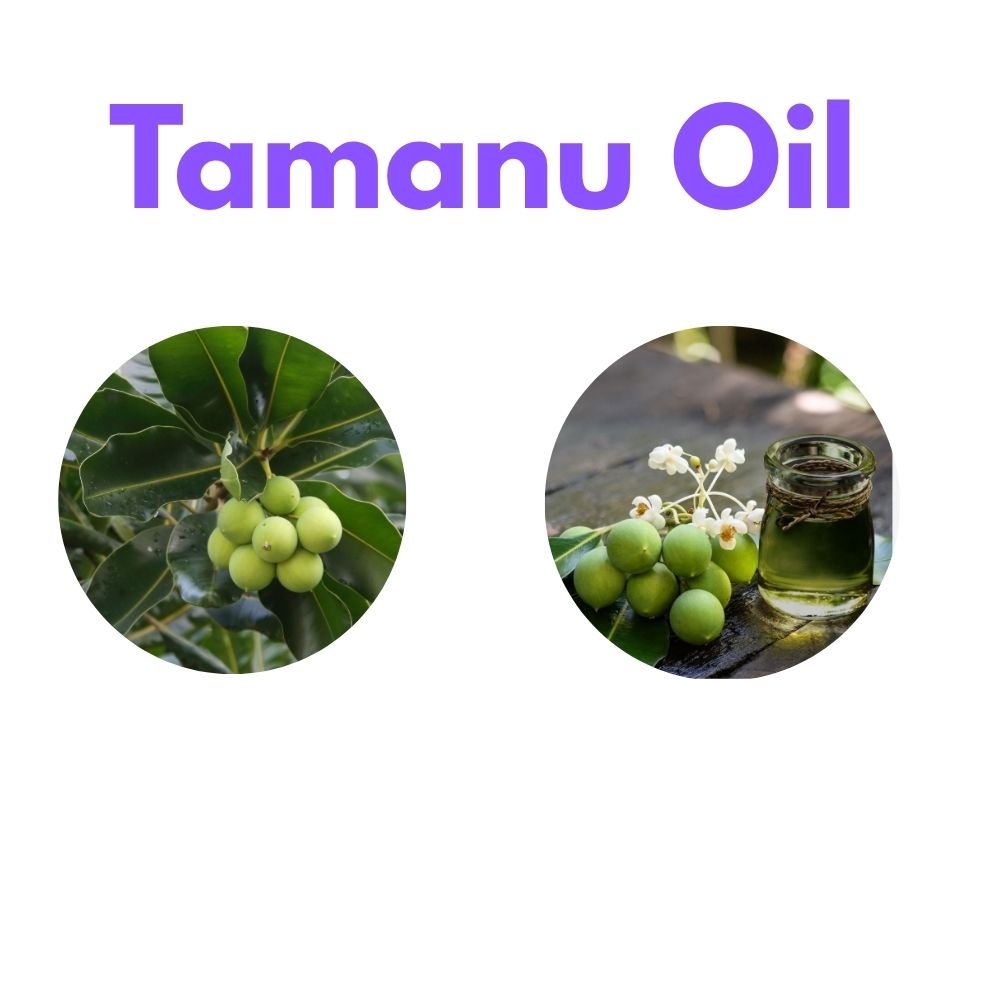
This one is less common, but it’s been incredible for inflammation and healing.
What it does:
- Has anti-inflammatory properties
- Helps with hyperpigmentation
- Supports skin healing
- Great for post-acne marks
What I use: Vaunt Tamanu + Cranberry Seed Face Oil
The smell takes some getting used to (it’s quite earthy), but the results are worth it.
7. Hemp Seed Oil – The Redness Reducer
If your oily skin also gets red and inflamed, listen up.
Why it’s special:
- High in linoleic acid (great for acne-prone skin)
- Soothes redness and inflammation
- Lightweight feel
- Doesn’t trigger breakouts
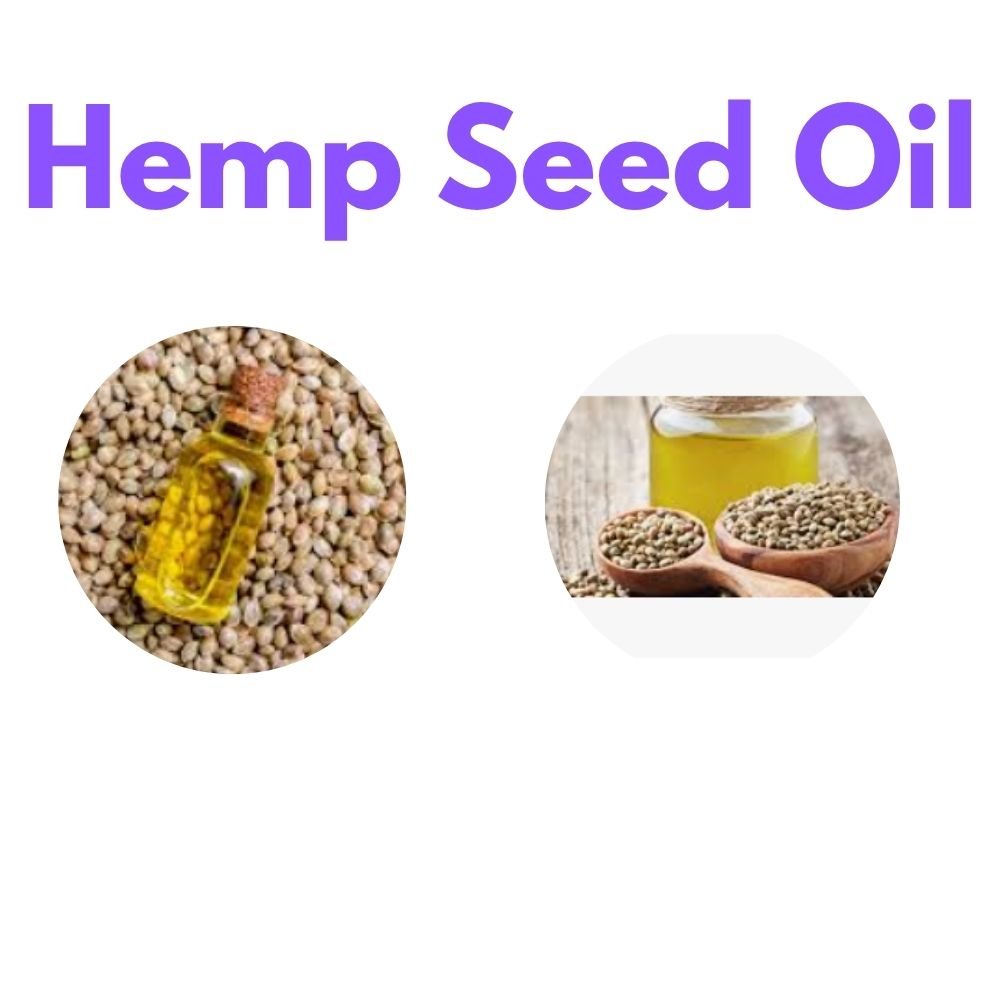
You can find this at specialized Ayurvedic brands in India. It’s worth hunting for.
8. Argan Oil – The All-Rounder
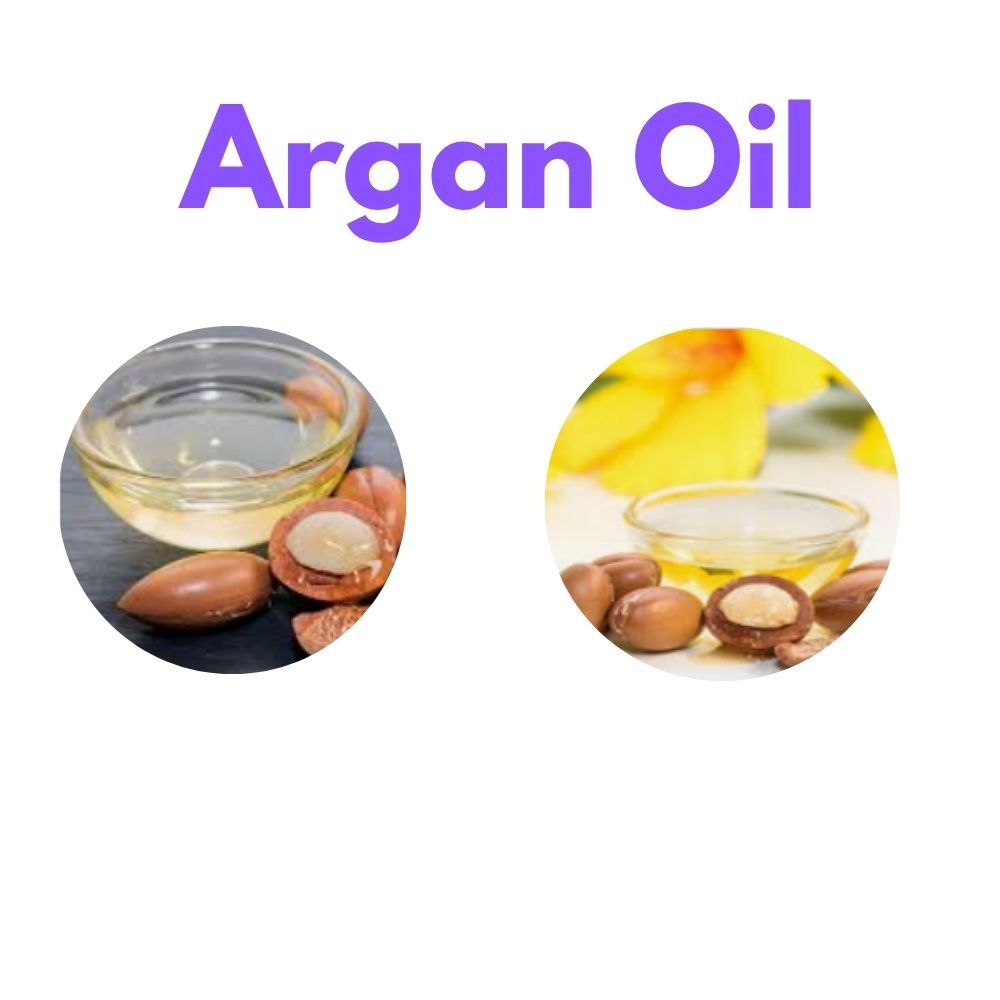
The benefits:
- Non-comedogenic
- Rich in antioxidants
- Works for combination skin too
- Doesn’t feel greasy
What I use: House of Beauty Kumkumadi Telum
This is especially good if you have combination skin like me oily T-zone but normal everywhere.
How I Choose the Best Face Oil for Oily Skin
Over time, I’ve developed some rules for picking oils. Let me share what works for me.
Check the Comedogenic Rating
This is non-negotiable. I only use oils rated 0-2 on the comedogenic scale.
Safe for oily skin (0-2):
- Jojoba
- Grapeseed
- Rosehip
- Squalane
- Hemp seed
Avoid these (3-5):
- Coconut oil (sorry, I know it’s popular)
- Cocoa butter
- Wheat germ oil
Coconut oil broke me out terribly. Learn from my mistake.
Look for Linoleic Acid
Oils high in linoleic acid are usually better for oily, acne-prone skin.
High linoleic acid oils:
- Grapeseed
- Rosehip
- Hemp seed
These help balance your skin’s oil production naturally.
Choose Cold-Pressed and Organic
I always look for:
- Cold-pressed oils (more nutrients preserved)
- Organic when possible
- No synthetic fragrances
- Minimal ingredients
The purer, the better for my sensitive skin.
Always Patch Test First
I learned this the hard way. Always test a new oil on your jawline or inner wrist for 24-48 hours.
Watch for:
- Redness
- Itching
- New breakouts
- Irritation
If you react, don’t use it on your face. Simple as that.
Why Listen to me

written by sahil sheikh with 2 years of experience in men skin care I love to share the tips and information about men skin care. I have tried multiple skin care products and home remedies
I have been recommending skin care products and home remedies to my friends and sibling and most the products worked very well foe them
This post was shared on reddit and got 30 upvotes means 30 people or more than that found this information helpful
I regularly share tips and information on quora , reddit and other social platfroms
How I Use Face Oils in My Routine
This took me a while to figure out, so I’m sharing my exact routine.
My Evening Routine (When I Use Oils)
Step 1: Cleanse I use a gentle, gel-based cleanser to remove the day’s grime and oil.
Step 2: Tone An alcohol-free toner helps balance my skin’s pH.
Step 3: Serum (Optional) Sometimes I use a water-based serum for specific concerns.
Step 4: Moisturizer Yes, I still use moisturizer! A lightweight, gel-based one.
Step 5: Face Oil This is where the magic happens. I use 2-3 drops (seriously, that’s all you need).
I warm the oil between my palms and gently press it into my skin. No rubbing, just pressing.
Step 6: Morning Sunscreen If I’m using oils during the day, I always follow with SPF 30 or higher.
How Much Oil Should You Use?
This is crucial less is more.
My rule:
- 2-3 drops for entire face
- 1 drop for spot treatment
- Never more than 4-5 drops
Using too much will leave you greasy and might clog your pores. Trust me on this.
Common Mistakes I Made (So You Don’t Have To)
Let me save you some trouble by sharing my failures.
Mistake #1: Using Oil Instead of Moisturizer
I thought I could skip moisturizer and just use oil. Wrong.
The truth:
- Oils seal in moisture (occlusive)
- Moisturizers provide hydration (humectants)
- You need both for balanced skin
Now I always layer: moisturizer first, then oil to lock it in.
Mistake #2: Trying Coconut Oil
Everyone raves about coconut oil. It broke me out so badly.
Coconut oil has a comedogenic rating of 4. It’s great for your body, but not for oily, acne-prone faces.
Mistake #3: Using Too Much Product
More isn’t better with face oils. I learned this after waking up with clogged pores.
Stick to 2-3 drops. Your skin will absorb what it needs.
Mistake #4: Not Patch Testing
I once put a new oil all over my face without testing it first. My skin freaked out.
Now I always patch test for at least 24 hours. It’s worth the wait.
Mistake #5: Expecting Instant Results
Face oils aren’t magic. It took me about 3-4 weeks to see real changes.
Give it time. Your skin needs to adjust.
Oil vs. Moisturizer: What’s the Difference?
I was confused about this for the longest time.
Moisturizers
What they do:
- Add water to your skin
- Contain humectants (attract moisture)
- Hydrate from within
- Best moisturizer for oily skin
Think: Water going into your skin cells.
Face Oils
What they do:
- Seal in existing moisture
- Contain occlusives (prevent water loss)
- Create a protective barrier
Think: A lid on a pot, keeping everything inside.
Why You Need Both
Moisturizer gives your skin water. Oil keeps that water from escaping.
It’s like filling a bucket (moisturizer) and putting a lid on it (oil).
When to Use Face Oils
Here’s my schedule that works perfectly.
Nighttime (Preferred)
I mainly use face oils at night because:
- Skin repairs itself while sleeping
- No sunscreen needed after
- More time for absorption
- No worry about looking shiny
Daytime (Sometimes)
If I use oil during the day:
- I use even less (1-2 drops)
- Always follow with sunscreen
- Choose lighter oils (squalane or grapeseed)
- Apply 15 minutes before sunscreen
As Needed
Sometimes I use oils as:
- Overnight intensive treatment
- Mixed with my moisturizer
- Spot treatment for dry patches
Signs a Face Oil Isn’t Working for You
Listen to your skin. Here’s when to stop using an oil.
Stop if you notice:
- Increased breakouts after 2 weeks
- Skin feeling congested
- New clogged pores
- Excessive greasiness
- Irritation or redness
- Itching or burning
Your skin is telling you something. Pay attention.
My Current Rotation
I don’t use the same oil every day. Here’s my weekly rotation:
Monday-Tuesday: Jojoba oil (balancing)
Wednesday-Thursday: Rosehip oil (scar treatment)
Friday: Grapeseed oil (lightweight)
Saturday: Tea tree oil blend (deep treatment)
Sunday: Squalane oil (gentle recovery)
This keeps my skin from getting too used to one product.
Tips for Success with Face Oils
These are the things that made the biggest difference for me.
Start Slow
Don’t use oil every day at first. Try 2-3 times a week and build up.
Use on Damp Skin
I apply oil when my skin is slightly damp from moisturizer. It seals everything in better.
Warm It Up
Rub the oil between your palms to warm it up. It absorbs better this way.
Press, Don’t Rub
I gently press the oil into my skin. No harsh rubbing or pulling.
Give It Time
Wait at least 4 weeks before deciding if an oil works for you.
Keep Everything Clean
Make sure your hands and dropper are clean. Bacteria in your oil bottle is bad news.
Budget-Friendly Options
You don’t need to spend a fortune on face oils.
Affordable choices:
- Pure jojoba oil (₹300-500 for 30ml)
- Grapeseed oil (₹200-400 for 30ml)
- Local Ayurvedic oils (₹150-300)
Investment pieces:
- Rosehip oil (₹800-1200 for 30ml)
- Squalane oil (₹600-1000 for 30ml)
- Premium blends (₹1000+)
I mix affordable and investment oils based on what my skin needs.
Seasonal Adjustments
My oil usage changes with the weather.
Summer (Hot and Humid)
- Use lighter oils (grapeseed, squalane)
- Apply only at night
- Use less product (1-2 drops)
- Focus on T-zone control
Winter (Dry and Cool)
- Can use richer oils (rosehip, argan)
- Use morning and night
- Slightly more product (3-4 drops)
- Extra attention to dry patches
Monsoon (Humid and Sticky)
- Minimal oil use
- Only when skin feels tight
- Lightest options only
- Skip if skin is very oily
Combining Oils for Best Results
Sometimes I mix oils for better benefits.
My favorite combinations:
For acne scars: Rosehip + tea tree (1 drop each)
For balanced hydration: Jojoba + squalane (2 drops each)
For inflammation: Hemp seed + tamanu (1-2 drops each)
Never mix more than 2-3 oils at once. Keep it simple.
What About Oil Cleansing?
This is different from using face oil as treatment.
My oil cleansing experience:
I tried the oil cleansing method (using oil to remove makeup and cleanse). It didn’t work for my oily skin.
I felt like it left too much residue. I prefer a proper cleanser followed by treatment oil.
But some people with oily skin love it. Your mileage may vary.
The Best Time to Start Using Face Oils
There’s no perfect time, but here’s what I recommend.
Good times to start:
- When your current routine isn’t working
- After you’ve got basic skincare down (cleanser, moisturizer, sunscreen)
- When you’re dealing with dehydrated oily skin
- If you have acne scars or hyperpigmentation
Maybe wait if:
- You’re currently having severe breakouts
- Your skin is very inflamed
- You’re starting other new products
- You haven’t established a basic routine
Get the basics right first, then add oils.
Real Talk: My Results Timeline
Let me be honest about how long things took for me.
Week 1: Skin felt softer, but no visible changes. Still adjusting.
Week 2: Less oily during the day. This was encouraging!
Week 3-4: Skin texture improving. Fewer new breakouts.
Week 6-8: Noticeable glow. Old acne marks starting to fade.
3 Months: Significant improvement in overall skin balance. Fewer breakouts, better texture, visible fading of scars.
6 Months: Skin is completely transformed. Oil production balanced, minimal breakouts, scars much lighter.
It’s a journey, not a race.
Questions I Get Asked All the Time
Let me answer the most common questions people ask me.
Won’t oil make my oily skin worse?
Not if you choose the right oil. The best face oil for oily skin actually helps balance your sebum production.
Can I use face oil if I have active acne?
I do, but carefully. I avoid active breakouts and focus on areas that need healing. Tea tree oil works great as spot treatment.
“Do I need expensive oils?”
No! Some of my favorites are affordable. Pure jojoba or grapeseed oil works just as well as fancy blends.
“Can I skip moisturizer if I use oil?”
Absolutely not. Oil and moisturizer do different jobs. Use both.
“How long before I see results?”
Give it at least 4 weeks. Some benefits (like softness) come quickly. Others (like scar fading) take months.
Updated on : April 3,2026 Written by : sahil sheikh
My Final Thoughts
Finding the best face oil for oily skin changed my entire skincare game.
I went from constantly blotting and battling breakouts to having balanced, healthy-looking skin.
But here’s the thing what worked for me might not work exactly the same for you.
Your skin is unique. Your environment is different. Your lifestyle matters.
My advice:
- Start with one lightweight oil (jojoba or grapeseed)
- Patch test everything
- Use sparingly (2-3 drops)
- Be patient and consistent
- Listen to your skin
And please, if you have severe acne or skin concerns, see a dermatologist. They can give you personalized advice that I can’t.
Share Your Experience
Have you tried using face oils on your oily skin? I’d love to hear about your experience!
Drop a comment below and tell me:
- Which oil worked for you
- How long it took to see results
- Any tips you discovered
Remember share your personal story, not advice for others. We’re all learning together.