A jacket is one of the easiest ways to take a basic outfit and make it look noticeably more intentional. A plain T-shirt and jeans is fine on its own, but add the right jacket, and suddenly the same outfit looks like you actually put thought into it. That’s really the appeal of this category it does a lot of visual work for relatively little effort.
One thing I’d point out before getting into specifics is that “jackets for men” covers a wide range of styles, weights, and purposes. A lightweight jacket that works great in October won’t do much for you in January, and a heavy winter coat is overkill for a mild spring evening. This guide walks through the main casual jacket styles worth knowing, how to choose based on climate and fit, and what to check before buying — plus a section below where you can compare specific options.
This post contains affiliate links. If you purchase through them, I may earn a small commission at no extra cost to you. I only recommend products I believe are genuinely worth considering
Why a Jacket Changes an Outfit More Than People Expect
A jacket does more than just add warmth. It adds structure, layers, and visual interest to an outfit that might otherwise be pretty simple.
- A basic T-shirt-and-jeans combination looks noticeably more put-together with the right jacket layered on top
- Jackets add shape and structure to outfits that would otherwise be fairly flat
- The right jacket can shift an outfit’s whole feel, from relaxed to slightly more polished, without changing anything else
Because jackets are visually prominent and worn over everything else, fit and color matter here more than in almost any other category.
Main Types of Casual Jackets Worth Knowing
Denim Jackets
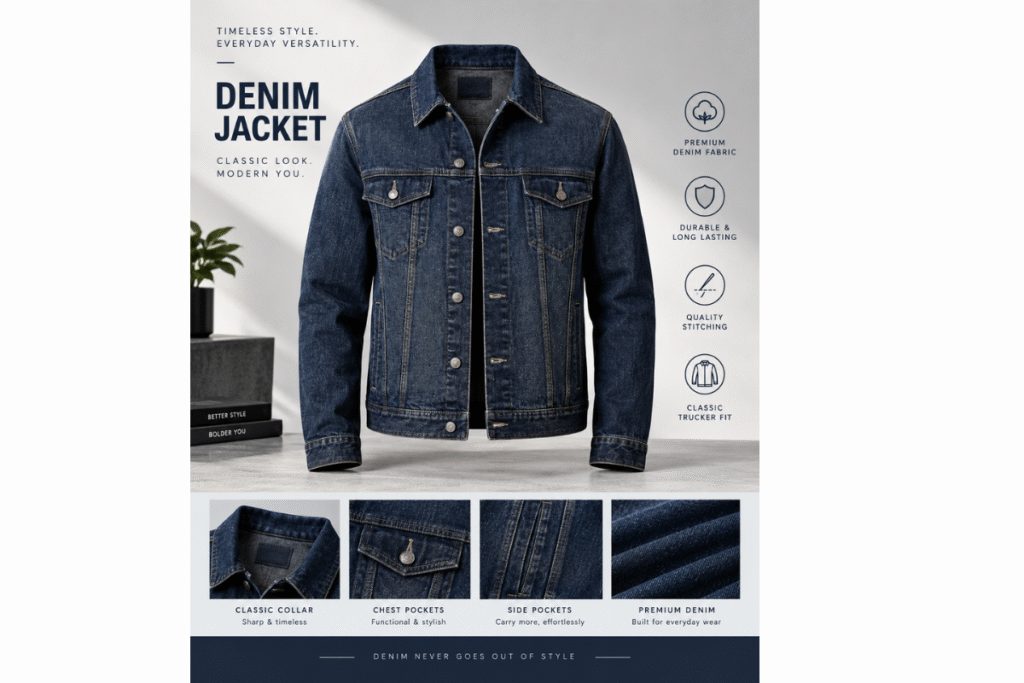
A genuine classic, and one of the most versatile jackets a guy can own.
- Pairs well with nearly everything except other denim pieces
- Works across multiple seasons as a light layer
- Ages well over time, often looking better slightly worn in than brand new
Bomber Jackets
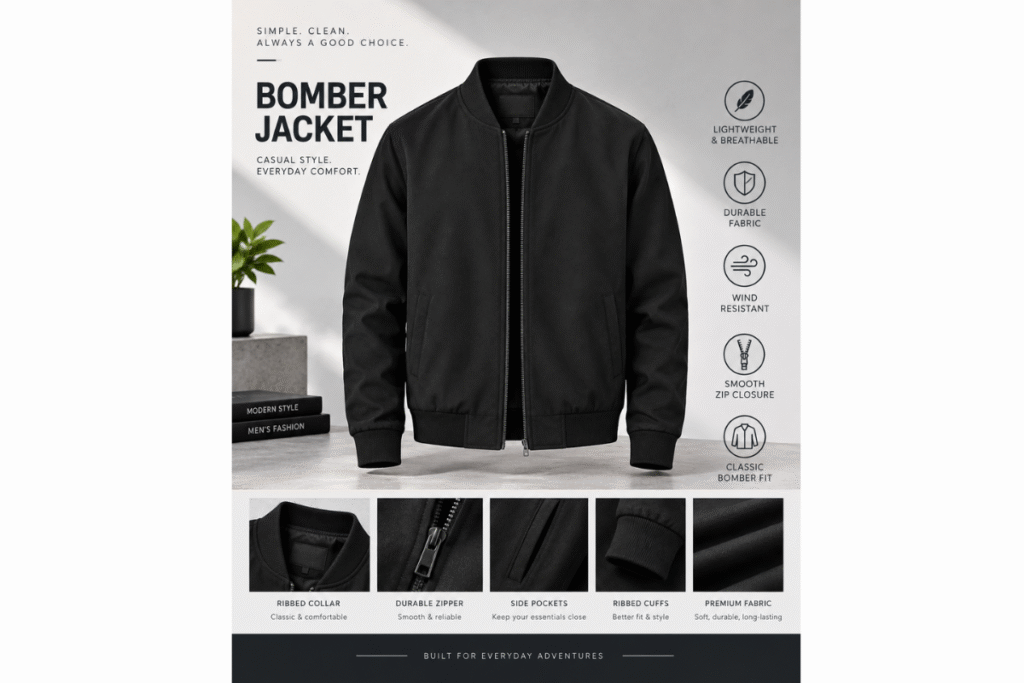
Casual with a slightly sporty edge, bombers work well in cooler but not freezing conditions.
- Fitted waistband and cuffs give it a cleaner silhouette than looser jacket styles
- Pairs naturally with jeans and sneakers
- Available in both lightweight and insulated versions, depending on the season
Harrington-Style Jackets
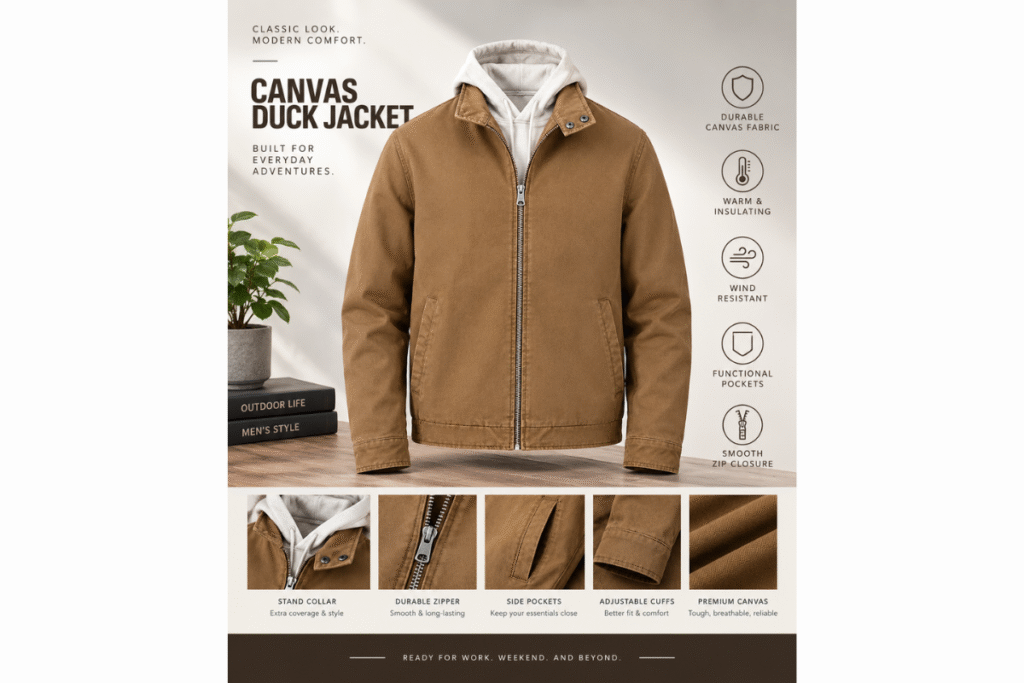
A clean-lined, lightweight jacket that’s become a reliable transitional-weather staple.
- Works well in spring and fall when a heavier coat isn’t necessary
- Simple, understated design that pairs easily with most casual outfits
- A good option if you want something polished without looking overly formal
Field Jackets
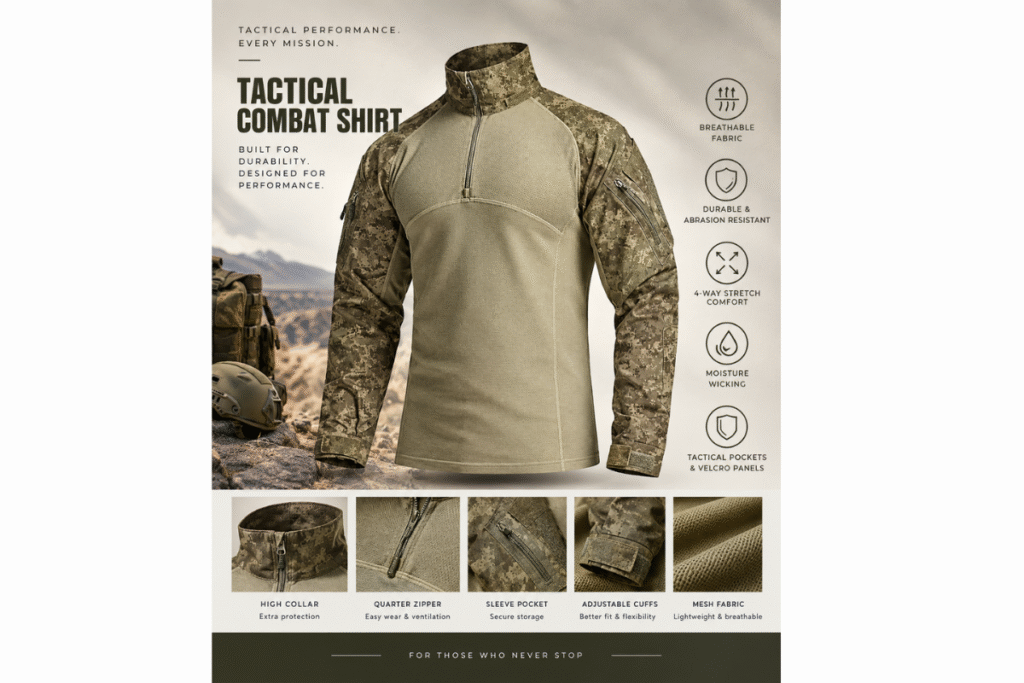
More rugged and utility-inspired, field jackets bring a slightly more rugged, functional look.
- Often includes multiple pockets, giving it a practical edge
- Works well with jeans and boots for a more rugged casual look
- Typically a bit heavier, suited to cooler weather
Lightweight Utility Jackets
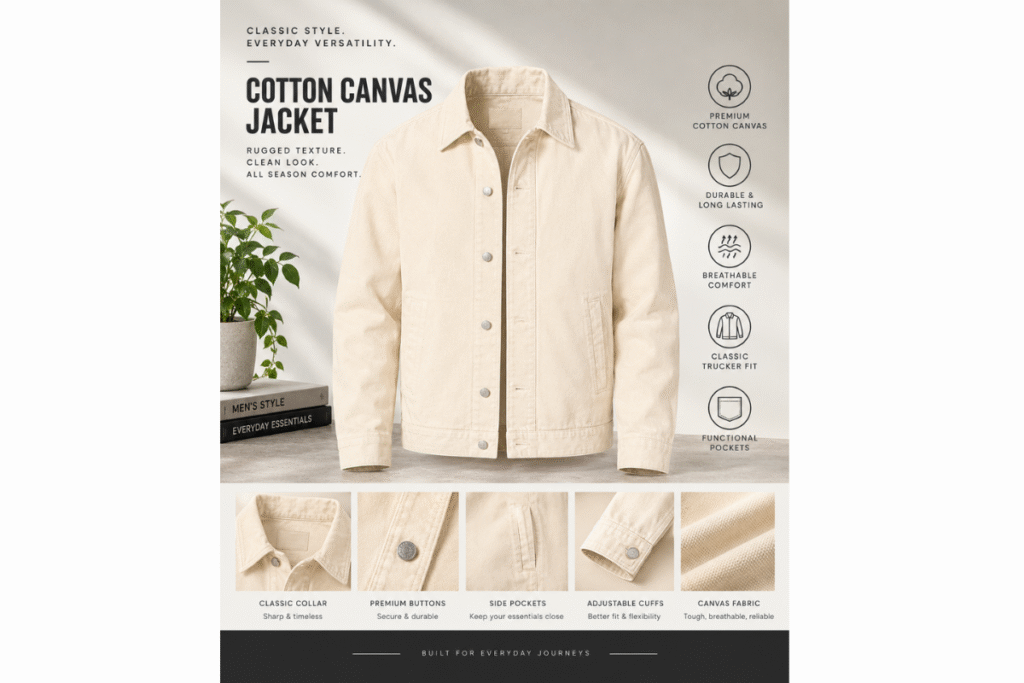
Practical, functional layers designed for mild weather rather than serious cold.
- Good for transitional seasons or cool summer evenings
- Often more minimal in design than field jackets, with fewer bulky details
- Works well layered over a T-shirt without adding much bulk
Casual Overshirts
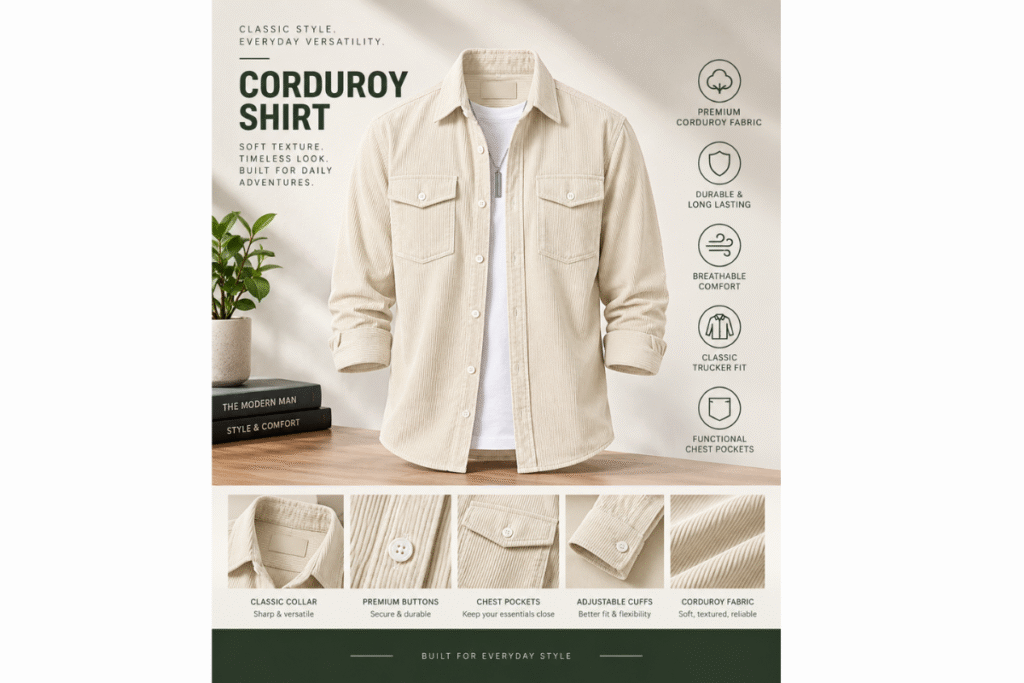
As mentioned in the shirts guide, overshirts sit somewhere between a shirt and a light jacket.
- A good option for guys who want some structure without a full jacket’s weight
- Works well in weather too mild for a proper jacket but too cool for just a T-shirt
- Pairs naturally with jeans and chinos alike
Seasonal Outerwear
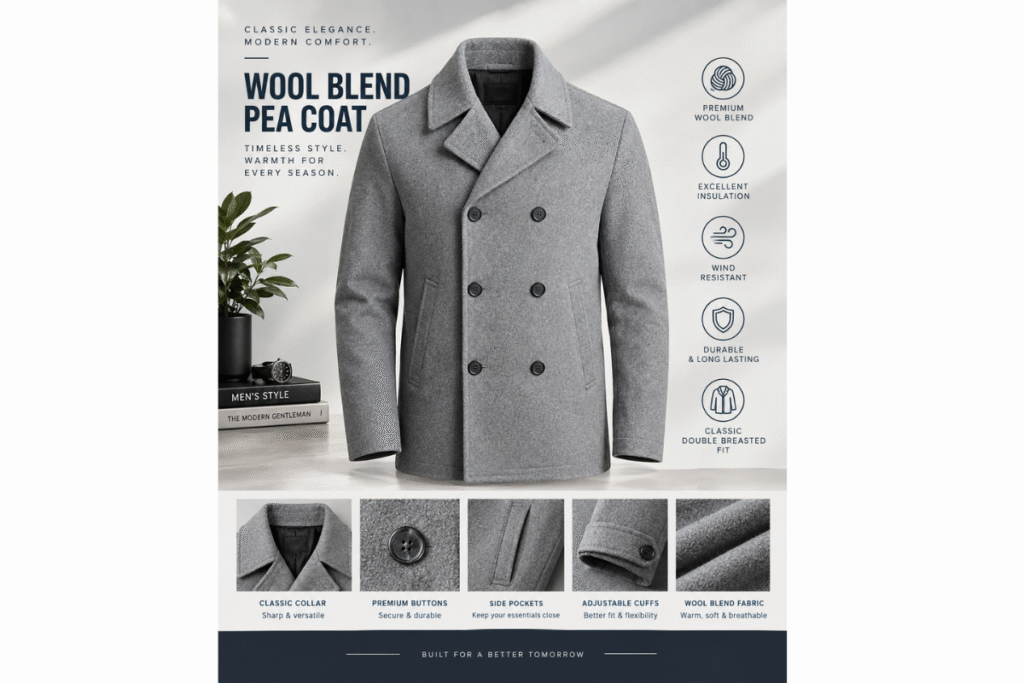
For genuinely cold climates, heavier coats become a necessity rather than a style choice.
- Insulated parkas or heavier wool coats are worth prioritizing if you live somewhere with serious winters
- Less relevant if you’re in a warmer climate, where even your “winter” jacket needs might stay fairly light
How to Choose a Jacket Based on Climate and Season
This is probably the most important factor, and one that depends entirely on where you actually live.
- Climate — a guy in Minnesota has very different outerwear needs than a guy in Arizona; what counts as a “winter jacket” varies enormously across the U.S.
- Season — lightweight jackets (denim, Harrington, utility) work well for spring and fall; heavier options (field jackets, insulated bombers, parkas) suit winter
- Layering — make sure a jacket fits comfortably over a T-shirt or light sweater without feeling restrictive through the shoulders and arms
- Versatility year-round — a mid-weight jacket like a denim or Harrington style often gets more use across the year than a jacket suited to only one specific season
Fit and Color Considerations
- Fit — should sit cleanly through the shoulders without pulling or excess bunching; too tight restricts layering, too loose looks shapeless
- Color — neutral tones (black, navy, olive, tan, denim blue) are the easiest to build multiple outfits around
- Versatility — a jacket that only pairs with one specific outfit isn’t earning its closet space; look for pieces that work with both jeans and chinos
How a Jacket Transforms a Basic Outfit
Take a plain T-shirt and jeans. On its own, that’s a fine, simple outfit. Layer a denim jacket over it, and it reads as more deliberate. Swap in a field jacket instead, and the same base outfit leans more rugged and outdoorsy. Try a Harrington jacket, and it shifts toward clean and slightly polished. The base pieces haven’t changed at all — the jacket is doing virtually all the work in shifting the outfit’s overall feel.
Common Mistakes When Buying Casual Jackets
- Buying a jacket that doesn’t match your actual climate, leaving it unworn most of the year
- Choosing a size too small to comfortably layer underneath
- Ignoring color versatility and ending up with a jacket that only pairs with one or two outfits
- Prioritizing trend-driven styles over genuinely versatile, timeless options
- Skipping fit checks through the shoulders, which is where jackets most commonly look off
What to Check Before Buying
- Fabric and insulation — matters significantly depending on your climate and how the jacket will actually be used
- Fit notes — reviews mentioning “runs small,” “true to size,” or “boxy fit” are often more useful than the general star rating
- Versatility — consider how many existing outfits in your wardrobe the jacket could realistically pair with
- Care instructions — some fabrics (like suede or certain technical materials) require more specific care than basic cotton or denim
- Return policy — especially important since jacket fit, particularly through the shoulders, is hard to judge without trying it on
check out the full detailed guide about Men’s Casual Fashion Guide: Best Wardrobe Essentials for Men
Frequently Asked Questions
How many casual jackets does a man actually need?
There’s no fixed number, but two jackets covering different seasons — a lightweight option for spring/fall and a heavier one for winter — covers most climates reasonably well.
What’s the most versatile casual jacket to start with?
A denim jacket or a simple Harrington-style jacket tends to offer the most versatility across different outfits and mild-to-cool weather.
Should a jacket fit tight or loose?
Neither extreme. It should sit cleanly through the shoulders with enough room to layer a T-shirt or light sweater underneath, without looking baggy or restrictive.
The Bottom Line
A solid jacket collection doesn’t need to be extensive one or two versatile pieces suited to your actual climate will do more for your casual wardrobe than a closet full of jackets you rarely reach for. Prioritize fit through the shoulders and color versatility over trend-driven styles, and remember that jackets for men are one of the most effective ways to elevate a simple outfit without much extra effort.