When I think about the most underrated piece in a men’s casual wardrobe, casual shirts are near the top of the list. A T-shirt is easy. Jeans are easy. But a good casual shirt is the piece that quietly upgrades almost every outfit it touches, whether you’re wearing it buttoned up on its own or layered open over a tee.
One thing I’d point out before going further is that “Casual Shirts for Men” isn’t one single thing. It covers a pretty wide range lightweight linen for summer, heavier flannel for winter, structured Oxfords that work almost anywhere. If you’re building or refining your casual wardrobe, understanding the differences between these styles actually matters more than just grabbing whatever’s on the mannequin at the store.
This guide walks through the main types of casual shirts worth knowing, how to judge fit and fabric, how to style them, and what to actually check before buying plus a section below where you can compare specific options.
What Makes a Shirt “Casual” in the First Place?
Before getting into specific styles, I think it’s worth drawing a clear line between a casual shirt and a dress shirt, since the two get confused more than you’d expect.
- Casual shirts tend to use heavier, more textured fabrics (flannel, chambray, heavier cotton) compared to the crisp, lightweight poplin of a dress shirt
- They’re designed to be worn untucked as often as tucked in
- They typically have a more relaxed collar, sometimes without the stiff interfacing found in dress shirts
- They’re meant to pair naturally with jeans and sneakers, not just dress pants and oxfords (the shoe, not the shirt)
None of this means casual shirts are lower quality it just means they’re built for a different kind of versatility.
This post contains affiliate links. If you purchase through them, I may earn a small commission at no extra cost to you. I only recommend products I believe are genuinely worth considering
Main Types of Casual Shirts Worth Knowing
Oxford Shirts
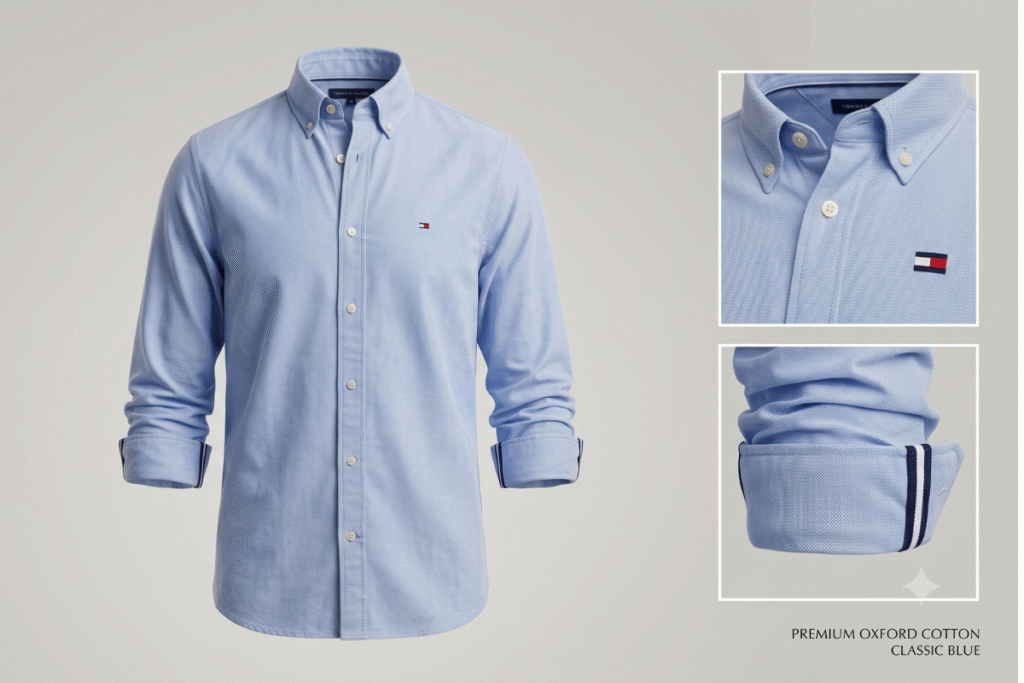
If I were recommending one single shirt style to start with, it would probably be this one. Oxford shirts use a slightly textured, durable weave that holds up well to repeated wear and washing.
- Versatile enough to wear buttoned up with jeans, or layered open over a T-shirt
- Available in both button-down collar (more casual) and standard collar versions
- Neutral colors (white, light blue, gray) are the most versatile starting points
Casual Button-Downs
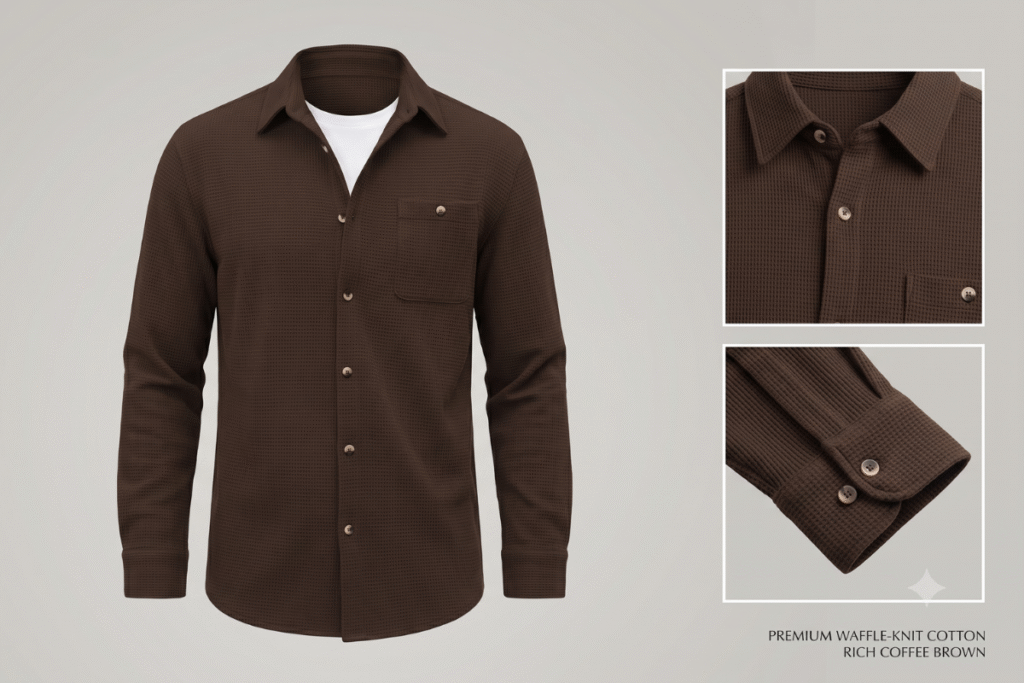
A step lighter than an Oxford, these work well in warmer weather or when you want a slightly more relaxed look without sacrificing a put-together appearance.
- Usually made from lighter cotton or a cotton blend
- Works well with shorts in warm weather, not just pants
- A good option for casual dates or coffee shop outings where a T-shirt feels too relaxed
Linen Shirts
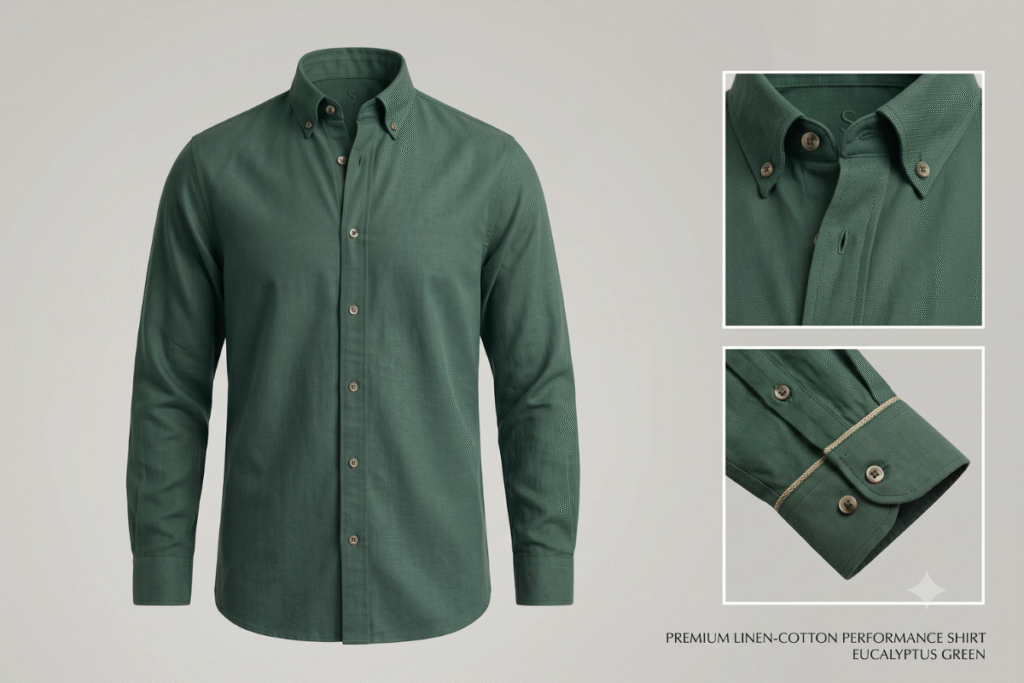
Linen is genuinely one of the best fabric choices for hot, humid summers, though it comes with a tradeoff.
- Extremely breathable, ideal for warm climates
- Wrinkles easily, which is part of the fabric’s natural character rather than a flaw
- Works well rolled at the sleeves, worn open over a tee, or buttoned for a relaxed summer look
Flannel Shirts
The go-to for cooler months, flannel brings texture and warmth without the bulk of a full jacket.
- Soft, brushed cotton that holds warmth well
- Classic plaid patterns pair naturally with jeans and boots
- Works well as a layering piece over a T-shirt, not just on its own
- flannel shirts on amazon
Overshirts
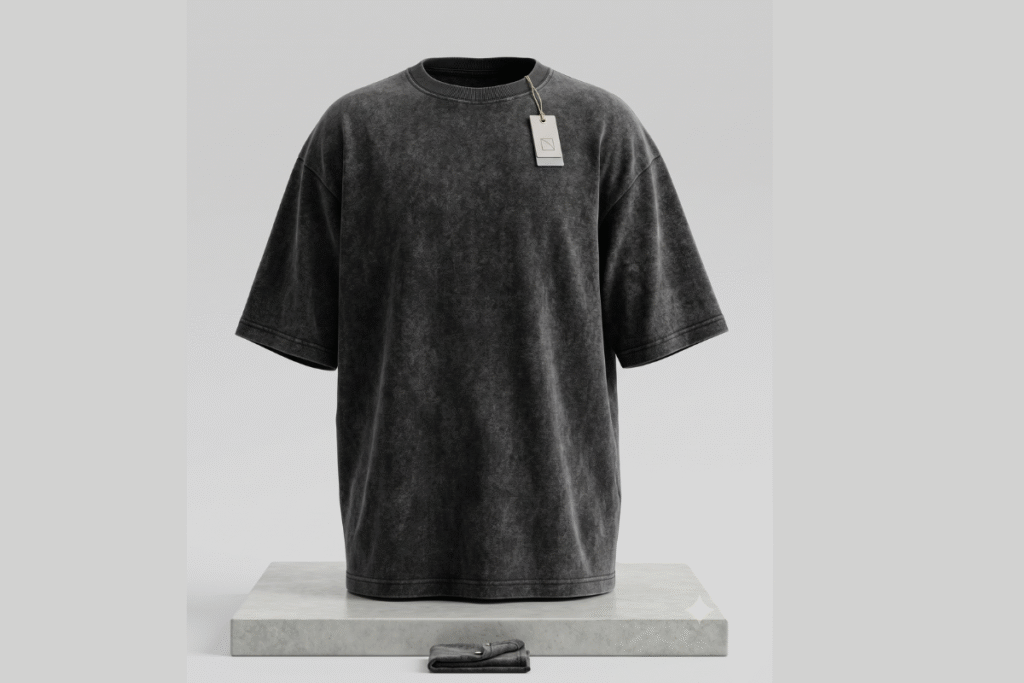
A hybrid between a shirt and a light jacket, overshirts have become a genuinely useful category for guys who want something heavier than a button-down but lighter than a full jacket.
- Typically made from slightly heavier fabric (canvas, denim, heavy twill)
- Worn open over a T-shirt as a light outer layer
- A strong transitional-weather piece for spring and fall
Short-Sleeve Casual Shirts
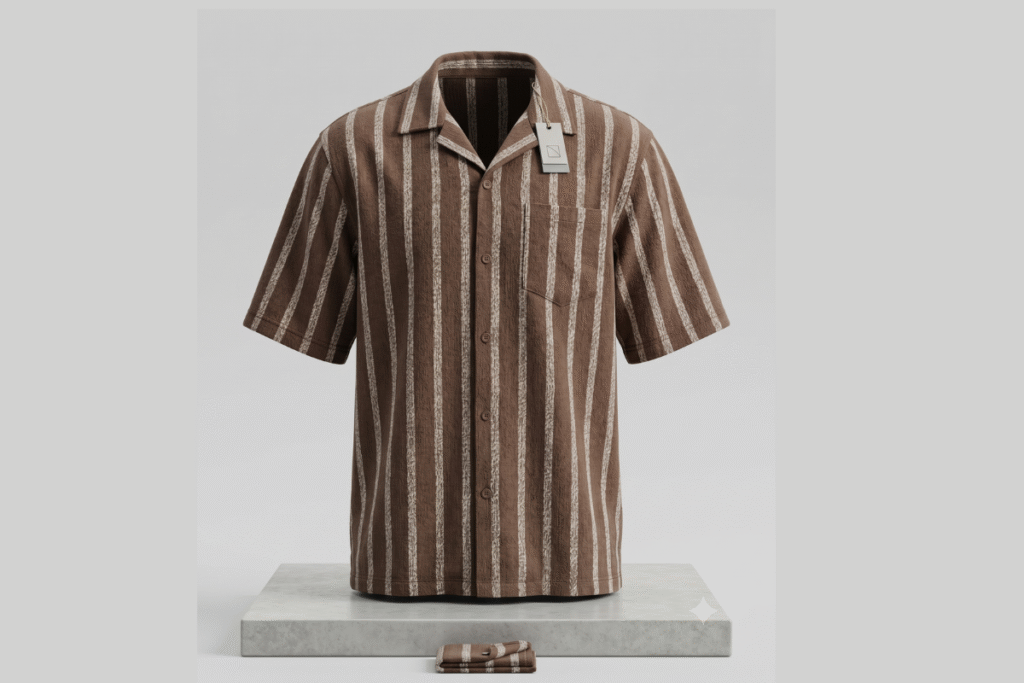
An easy warm-weather staple that’s more put-together than a plain T-shirt without requiring much extra effort.
- Works well for casual summer outings, vacations, or relaxed social settings
- Often available in both solid colors and patterns (think camp collar styles)
- A good middle ground between a T-shirt and a full button-down
What Actually Makes a Casual Shirt Versatile
If I were evaluating any shirt before buying it, these are the factors I’d actually weigh:
- Fit — not so tight that it pulls across the chest and shoulders, not so loose that it loses its shape. A shirt that fits well will always look better than an expensive one that doesn’t.
- Fabric — breathable materials like cotton and linen tend to perform best for everyday wear; heavier fabrics like flannel suit cooler months specifically.
- Color — neutral tones (white, light blue, gray, olive, navy) are the easiest to build multiple outfits around.
- Pattern — subtle patterns like small checks or thin stripes tend to be more versatile than bold, busy prints that compete with other pieces.
- Collar — should sit flat without curling or gaping when buttoned.
- Sleeve length — full-length sleeves should end at the wrist; short sleeves should sit comfortably around the mid-bicep.
- Durability — check fabric weight and stitching quality, especially around the collar and cuffs, since these areas wear out first.
How to Style Casual Shirts
A few combinations that consistently work well:
- Oxford shirt + jeans + sneakers — clean, low-effort, works for almost any casual daytime setting
- Flannel shirt + jeans + boots — a reliable cold-weather combination with texture and warmth
- Linen shirt (unbuttoned) + T-shirt + shorts — an easy warm-weather layered look
- Overshirt + plain T-shirt + jeans — adds structure to an otherwise basic outfit
- Short-sleeve camp shirt + chinos + loafers — leans slightly smart casual, good for casual dates or dinners
The general idea is that a solid-colored or subtly patterned casual shirt should be able to pair with at least two or three different pants and shoe combinations already in your closet. If it can’t, it’s probably not versatile enough to be worth the closet space.
Fabric Considerations by Season
- Spring/Fall — lighter cotton, chambray, or a mid-weight flannel work well for fluctuating temperatures
- Summer — linen or lightweight cotton, breathable and quick to dry
- Winter — heavier flannel or brushed cotton, ideally layered under a jacket or overshirt
Climate matters a lot here. A guy living somewhere with mild winters doesn’t need the same heavyweight flannel rotation as someone dealing with genuinely cold months, so it’s worth building your shirt collection around your actual environment rather than a generic list.
Common Mistakes When Buying Casual Shirts
- Buying based on how a shirt looks on a model rather than checking actual fit measurements
- Choosing busy patterns that are hard to pair with anything else you own
- Ignoring fabric weight, which affects both comfort and how the shirt drapes
- Buying too many shirts in the same color and style instead of a range of versatile options
- Skipping the return policy check when buying fit-sensitive items online
I have everything about men’s casuals fashion about the t shirts , shoes and jackets in detail in the Men’s Casual Fashion Guide: Best Wardrobe Essentials for Men
What to Check Before Buying
Since a lot of shirt shopping now happens online, a few things are worth confirming before you buy:
- The brand’s specific size chart, since sizing varies significantly between retailers
- Fabric composition (100% cotton vs. a blend affects both comfort and durability)
- Customer reviews specifically mentioning fit (“runs small,” “true to size,” “fits slim”)
- Return policy, especially important for fit-sensitive purchases
- Care instructions, since some fabrics (like linen) require more upkeep than others
The Bottom Line
A good casual shirt rotation doesn’t need to be huge a couple of versatile styles across different fabrics and seasons will cover most of what everyday life calls for. Focus on fit and fabric first, keep colors neutral enough to pair with what you already own, and treat pattern and novelty pieces as occasional additions rather than the foundation of your wardrobe.