By someone who spent years fighting shine, breakouts, and the wrong products so you don’t have to.
- Updated on : 23-5-2026
- Written By : sahil sheikh
- facial moisturizer for men
Why Men with Oily Skin Still Need a Moisturizer
Let me address the elephant in the room: if your face is already oily, why would you add more product to it?
Here’s the thing most people get wrong oil is not moisture. Sebum (the oil your skin produces) is a lipid. Moisture is water. These are two completely different things, and your skin needs both. You can have a face that’s dripping with oil and still be severely dehydrated underneath the surface. In fact, this is one of the most common conditions in men and it’s the reason your skin produces so much oil in the first place.
When your skin lacks water-based hydration, it sends a distress signal to your sebaceous glands: produce more oil to compensate. The result is a vicious cycle where dehydration triggers more oil production, which you try to combat by washing more aggressively, which strips even more moisture, which triggers even more oil. You can’t out-wash oily skin. You have to hydrate it properly.
Men’s skin naturally produces more sebum than women’s due to higher testosterone levels. Add larger pore size, more frequent shaving (which disrupts the skin’s surface barrier), and the typical male tendency to use harsh soaps and you’ve got a recipe for chronically oily, irritated, dehydrated skin.
A proper gel moisturizer breaks the cycle by:
- Replenishing water-based hydration so your skin stops overproducing oil
- Restoring the skin barrier damaged by shaving and harsh cleansers
- Keeping pores clear with non-comedogenic, lightweight formulas
- Reducing the midday shine that makes your face look greasy by noon
- Protecting skin from the environmental damage that causes premature aging
The goal isn’t to add moisture on top of oil. The goal is to give your skin what it’s actually missing and a good gel moisturizer does exactly that.
Hydration vs. Moisturizing: Why This Distinction Matters for Oily Skin
Most guys use these words interchangeably, but for oily skin specifically, understanding the difference is critical to choosing the right product.
Hydration means adding water to the skin. Hydrating ingredients called humectants draw water from the environment and from deeper skin layers into the outer surface. The key ones are hyaluronic acid, glycerin, aloe vera, and urea. These are the ingredients oily skin craves. They deliver the water-based moisture your sebaceous glands are screaming for, which is what actually calms excess oil production over time.
Moisturizing means sealing water inside the skin. Moisturizing ingredients called occlusives and emollients form a barrier on the skin’s surface to prevent that water from evaporating. The classic occlusives are petrolatum, shea butter, heavy oils, and waxes. These are what heavy creams are built from and they’re exactly what oily skin doesn’t need. Piling occlusive-heavy products onto already-oily skin is how you end up with clogged pores and breakouts.
For oily skin, you want a moisturizer and hydrator that leans heavily on humectants with only the lightest touch of occlusives or emollients to seal everything in. This is precisely what gel-based moisturizers are designed to do. They’re water-forward, humectant-rich, and use minimal or zero heavy occlusives delivering hydration without the greasy, pore-clogging residue of a cream.
When I talk about gel moisturizers in this guide, I mean products that:
- Are water-based (water listed as the first ingredient)
- Feel light and absorb almost instantly
- Leave no greasy residue or heavy film
- Contain humectants like hyaluronic acid and glycerin as star ingredients
- Use little to no heavy oils, butters, or waxes
That’s your sweet spot for oily skin.
Understanding Why Your Skin Is So Oily
Before you can manage oily skin, it helps to understand why it behaves the way it does. Oily skin isn’t a flaw it’s your skin’s biology doing its job, just a bit too aggressively.
Testosterone and sebum production. Men produce significantly more testosterone than women, and testosterone directly stimulates sebaceous glands to produce more sebum. This is why men statistically have oilier skin it’s hormonal, not hygiene-related.
Genetics. Pore size and sebum production rate are largely genetic. If your dad had oily skin, there’s a good chance you do too. You can manage it effectively, but you’re working with what you were given.
Dehydration. As explained above, a dehydrated skin surface causes compensatory oil production. Many men with “oily” skin are actually cycling between dehydration and over-production and the fix isn’t stripping the oil, it’s hydrating the skin properly.
Harsh skincare products. Bar soaps, alcohol-based toners, and physical scrubs disrupt the skin’s natural pH and strip the lipid barrier. Your skin rebounds by producing more oil. If you’re using anything that leaves your face feeling “squeaky clean,” it’s probably too harsh.
Diet and stress. High glycemic foods (refined carbs, sugar) and elevated stress hormones (cortisol) both increase sebum production. Skincare can only do so much lifestyle factors matter.
Signs your skin is oily:
- Visible shine across the forehead, nose, and chin (T-zone) within 1–2 hours of washing
- Enlarged or visible pores, especially around the nose
- Prone to blackheads, whiteheads, and acne
- Makeup (if you wear it) slides or breaks down during the day
- Skin feels greasy rather than comfortable a few hours after cleansing
What Makes a Gel Moisturizer the Best Choice for Oily Skin
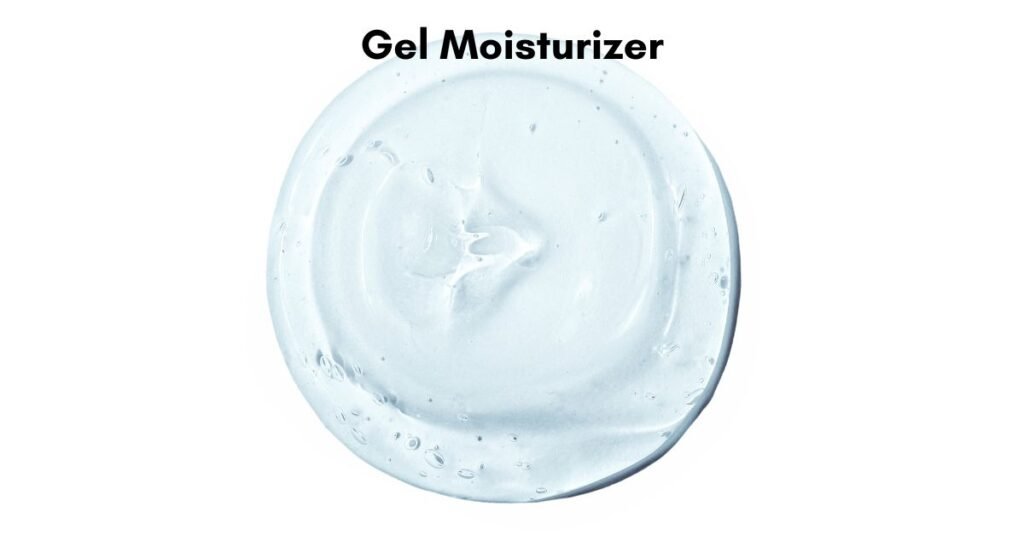
Not all moisturizers are created equal, and texture matters enormously when you have oily skin. Here’s why gel formulas win for your skin type every time.
The Texture Difference
Moisturizers come in a spectrum of textures: balms and ointments (thickest), creams, lotions, gel-creams, gels, and essences (lightest). For oily skin, you want to be on the lighter end gels and gel-creams being the sweet spot.
Gel moisturizers are primarily water-based. They often contain ingredients like carbomer or hydroxyethylcellulose to give them their jelly-like consistency. They absorb rapidly, leave no residue, and feel immediately cooling and refreshing on skin. For oily skin, they provide the hydration you need without anything that could congest pores or add to shine.
Gel-creams are a hybrid mostly water-based but with a small amount of emollient to give a slightly more nourishing feel. These work well for men whose skin is oily overall but has some drier patches (common in cold months or post-shave zones).
Creams and lotions are where oily skin tends to run into problems. They contain higher concentrations of emollients and occlusives that sit on oily skin rather than absorbing, leading to congestion and breakouts.
The Absorption Factor
One of the biggest reasons men with oily skin reject moisturizer is the greasy, heavy feeling that many products leave behind. Gel moisturizers absorb within seconds and leave a clean, comfortable skin feel no residue, no shine added. Many gel formulas also contain ingredients like silica or niacinamide that actively mattify skin, meaning you might actually look less shiny after applying than before.
Non-Comedogenic by Design
Good gel moisturizers are almost always non-comedogenic formulated to avoid pore-blocking ingredients. This matters enormously for oily and acne-prone skin. The lightweight, water-based nature of gels means they simply don’t contain the heavy oils and waxes that are most likely to clog pores.
The Best Ingredients in a face moisturizer for oily skin
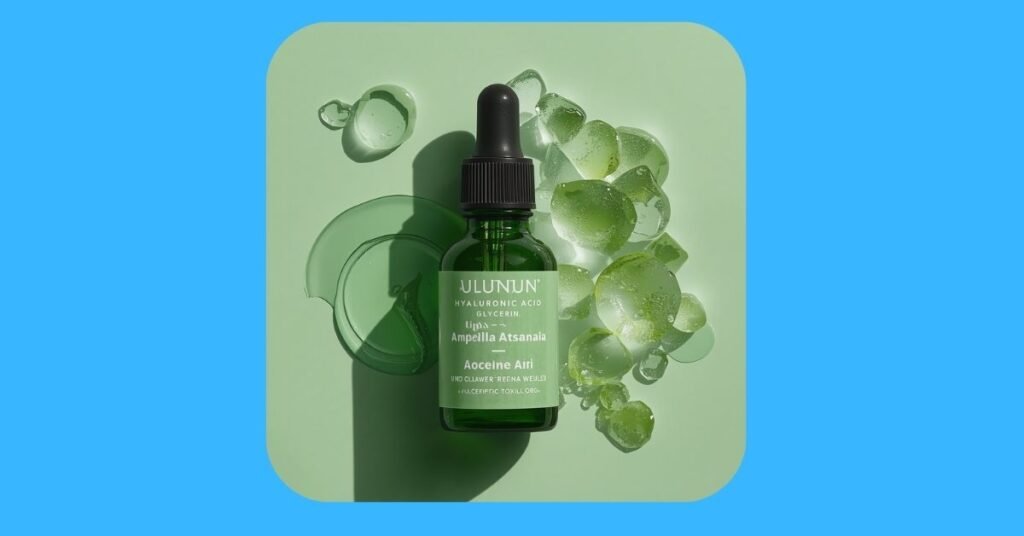
Knowing what to look for in the ingredients list is how you shop smarter and stop wasting money on products that don’t work for your skin type.
Ingredients to Seek Out
Hyaluronic Acid : The MVP for oily skin. A humectant that can hold up to 1,000 times its weight in water. It pulls moisture deep into skin cells without any oiliness whatsoever. Completely non-comedogenic. If your gel moisturizer doesn’t have this, keep looking.
Glycerin : Another powerful humectant that works similarly to hyaluronic acid. Softer on skin, very well tolerated, and excellent at preventing the dehydration that drives excess oil production. Cheap, effective, and universally suitable.
Niacinamide (Vitamin B3) : A superstar ingredient for oily skin specifically. Niacinamide regulates sebum production, visibly reduces pore size, calms inflammation, fades post-acne dark marks, and strengthens the skin barrier all in one ingredient. Look for concentrations of 5–10% for active oil control.
Aloe Vera : Lightweight, cooling, hydrating, and anti-inflammatory. A natural fit for gel formulas and excellent for soothing post-shave irritation on oily skin. Also helps calm redness from breakouts.
Centella Asiatica (Cica) : A plant extract that calms inflammation, promotes barrier repair, and soothes reactive or acne-prone oily skin. Increasingly common in Korean skincare gel formulas and highly effective.
Zinc PCA : Zinc in a skin-friendly form that directly inhibits the enzyme responsible for excess sebum production. A specific oil-control ingredient that works at a biological level, not just by absorbing surface shine.
Salicylic Acid (BHA, in low concentrations) : An oil-soluble exfoliant that penetrates inside pores to dissolve the dead skin cells and sebum that cause congestion. At low concentrations (0.5–1%) in a daily moisturizer, it provides gentle ongoing pore maintenance. At higher concentrations, it’s better used as a targeted treatment a few nights per week.
Panthenol (Vitamin B5) : Deeply hydrating and soothing. Helps repair the skin barrier after shaving, reduces irritation, and keeps skin soft without any heaviness.
Green Tea Extract : Rich in antioxidants (particularly EGCG) that reduce inflammation, fight free radical damage, and have mild oil-regulating properties.
Ingredients to Avoid
Coconut Oil : Extremely comedogenic. Despite its trendy health reputation, it’s one of the worst things you can put on oily, acne-prone skin. Appears in many “natural” skincare products check labels carefully.
Fragrance / Parfum : The number one cause of skin sensitization and contact irritation. Serves zero skincare function, especially problematic on reactive oily skin or post-shave. Both synthetic fragrance and natural fragrance (essential oils) can trigger reactions. Go fragrance-free.
Denatured Alcohol (SD Alcohol, Alcohol Denat.) : Creates that instant mattifying sensation that feels great for about an hour, then strips your barrier and triggers a sebum rebound. Many toners and “oil-control” products use this to fake effectiveness. It’s not a long-term solution.
Heavy Oils : Mineral oil, coconut oil, palm oil, and other rich plant oils have high comedogenicity ratings. Some lighter oils (jojoba, squalane) are fine for oily skin, but avoid products where oils are a primary ingredient.
Isopropyl Myristate / Isopropyl Palmitate : Common emollients and skin-feel enhancers that are highly comedogenic. Frequently found in cheaper moisturizers. Worth checking for on labels.
Thick Silicones (Dimethicone in high concentrations) : Not universally pore-clogging, but in high concentrations they can trap sebum and debris under a film-like layer. A small amount is fine; avoid products where silicones dominate the formula.
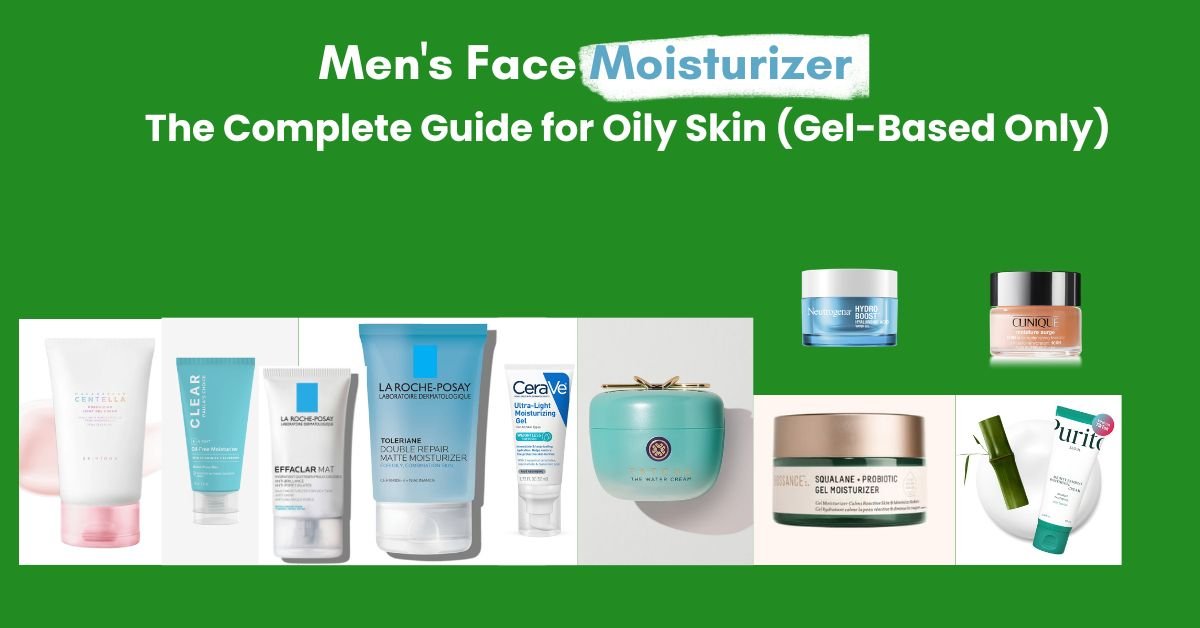
10 Best Gel-Based Moisturizers for Men with Oily Skin
1. Neutrogena Hydro Boost Water Gel
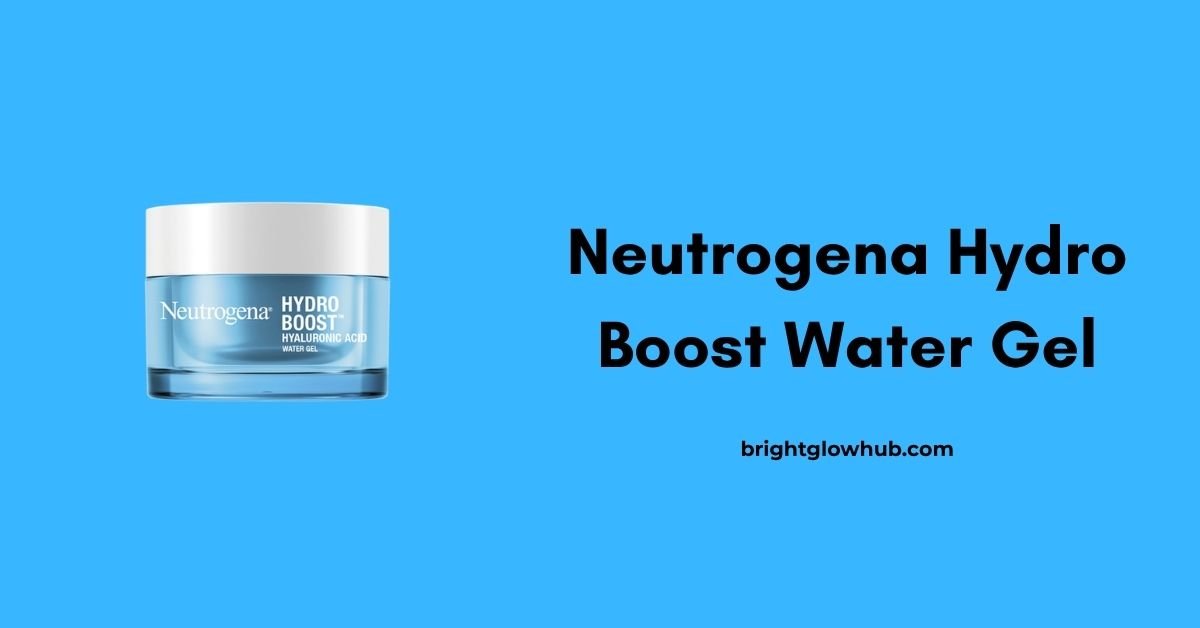
The most recommended gel moisturizer for oily skin, period. It delivers weightless, deep hydration without a trace of grease hyaluronic acid pulls moisture into the skin’s surface layers, while the gel base absorbs fully within seconds, leaving no sticky film or residue. Oil-free, non-comedogenic, and dermatologist-tested. Perfect entry-level pick.
2. CeraVe Ultra-Light Moisturizing Gel
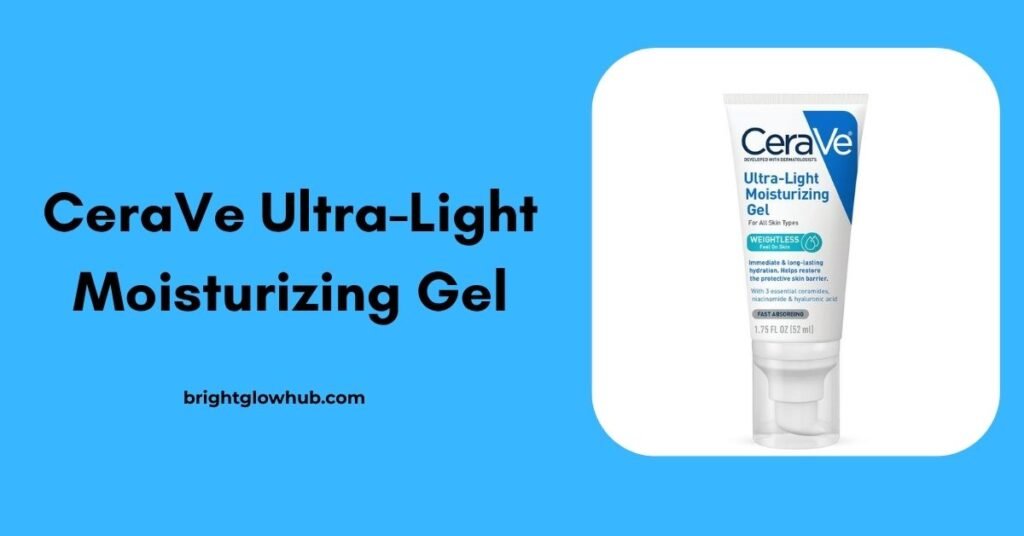
A dermatologist favourite for a reason. It includes niacinamide, which can help with redness especially important since many men with oily skin are also prone to acne and redness, and having a gel moisturizer that can address redness without causing clogged pores is ideal. Also contains ceramides and hyaluronic acid.
3. La Roche-Posay Effaclar Mat Mattifying Moisturizer
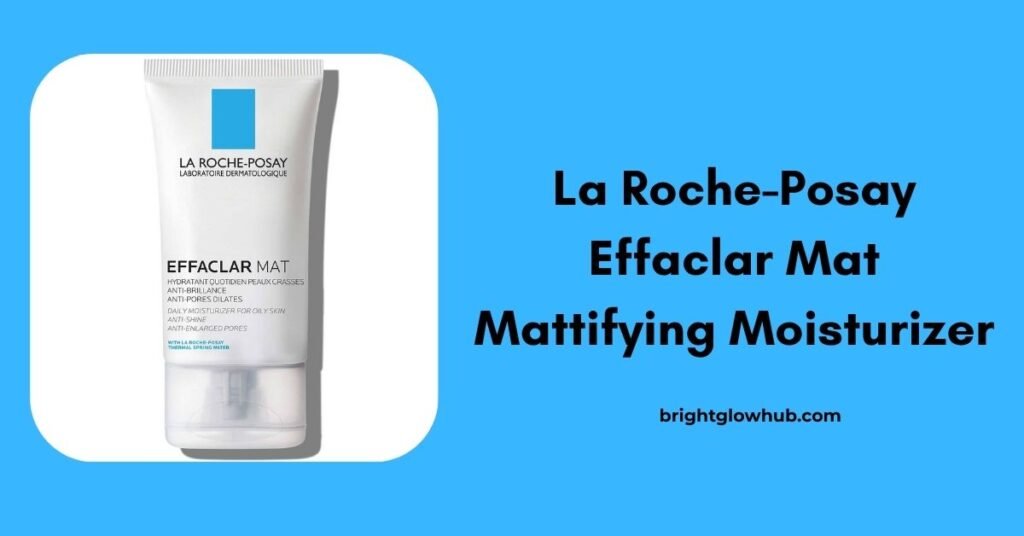
Built specifically for oily skin. It uses ingredients that regulate sebum for oily skin and helps control shine and pores. Leaves a clean matte finish that holds through the day no blotting needed by noon.
4. La Roche-Posay Toleriane Double Repair Matte Moisturizer
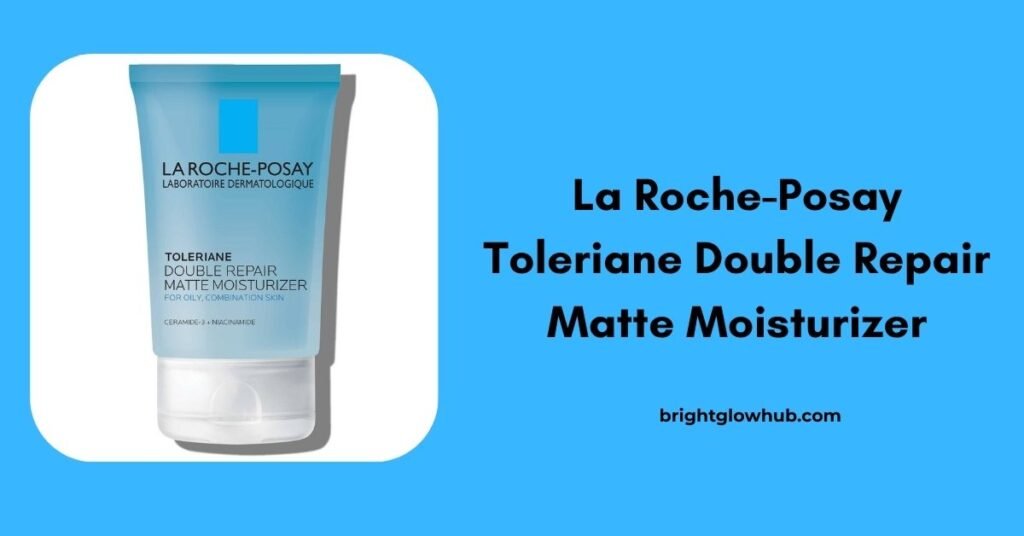
A newer addition from La Roche-Posay that combines hydration and oil control in one lightweight gel. Suitable for oily skin types, it offers all-day hydration without excess shine and minimizes the size of visible pores and improves skin texture. Fragrance-free and sensitive-skin safe.
5. Paula’s Choice Clear Oil-Free Moisturizer
A clean, no-nonsense formula that delivers on its promises. It’s a non-comedogenic moisturizer that won’t clog pores while keeping skin hydrated and shine-free. Great for men who want an evidence-based, filler-free formula.
6. SKIN1004 Poremizing Light Gel Cream
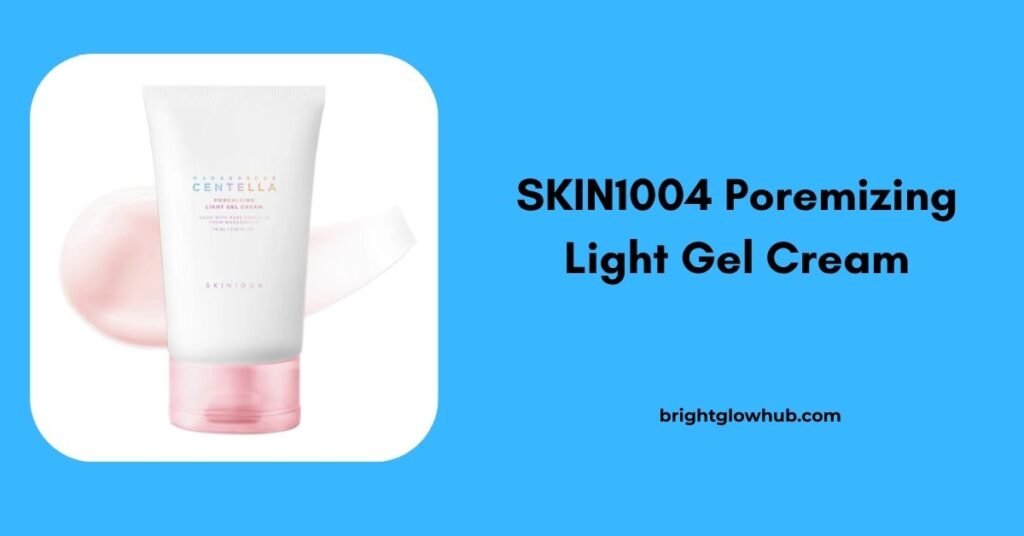
A Korean skincare gem gaining fast popularity for oily skin. It contains niacinamide and hyaluronic acid, is reef-safe, fungal acne-safe, and cruelty-free. The name says it all specifically formulated for visible pore minimizing with a feather-light finish.
7. Tatcha The Water Cream
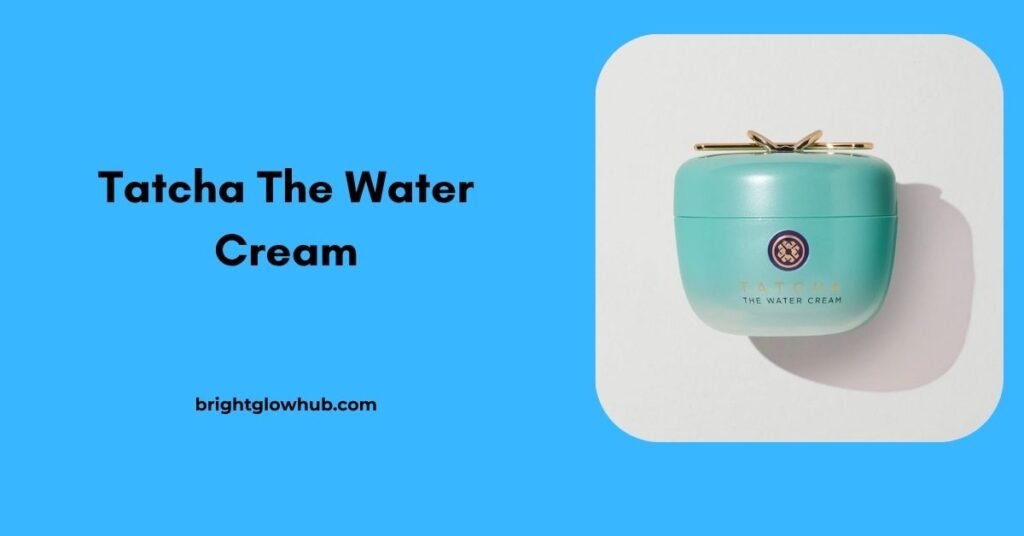
The cult favourite that started the “water cream” conversation. It’s one of the top-tested picks for oily skin in 2026, praised for its ability to deliver hydration without heaviness. A luxe option if you want something premium that genuinely performs.
8. Clinique Moisture Surge 100H Auto-Replenishing Hydrator
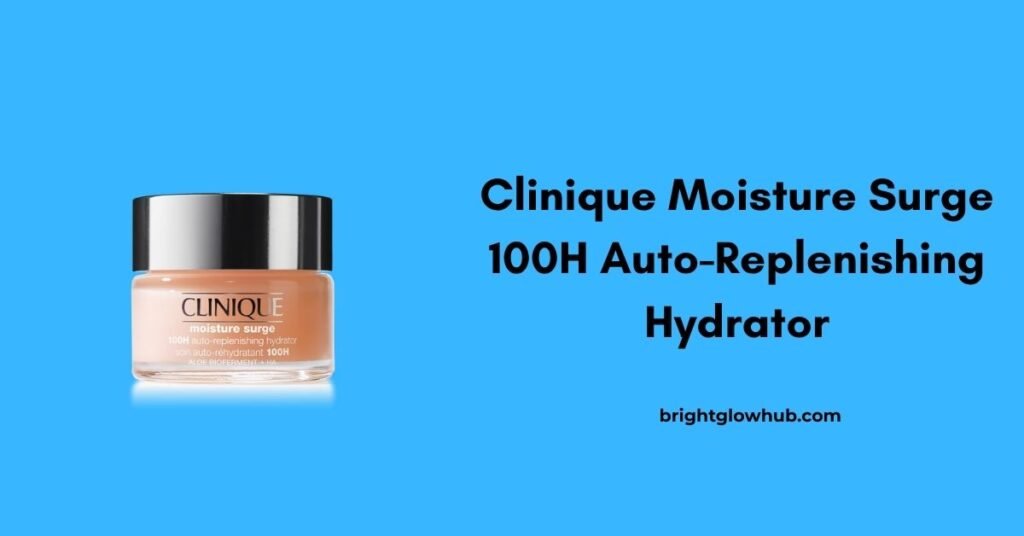
The gel-cream formula makes this dewy moisturizer super lightweight and absorbent, taking mere seconds to sink into the skin and make your barrier feel replenished. It offers up to 100 hours of deep hydration, thanks to hyaluronic acid, aloe bioferment, and vitamins C and E. Works especially well on oily skin that still needs barrier support.
9. Biossance Squalane + Probiotic Gel Moisturizer
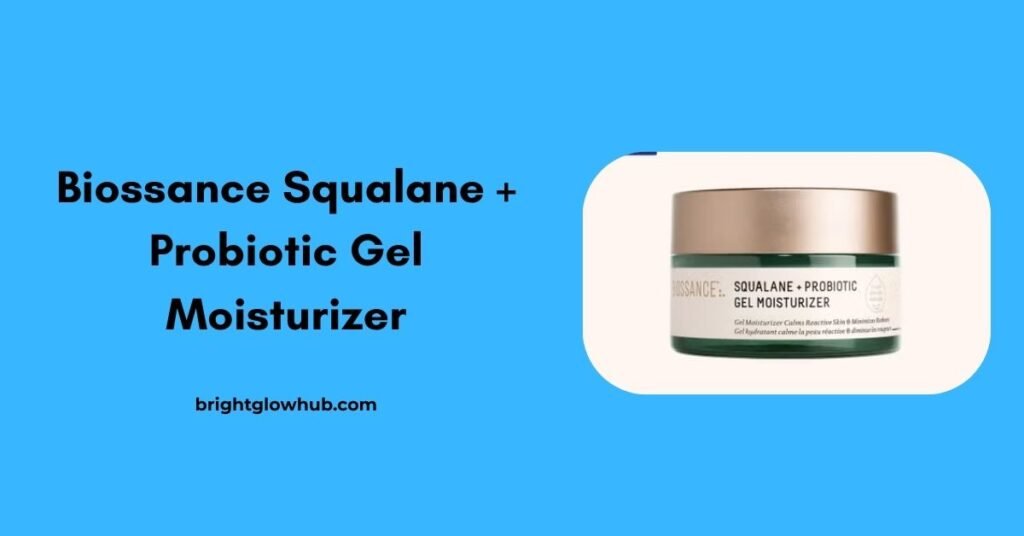
A clean beauty option that’s surprisingly ideal for oily skin. It has a cooling, lightweight consistency and is suitable for sensitive skin. Squalane in gel form is one of the best ingredients for oily skin it mimics skin’s natural oils so your sebaceous glands don’t overcompensate.
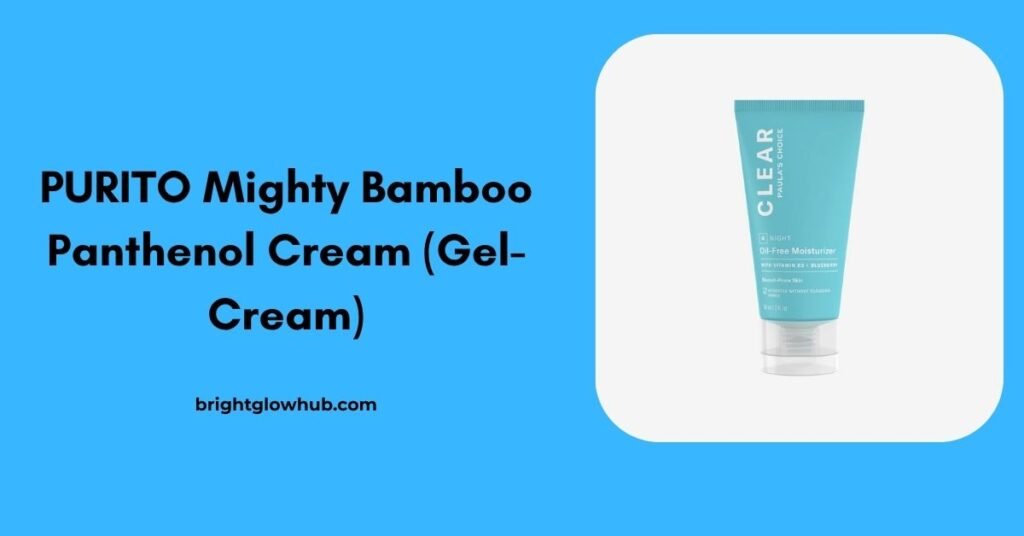
10. PURITO Mighty Bamboo Panthenol Cream (Gel-Cream)
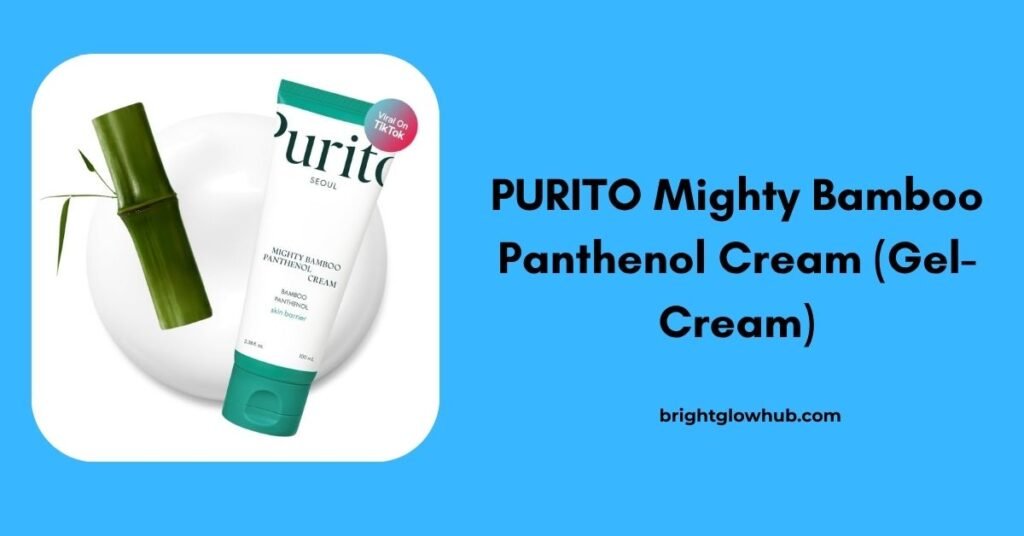
It contains niacinamide, hyaluronic acid, and peptides, and is reef-safe and cruelty-free. Bamboo extract naturally helps absorb excess oil throughout the day, and panthenol (B5) is excellent for soothing post-shave oily skin. One of the best value-for-money options in this category.
Quick Comparison Table for your blog:
| # | Product | Best For | Price |
|---|---|---|---|
| 1 | Neutrogena Hydro Boost Water Gel | Everyday use | Budget |
| 2 | CeraVe Ultra-Light Moisturizing Gel | Acne + redness | Budget |
| 3 | La Roche-Posay Effaclar Mat | Heavy oil control | Mid |
| 4 | La Roche-Posay Toleriane Matte | All-day matte | Mid |
| 5 | Paula’s Choice Clear Oil-Free | Acne-prone skin | Mid |
| 6 | SKIN1004 Poremizing Light Gel | Pore minimizing | Budget-Mid |
| 7 | Tatcha The Water Cream | Premium daily | Premium |
| 8 | Clinique Moisture Surge 100H | Long hydration | Mid-Premium |
| 9 | Biossance Squalane + Probiotic | Sensitive oily | Mid-Premium |
| 10 | PURITO Mighty Bamboo Panthenol | Post-shave, value | Budget |
Non-Comedogenic Moisturizer: What the Label Actually Means
You’ll see “non-comedogenic” on countless skincare products, but most men don’t know what it actually means or how much to trust it.
Comedogenic refers to a substance’s tendency to block pores (comedones = blackheads and whiteheads). A non-comedogenic moisturizer is formulated to minimize pore-blocking potential. The term isn’t regulated by any government body, meaning brands can technically put it on any product. It’s more of an intended formulation direction than a certified guarantee.
That said, it’s still a meaningful signal. Brands that actively formulate non-comedogenic products tend to avoid the known high-risk ingredients (coconut oil, isopropyl myristate, lanolin, heavy waxes) and use lighter, water-based alternatives instead.
For oily skin, non-comedogenic is a baseline requirement not a nice-to-have. Every gel moisturizer I’d recommend for oily skin is inherently non-comedogenic by virtue of its water-based, lightweight formulation. If a product claims to be non-comedogenic but is a thick cream with coconut oil in the ingredients don’t believe the label.
Practical tip: If you want to check a product’s comedogenicity before buying, search the full ingredients list on cosDNA.com or IsItComedogenic.com. These databases rate individual ingredients on a 0–5 comedogenicity scale. Aim for a product where all main ingredients score 0–2.
SPF Gel Moisturizer: The Morning Non-Negotiable
If there’s one upgrade you make to your routine this year, let it be this: start wearing SPF every morning. Not just summer. Not just at the beach. Every day, year-round.
UV radiation causes roughly 80–90% of visible skin aging — the uneven skin tone, rough texture, and enlarged pores that make your skin look older than it is. And here’s the thing: men with oily skin are at slightly higher risk for sun-related skin damage because they’re less likely to wear SPF daily and more likely to spend time outdoors unprotected.
The good news is you don’t need a separate sunscreen step. SPF gel moisturizers combine your hydration and sun protection in one lightweight product — ideal for oily skin because you’re not layering extra products that could feel heavy or cause congestion.
What to Look for in an SPF Gel Moisturizer
Minimum SPF 30. SPF 30 blocks ~97% of UVB rays. SPF 50 blocks ~98%. The difference matters less than consistent daily use. Don’t skip days.
Broad-spectrum. Protects against both UVA (aging rays) and UVB (burning rays). This must be on the label.
Chemical SPF filters (avobenzone, octinoxate, tinosorb) are typically the better choice for oily skin because they’re completely transparent and feel lightweight. They’re absorbed into the skin rather than sitting on top, making them ideal for gel formulations.
Mineral SPF filters (zinc oxide, titanium dioxide) are better for very sensitive or severely acne-prone oily skin because they’re less likely to cause reactions. The downside: they can leave a white cast, especially on medium to dark skin tones. Tinted mineral SPF gels have improved massively and are worth considering.
Matte-finish formulas. Specifically designed for oily skin they absorb excess oil throughout the day and keep shine at bay. Look for “matte,” “oil-control,” or “shine-free” SPF moisturizers.
What to avoid in SPF moisturizers for oily skin: heavy cream SPFs with white cast, SPF formulas with fragrance, formulas that feel sticky or tacky on application.
Night Gel Moisturizer: What Oily Skin Needs While You Sleep
The idea of a night moisturizer might feel unnecessary if your skin is oily — but your skin does its most intensive repair work during sleep, and a lightweight gel formula at night helps that process without smothering oily skin with a heavy cream.
Night time is when you can introduce more active ingredients that work best without sun exposure. For oily skin specifically, the evening is the ideal time to use:
Niacinamide-heavy formulas. Niacinamide regulates sebum production over time and fades the post-acne dark spots that oily, breakout-prone skin tends to accumulate. Using it consistently at night, when skin isn’t in protection mode, maximizes its benefits.
Salicylic acid gel. A BHA gel moisturizer used 2–3 nights per week gently exfoliates inside pores and clears the congestion that leads to blackheads and breakouts. This is one of the most effective preventive treatments for persistently oily, acne-prone skin.
Retinol gel (for 25+). Retinol speeds up cell turnover, prevents clogged pores from forming, and over time reduces sebum production. It’s one of the most well-researched ingredients in skincare. Start with a low-concentration formula 1–2 nights per week; it can cause initial dryness that’s managed by applying a plain gel moisturizer on top.
Centella Asiatica gel. If your skin is reactive, red, or dealing with active breakouts, a cica gel at night calms inflammation and promotes healing without any clogging risk.
Important: Your night moisturizer for oily skin should still be a gel or very lightweight gel-cream not a switch to a heavy cream just because it’s night time. The principle is the same: hydrate, don’t suffocate.
My Actual Gel Moisturizer Routine for Oily Skin
Here’s exactly how I use gel moisturizer in my daily routine. The golden rule: thinnest to thickest, and never skip SPF.
Morning Routine (5 minutes)
- Gentle gel or foam cleanser : A pH-balanced face wash that removes overnight oil without stripping. Avoid bar soaps and anything that leaves skin feeling tight.
- Hydrating toner (optional) : A water-based toner with glycerin or hyaluronic acid. Helps prep the skin to absorb the next steps. Apply to slightly damp skin for best effect. Skip anything with alcohol.
- Niacinamide serum : A few drops of a 10% niacinamide serum applied first. This is my single most effective step for controlling midday shine and gradually minimizing pores. Let it absorb for 30 seconds.
- Gel moisturizer : A pea-sized to dime-sized amount of a lightweight gel moisturizer with hyaluronic acid and glycerin. Applied to still-slightly-damp skin to lock in hydration. This is the non-negotiable step. Absorbed in under 30 seconds.
- SPF 50 gel or fluid sunscreen : Applied last, every morning, no exceptions. A separate SPF product is ideal; an SPF moisturizer is a solid one-step alternative.
That’s it. Five steps, under five minutes, and my skin stays genuinely balanced throughout the day not tight, not greasy, not breaking out.
Best Moisturizers for Men with Oily Skin: Complete Guide to Oil-Free Hydration
Moisturizer with SPF vs Separate Sunscreen: Which Should You Choose?
Evening Routine (5 minutes)
- Oil cleanser or micellar water : Even if you didn’t wear heavy SPF, the day’s pollution and sebum need proper removal. An oil cleanser sounds counterintuitive for oily skin but doesn’t leave residue if rinsed properly and is the most effective way to fully clear pores.
- Gentle water-based cleanser : Follow with a foaming or gel cleanser to ensure everything is clean. Double cleansing is a habit that transformed my skin more than any product.
- Active treatment (3–4 nights per week) : On rotation: salicylic acid gel for pore congestion, or retinol serum for long-term oil regulation and anti-aging. Not both on the same night.
- Gel moisturizer : Same as morning, or a slightly richer niacinamide gel formula for overnight oil regulation. Apply over still-damp skin after the active has absorbed.
No SPF needed at night. No oils. No heavy creams. Keep it light and consistent.
Who am I and why listen to me :

Written by Sahil Sheikh, a men’s skincare writer with 2 years of experience in skincare research, product recommendations, and practical grooming routines for oily and acne-prone skin.
Over the last two years, I’ve helped more than 20 people improve their skin by recommending the right skincare products, simple routines, and effective home remedies based on their skin type and concerns.
I’ve also personally guided friends and cousins dealing with issues like dullness, tanning, uneven skin tone, pigmentation, and excess oiliness helping them build healthier and more confident skin habits.
My approach to men’s skincare is simple: practical advice, beginner-friendly routines, and products that actually work in real life without making skincare complicated.
This post was shared on Reddit and Quora and other social media platforms
I regularly share on Men’s skin care especially oily skin men on different social media platforms follow me on Quora : sahil sheikh
The Most Common Mistakes Oily-Skin Men Make
Skipping moisturizer entirely. The number one mistake. Thinking oily skin doesn’t need hydration is what keeps the oil-production cycle going. Hydrate properly and oil production calms over weeks.
Using harsh cleansers to fight oil. Stripping cleansers trigger rebound oil production. The more aggressively you strip, the more oil your skin produces. Switch to a gentle, pH-balanced gel cleanser and your skin will thank you.
Using cream moisturizers meant for dry skin. Someone recommended a “great moisturizer” that happens to be a thick cream with shea butter. You try it, break out within two weeks, and assume all moisturizers cause breakouts. They don’t but the wrong texture does.
Over-applying. A pea-sized amount of gel moisturizer is enough. More product doesn’t mean more hydration it just sits on the surface, potentially clogging pores and adding unnecessary shine.
Expecting results in a week. Niacinamide takes 4–8 weeks to visibly regulate oil. Salicylic acid needs 6–8 weeks to significantly clear congestion. Give products a full cycle before deciding if they work.
Ignoring SPF because it feels greasy. Most greasy-feeling SPFs are designed for dry skin. There are genuinely lightweight, matte-finish SPF gels and fluids designed specifically for oily skin. Finding the right one is worth the effort it’s the single most impactful skincare step you can take.
Using alcohol-based products for oil control. That tight, squeaky-clean feeling after an alcohol toner is your barrier being stripped. Temporary oil control that makes the problem worse long-term.
Not applying to slightly damp skin. Gel moisturizers with hyaluronic acid work by drawing in moisture if your skin is completely dry when you apply, there’s less ambient moisture to pull from. Apply right after patting (not rubbing) your face dry for maximum hydration effect.
Product Recommendations for Oily Skin Men (What to Look For)
I’m not going to list specific brands because availability and formulas change. Instead, here’s exactly what to look for by category so you can evaluate any product yourself.
Best everyday gel moisturizer for oily skin: Water listed as first ingredient. Key actives: hyaluronic acid, glycerin, niacinamide. No fragrance. Oil-free. Absorbs within 30 seconds. Leaves a comfortable matte or satin finish. Korean “water gel” or “water cream” formats are excellent in this category.
Best SPF gel moisturizer for oily skin: Broad-spectrum SPF 30–50. Chemical filters for invisible, lightweight application. Matte-finish. No fragrance. Won’t pill under any other products. Gel-fluid or serum-like texture, not a thick cream.
Best gel moisturizer for acne-prone oily skin: Contains salicylic acid (0.5–2%) or niacinamide (5–10%). Certified non-comedogenic. Fragrance-free. Ideally contains centella asiatica or zinc for additional anti-inflammatory support. Lightweight, fast-absorbing.
Best night gel for oily skin: Higher-concentration niacinamide (10%). May contain low-dose salicylic acid for gentle overnight pore clearing. Slightly richer than morning formula but still a gel or gel-cream. No heavy oils.
Best post-shave gel moisturizer: Contains aloe vera, panthenol (B5), or allantoin for soothing. Fragrance-free (especially critical on freshly shaved skin). Alcohol-free. Non-comedogenic. Should calm redness immediately on application.
FAQ: Oily Skin and Gel Moisturizers
My skin is oily will a gel moisturizer make it worse?
No. The right gel moisturizer will make it better over time. The key word is “right” you need a water-based, oil-free formula with hydrating ingredients like hyaluronic acid and glycerin. These replenish the hydration your skin is lacking, which signals your sebaceous glands to calm oil production. Most men notice a meaningful reduction in midday shine within 4–6 weeks of consistent use.
Can I skip moisturizer and just use SPF?
Technically you could many SPF formulas contain hydrating ingredients. But a dedicated gel moisturizer applied before SPF gives you better hydration, often contains active ingredients for oil control, and creates a more stable base for sunscreen. It’s worth the extra 30 seconds.
What’s the best moisturizer for oily skin in hot, humid weather?
A pure gel the lightest texture available. In hot and humid conditions, even gel-creams can feel heavy. Look for gel formulas specifically, ideally with a built-in matte finish. Apply only the minimum amount needed.
My gel moisturizer pills when I apply SPF on top what’s happening?
Pilling happens when product layers aren’t compatible or haven’t fully absorbed. Let each product fully absorb (30–60 seconds) before applying the next. Also check if both products contain silicones certain silicone-silicone combinations can cause pilling. Switching to a silicone-free gel moisturizer often fixes the problem.
Can I use a gel moisturizer with active ingredients like retinol or salicylic acid in my routine?
Yes, and for oily skin this is a smart combination. The key is not to stack too many actives at once. Use your active (retinol or BHA) 3–4 nights per week, and apply your plain gel moisturizer on top to keep skin hydrated and reduce irritation. On the nights you’re not using actives, your gel moisturizer is all you need.
Is niacinamide really that effective for oily skin?
Yes it’s one of the most well-researched ingredients for sebum regulation. Multiple clinical studies show that niacinamide at 2–10% concentration significantly reduces sebum excretion rates. It also fades post-acne hyperpigmentation, reduces visible pore size, and strengthens the skin barrier. It’s genuinely the most effective single ingredient for oily skin management.
Should I moisturize after shaving if my skin is already oily?
Absolutely this is non-negotiable. Shaving creates micro-abrasions and strips the skin’s barrier. Without moisturizer, you get redness, irritation, ingrown hairs, and a barrier that’s more vulnerable to bacteria (which means breakouts). Use a fragrance-free, alcohol-free gel moisturizer immediately after shaving and let it absorb before applying SPF.
Does oily skin age differently?
There’s actually an upside to oily skin: it tends to show fine lines and wrinkles later than dry skin because it’s naturally better lubricated. However, oily skin is more susceptible to sun-related aging (hyperpigmentation, uneven texture, enlarged pores) because men with oily skin often skip SPF. The anti-aging strategy for oily skin is: consistent SPF daily + niacinamide + retinol at night.
The Bottom Line
If you have oily skin, the answer is not less skincare. It’s smarter skincare. A lightweight, water-based gel moisturizer built for oily skin is one of the most powerful tools you have it delivers the hydration your skin is desperately seeking, calms the oil-production overload, keeps pores clear, and when combined with a daily SPF, protects you from the environmental damage that would otherwise age your skin faster.
The routine doesn’t need to be complicated. A gentle cleanser, a niacinamide serum, a good gel moisturizer, and an SPF gel. Four products. Five minutes. Do it consistently for 60 days and you will not recognize your skin.
Your face produces oil because it’s trying to protect itself. Give it what it actually needs real hydration, in the right format and it’ll stop working overtime.
Got questions about oily skin or gel moisturizers? Drop them in the comments I answer everything.