
If you’ve been googling “is amla juice good for skin,” you’ve probably come across a flood of articles that make it sound like a miracle in a bottle. Glowing skin. Reduced pigmentation. Anti-ageing benefits. The list goes on.
I was that person too convinced, hopeful, and ready to try it.
I started drinking amla juice after months of reading about its benefits. I had dull skin, some uneven tone, and I was looking for something natural and affordable. Amla seemed like the perfect answer. And honestly, for a while, I believed it was working.
But here’s the thing nobody told me: amla juice didn’t suit me. And the way I found out was not pleasant.
This is my honest account the benefits I read and partially experienced, the side effects I personally went through, and what I think you should know before you start chugging amla juice every morning.
What Even Is Amla?
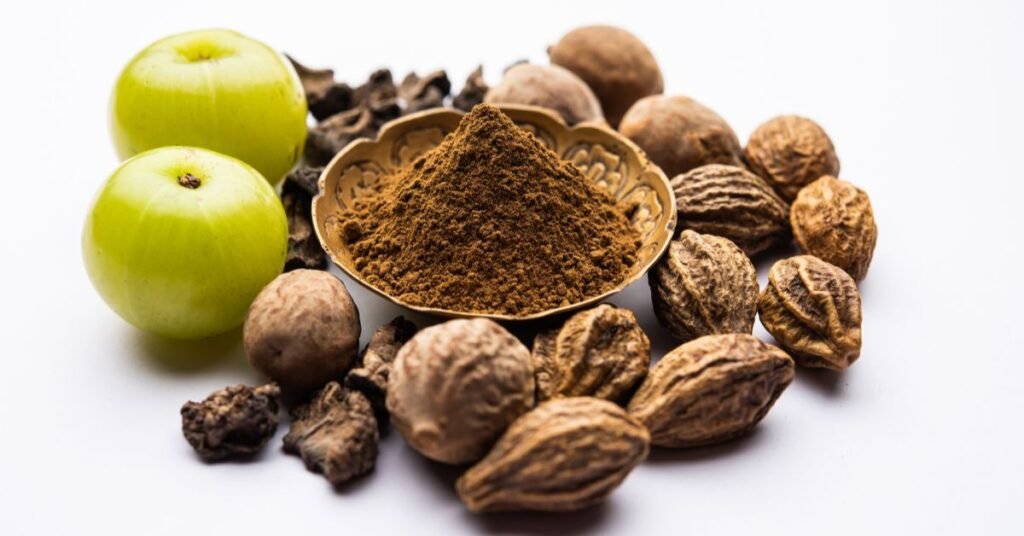
Amla, or Indian Gooseberry, is a small, tart, pale-green fruit that has been used in Ayurvedic medicine for over 3,000 years. It is native to India and grows abundantly across the subcontinent. The name amla comes from the Sanskrit word “amalaki,” which loosely translates to “nurse” or “mother” a reference to its nourishing properties.
What makes amla genuinely impressive not just from traditional wisdom but from modern science is its extraordinarily high Vitamin C content. A single fresh amla fruit contains roughly 600–700 mg of Vitamin C. For comparison, that’s about 10 times more than an orange. Vitamin C, as we now know very well, is one of the most powerful antioxidants and plays a critical role in collagen synthesis. And collagen, as any skincare enthusiast knows, is the backbone of healthy, firm, youthful-looking skin.
Why I Started: The Benefits That Made Me Try It
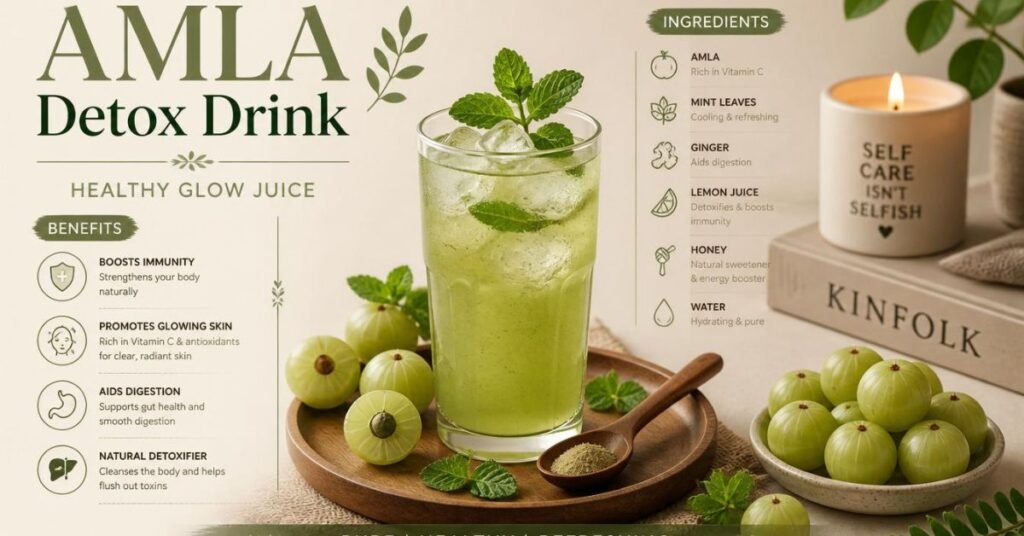
Before I get into my experience, let me give credit where it’s due. Amla Indian gooseberry is genuinely one of the most nutrient-dense fruits out there. The benefits for skin are well-documented, and they’re not just marketing fluff.
It’s loaded with Vitamin C. Amla contains one of the highest concentrations of Vitamin C found in any natural food. Vitamin C is directly linked to collagen synthesis, which keeps skin firm and elastic. It also helps fade dark spots and hyperpigmentation by interfering with melanin production. If your skin is dull or uneven, vitamin C is one of the best things you can add to your diet and amla is one of the most potent sources of it.
It has strong anti-inflammatory properties. Chronic inflammation is one of the hidden reasons behind breakouts, redness, and premature ageing. Amla contains tannins, flavonoids, and polyphenols that help reduce inflammation in the body. For people with acne-prone or sensitive skin, this is genuinely useful.
It acts as a natural detoxifier. Amla juice supports liver function and helps flush out toxins. Since skin health is deeply connected to gut and liver health, a cleaner internal environment can reflect on your face over time.
It may slow down skin ageing. The antioxidants in amla help neutralise free radicals the molecules responsible for breaking down skin cells and accelerating ageing. Consistent intake, in theory, should support more resilient, youthful-looking skin.
So yes, the benefits are real. I’m not dismissing them. The problem was how my body responded to the way I was consuming it.
My Experience: When Amla Juice Didn’t Work for Me
I started with a routine I’d read about on multiple health
blogs: drink amla juice first thing in the morning, on an empty stomach, for maximum absorption.
I did this faithfully for about two weeks.
And almost every single morning, within 30 to 45 minutes of drinking it, I had to run to the washroom. Not occasionally consistently. My stomach would cramp, I’d feel an urgent need to use the toilet, and there were days I genuinely couldn’t leave the house comfortably until it had passed.
At first, I thought it was a detox reaction. “Your body is just flushing out toxins,” I told myself. But it didn’t stop. It happened every morning without fail.
Here’s what I later understood: amla is highly acidic and has natural laxative properties. It stimulates bowel movement, especially when consumed on an empty stomach, because there’s nothing else in the digestive tract to buffer its acidity. For people with a sensitive gut, IBS, or naturally high stomach acid, this reaction can be intense. I was one of those people, and I just hadn’t known it.
The digestive distress was so consistent that I stopped sleeping well the night before, anxious about how my morning would go. That kind of stress, ironically, also shows on your skin in the form of dullness, puffiness, and breakouts.
So while I was trying to improve my skin with amla juice, the side effects were working against me in other ways.
What the Side Effects of Amla Juice Can Look Like
My experience wasn’t unique. After I started talking about it, a few people in my circle shared similar stories. Here’s a broader picture of side effects that are worth knowing:
Digestive issues on an empty stomach. This was my main problem. The high acidity of amla juice irritates the stomach lining when there’s no food to absorb it. It can cause cramping, loose stools, urgency, and in some cases, nausea. If you have a sensitive digestive system, this is a real risk.
Acidity and acid reflux. Even for people who don’t experience the urgent washroom issue, amla juice can trigger heartburn or acid reflux especially in the morning. The stomach is already producing acid overnight, and amla adds to that load.
Dehydration. If the laxative effect is frequent, you lose more fluids than you’re taking in. Ironically, dehydration is one of the worst things for your skin it causes dryness, flakiness, and makes fine lines more visible.
Interactions with certain health conditions. Amla can lower blood sugar levels and thin the blood slightly. If you’re on medication for diabetes or blood pressure, it’s worth checking with a doctor before making it a daily habit.
Scalp sensitivity. This is less discussed, but some people report increased sensitivity or irritation when applying amla topically. It’s less of a concern with juice consumption, but worth noting.
None of this means amla is bad. It means it isn’t a one-size-fits-all solution.
So, Is Amla Juice Actually Good for Skin?
Honestly? It depends entirely on how your body handles it.
If you have a strong digestive system, no existing acidity issues, and you consume it correctly amla juice can be genuinely beneficial for skin. The vitamin C alone makes it worth considering. The anti-inflammatory and antioxidant benefits are real and backed by research.
But if your gut is sensitive, if you have acid reflux, or if you’re drinking it on an empty stomach and feeling the effects I described then you’re likely doing more harm than good. The stress on your digestive system, the dehydration from frequent bowel movements, and the anxiety it can create all counteract the skin benefits you’re hoping for.
What I Do Now Instead
After my experience, I didn’t give up on amla entirely. I just changed how I used it.
I switched to consuming it with food. Instead of first thing in the morning on an empty stomach, I started adding amla powder to my smoothie or having amla candy (the dried, less acidic version) after a light breakfast. The digestive issues disappeared almost immediately.
I tried amla topically. Amla oil and amla-infused face masks gave me some of the skin benefits without the internal digestive disruption. Vitamin C applied directly to the skin is well-studied and effective and it bypassed my gut entirely.
I diluted the juice. On the days I did want to drink it, I diluted a small amount in a larger glass of water and never consumed it alone. This reduced the acidity significantly.
I paid attention to my body. This sounds obvious, but it took me too long to actually act on what my body was telling me. If a health remedy consistently makes you feel unwell, that’s information worth listening to.
Why listen to me :

Written by Sahil Sheikh, a men’s skincare writer with 2 years of experience in skincare research, product recommendations, and practical grooming routines for oily and acne-prone skin.
Over the last two years, I’ve helped more than 20 people improve their skin by recommending the right skincare products, simple routines, and effective home remedies based on their skin type and concerns. very well foe them
I’ve also personally guided friends and cousins dealing with issues like dullness, tanning, uneven skin tone, pigmentation, and excess oiliness helping them build healthier and more confident skin habits.
My approach to men’s skincare is simple: practical advice, beginner-friendly routines, and products that actually work in real life without making skincare complicated.
This post was shared on Reddit and Quora and other social media platforms
I regularly share on Men’s skin care especially oily skin men on different social media platforms follow me on Quora : sahil sheikh
Updated on : 26-5-2026
Using Amla Topically for Skin
Consuming amla is just one piece of the puzzle. Many people also apply it directly to their skin, and this is where the benefits can be more immediate and visible. You don’t need to drink anything for this and there’s no risk of loose motions.
Amla Powder Face Mask
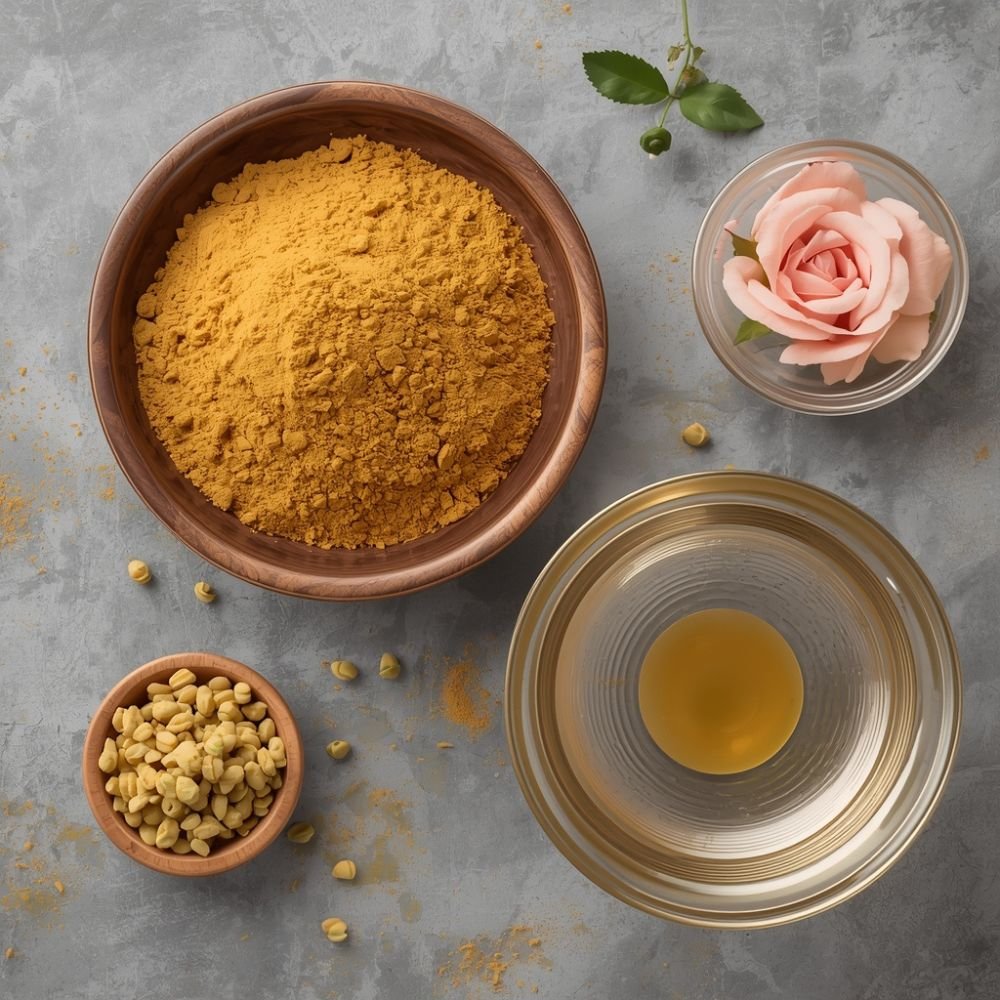
Mix 1 tsp amla powder with honey and rose water. Apply on face, leave for 15 min, rinse. Great for brightening dull skin.
Amla & Turmeric Mask
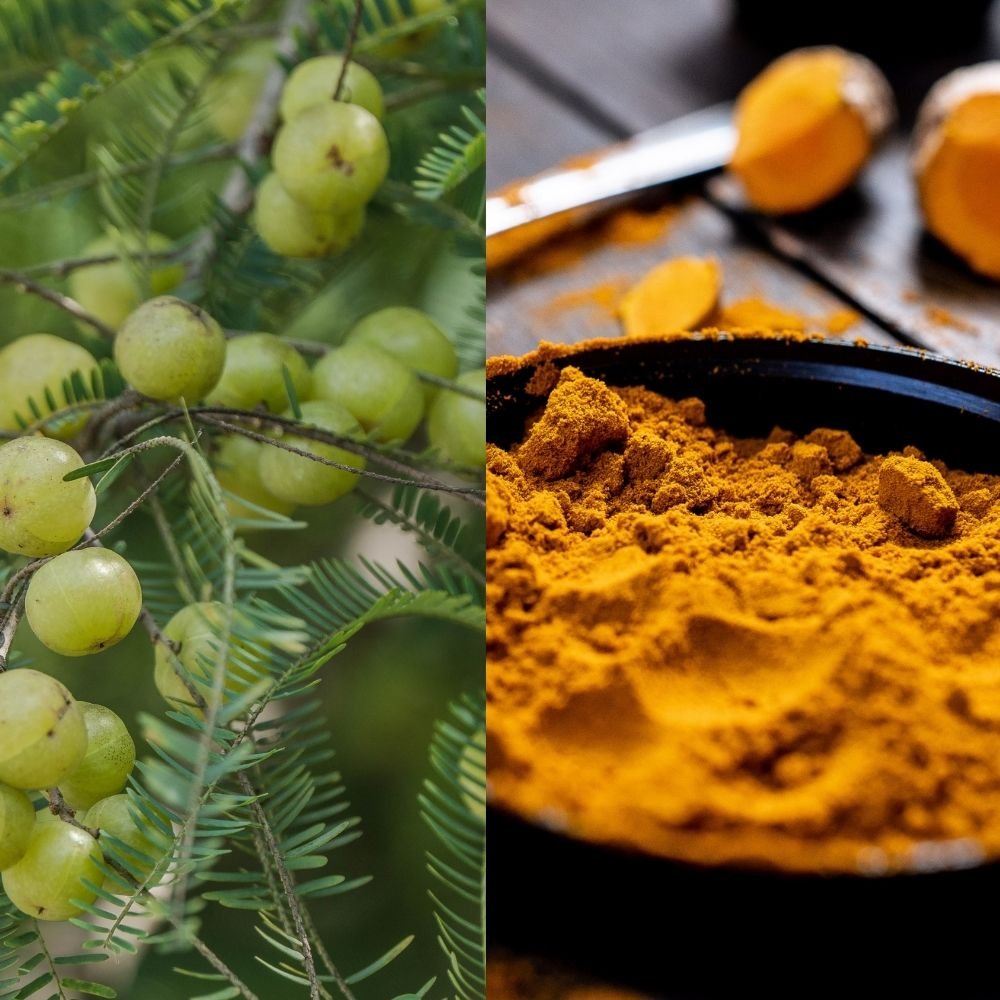
Combine amla powder with a pinch of turmeric and yoghurt. Apply for 10 min. Helps reduce pigmentation and blemishes.
Amla Toner
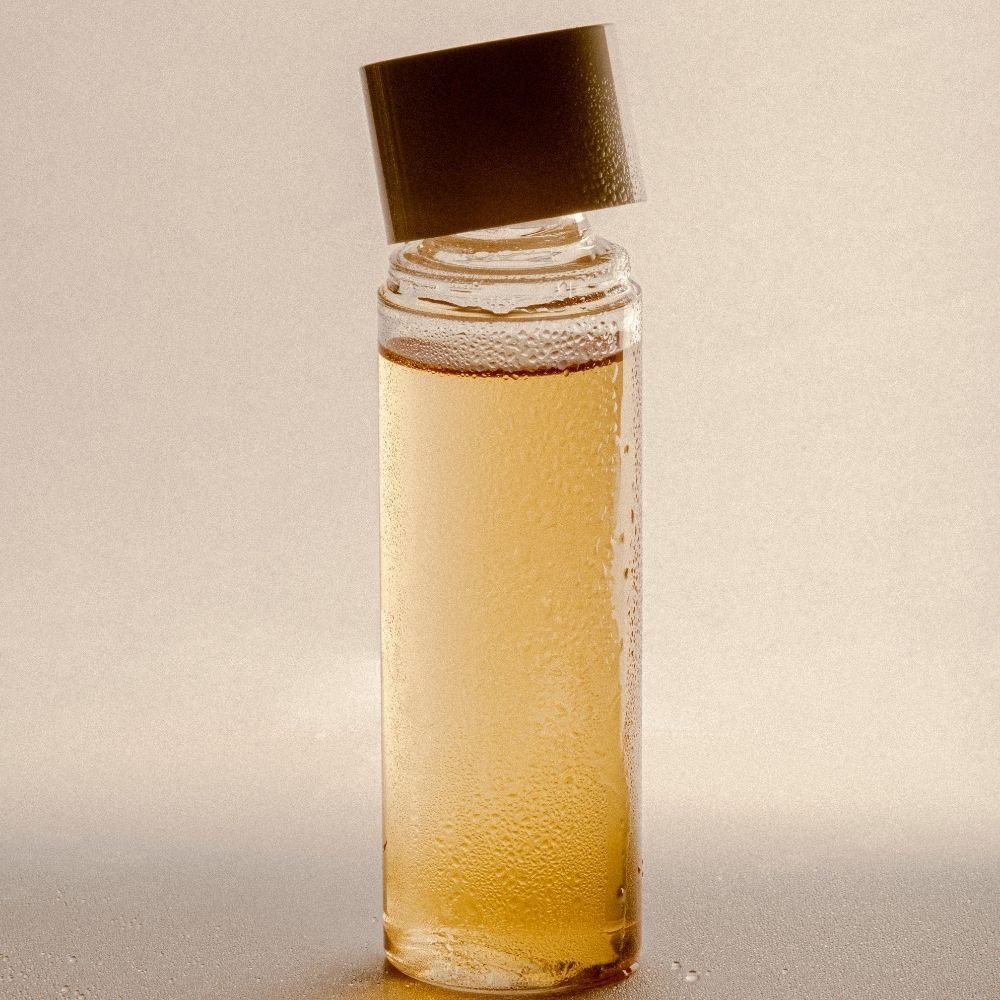
Mix amla juice (diluted) with rose water in a spray bottle. Mist on clean skin as a refreshing antioxidant toner.
Amla & Aloe Gel
Blend amla powder with fresh aloe vera gel. Apply and leave overnight. Soothes and deeply hydrates the skin.
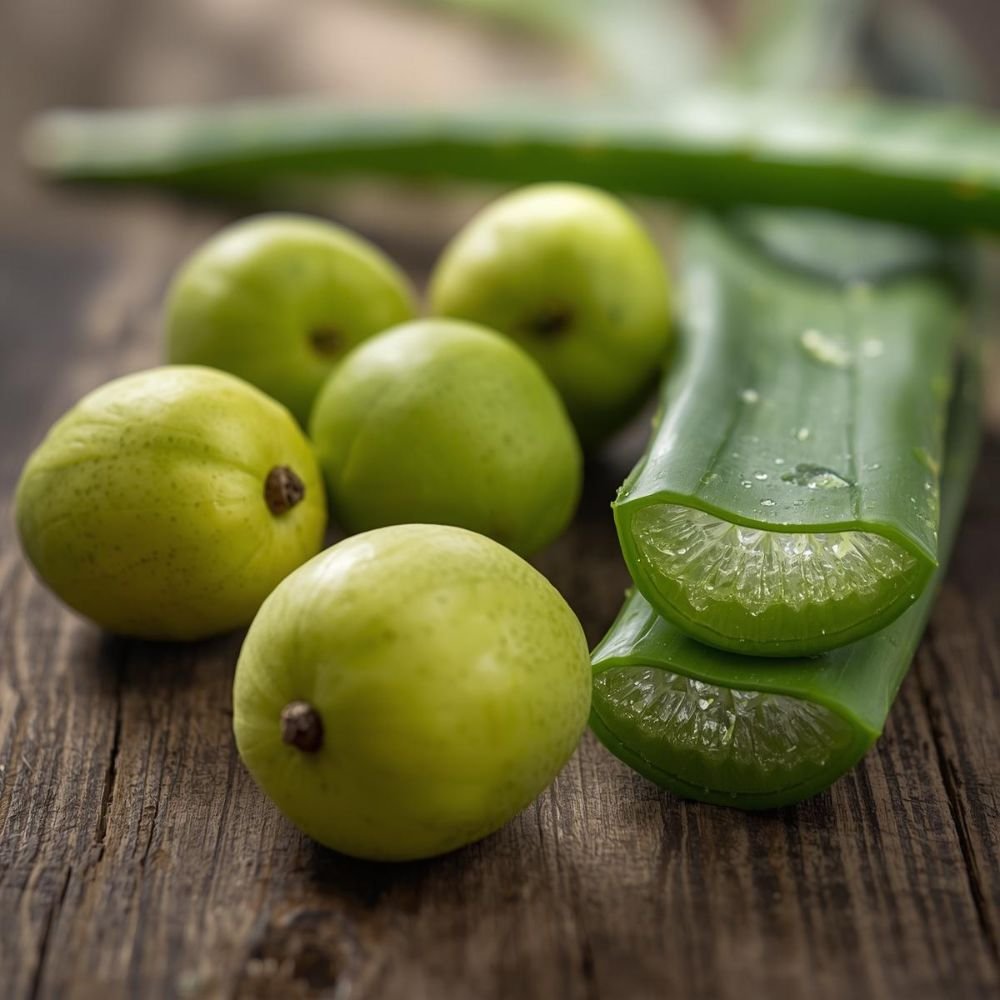
I personally tried the amla powder face mask (Mix 1 tsp amla powder with honey and rose water) a few times a week for about a month. My skin did feel softer after washing it off, and a couple of my darker spots seemed to have lightened slightly though slow and steady results are the reality with natural remedies. Don’t expect overnight miracles.
I have tried this because I have oily skin and rose water is best for me
Best Fruits for Skin A Man’s Honest Guide to Eating Your Way to Better Skin
FAQs:
Does amla juice actually improve skin?
Yes, it can but it’s not instant. Amla is extremely rich in Vitamin C, which supports collagen production and helps fade dark spots over time. I did notice a slight improvement in my skin texture during the first week, but the digestive side effects I experienced outweighed the benefits for me personally.
Why did I have to rush to the washroom after drinking amla juice every morning?
This was exactly my experience too. Amla juice acts as a natural laxative, and its high acidity increases stomach acid production, which can irritate the stomach lining especially when consumed on an empty stomach. If you have a sensitive gut, this reaction can be very consistent and uncomfortable.
Is it safe to drink amla juice on an empty stomach?
Not for everyone. Amla juice can increase stomach acid, leading to acidity and heartburn especially when consumed on an empty stomach. People with a history of gastritis or ulcers may find their symptoms aggravated with regular use. I learned this the hard way
How much amla juice should I drink per day for skin benefits?
For most adults, about 30–50 ml of diluted amla juice per day is considered safe. Larger amounts may cause stomach upset. I’d suggest starting with even less maybe 20 ml mixed in a full glass of water and always having it after food if your stomach is sensitive.
Can I use amla for skin without drinking the juice?
Absolutely, and this is what I switched to. Amla powder mixed into a face mask, amla oil applied topically, or even amla candy consumed after meals can give you many of the same skin benefits without putting stress on your digestive system. Topical Vitamin C is well-studied and very effective.
How long does amla juice take to show results on skin?
Amla tends to work on a deeper tissue level, so visible results take time most people report noticing changes after 4 to 6 weeks of consistent use. But if the way you’re consuming it is causing digestive distress, the stress and dehydration from that will likely cancel out any skin benefit in the meantime.
The Bottom Line
Amla juice has real, documented benefits for skin the vitamin C content, antioxidant properties, and anti-inflammatory effects are all legitimate. If it agrees with your digestive system, it can be a valuable addition to your routine.
But it didn’t suit me, and I want to be upfront about that. Drinking it every morning on an empty stomach left me rushing to the washroom, cramping, and eventually stressed — which is not a great foundation for healthy skin or a healthy morning.
If you’re thinking about trying amla juice, start slow. Have it with food or after a meal. Dilute it. Listen to how your stomach responds in the first few days. Don’t push through significant discomfort in the name of a wellness trend.
And if it doesn’t work for you? That’s okay too. Amla in other forms powder in food, topical oil, dried fruit can offer similar benefits without the digestive load.
Your skin-care routine should make you feel better, not worse. That’s the only standard that really matters.
This post is based entirely on my personal experience. I am not a medical professional. Please consult a healthcare provider if you have specific health concerns before making changes to your diet or skincare routine.