By sahil sheikh | Skin Care & Sun Protection
Table of Contents
I used to think sunscreen was just something you slapped on at the beach and forgot about the rest of the year. I’d apply it once, go about my day, and then wonder why my skin was getting darker, uneven, and honestly a little dull. It took me an embarrassingly long time to realize I had been using sunscreen completely wrong, and barely understanding what it was actually supposed to do.
If you’ve ever Googled “does sunscreen prevent tanning” and found yourself more confused after reading the results than before this one’s for you. I’m going to break it down clearly, honestly, and from personal experience.
What Actually Causes Tanning?
Before we get into sunscreen, let’s quickly understand what tanning actually is because once I understood this, everything else made sense.
When your skin is exposed to UV rays from the sun, it triggers your skin cells to produce more melanin. Melanin is the pigment that gives your skin its color. This is your body’s natural defense mechanism it’s essentially trying to shield your DNA from UV damage by darkening the surface.
So tanning isn’t a sign of health or a “glow” it’s actually your skin sounding a quiet alarm. And every time that alarm goes off repeatedly, it leaves behind long-term damage in the form of dark spots, uneven tone, and premature aging.
That’s the context you need to understand what sunscreen is actually doing when you apply it.
Does Sunscreen Prevent Tanning?
Yes but let me give you the full picture, because the answer is a bit more layered than a simple yes or no.
Sunscreen works by blocking or absorbing UV radiation before it can penetrate your skin. There are two types of UV rays to know about: UVB rays, which cause sunburn and surface damage, and UVA rays, which go deeper and are responsible for aging and a lot of the pigmentation changes we associate with tanning.
When I started using a broad-spectrum sunscreen daily one that protects against both UVA and UVB I genuinely noticed my skin stopped getting darker the way it used to. But here’s the key word: consistently.
Sunscreen prevents tanning only when it’s applied correctly and reapplied throughout the day. I used to think one application in the morning was enough. It is not. Sunscreen breaks down over time, especially when you sweat, wipe your face, or spend time outdoors. Reapplying every two hours during sun exposure is not optional it’s the whole point.
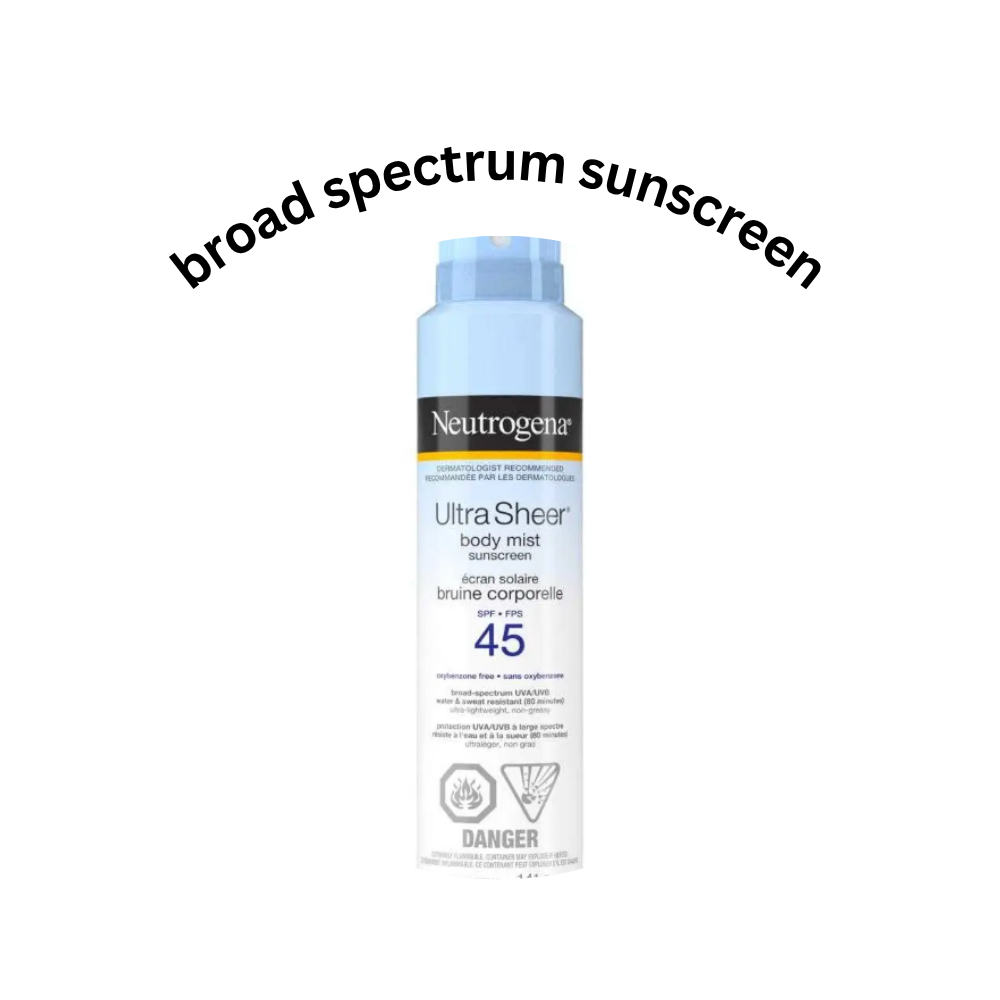
Another important factor is SPF. SPF measures how well a sunscreen protects you from UVB rays. An SPF 30 blocks about 97% of UVB radiation, while SPF 50 blocks around 98%. Does the difference sound small? It is but for daily use, SPF 30 to 50 is generally the sweet spot that most dermatologists recommend.
Can Sunscreen Completely Stop Tanning?
Let me be straightforward with you here: no sunscreen offers 100% protection. Even SPF 50 still allows about 2% of UV radiation through. If you’re spending extended time outdoors hiking, swimming, or just working outside some degree of tanning can still occur.
What sunscreen does is dramatically reduce how much UV radiation reaches your skin, which in turn significantly slows down or prevents the melanin overproduction that causes tanning.
Think of it like this: sunscreen doesn’t build a wall. It builds a really strong filter. The more consistently you apply it, the better that filter works.
From my own experience, when I committed to applying sunscreen every single morning not just on beach days my skin tone started to even out over a couple of months. Old sun-related discoloration began to fade because I wasn’t adding new damage on top of it. That gradual improvement is exactly what consistent sun protection looks like in real life.
What About Existing Tan? Will Sunscreen Fade It?
This is a question I had for the longest time. The answer is that sunscreen doesn’t actively fade an existing tan but it allows it to fade naturally.
Your skin is constantly renewing itself. Dead skin cells shed and new ones come up to replace them. When you protect your skin from further UV exposure, you stop new pigmentation from forming, and the existing darkened cells gradually cycle out. This process takes time usually a few weeks to a couple of months depending on how deep the tan is.
Combining sunscreen with a gentle exfoliation routine and a vitamin C serum helped me see that process happen faster. But sunscreen was the non-negotiable foundation of all of it.
Does Sunscreen Expire?
Yes and this is something I ignored for way too long, to my skin’s detriment.
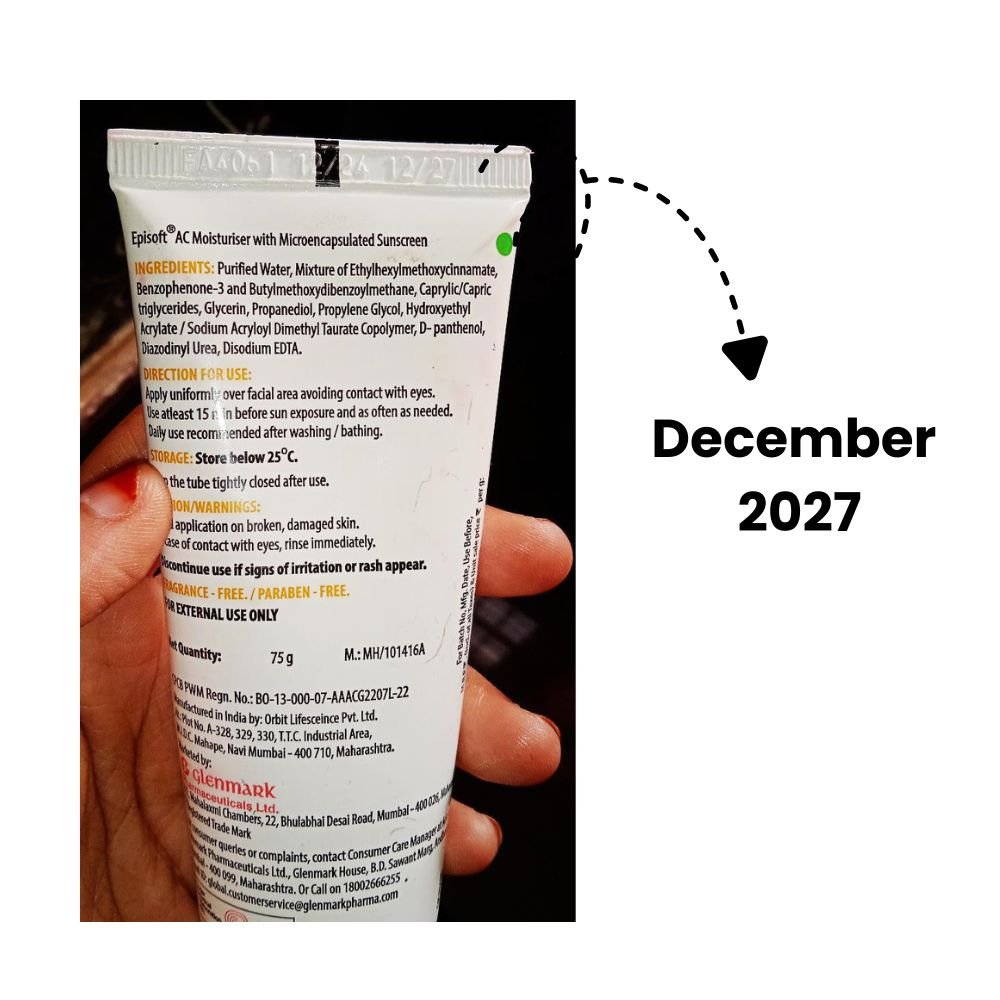
I used to keep the same bottle of sunscreen for two summers. I assumed that since it still looked and smelled fine, it was still working. What I didn’t realize is that the active ingredients in sunscreen the UV filters break down over time, even if the product looks normal. An expired sunscreen may feel identical to a fresh one, but it’s offering you a fraction of the protection it claims on the label.
By law, sunscreens are required to maintain their stated SPF for a minimum of three years from the date of manufacture. Most bottles will have an expiration date printed on the packaging or embossed on the bottom of the tube. If yours doesn’t have one, a simple rule of thumb is to replace your sunscreen every 12 months especially if it’s been sitting in a warm bathroom or a hot car.
Heat and sunlight degrade sunscreen faster than anything else. Ironically, the thing you take to the beach with you is often the most exposed to the conditions that ruin it. After a beach day, I now store my sunscreen in a cool, dry place rather than leaving it in my bag in the sun.
Signs your sunscreen may have expired or gone bad:
- The texture has changed (become watery, separated, or clumpy)
- The color has shifted or yellowed
- It has an unusual or off smell
- The expiration date has passed
Using expired sunscreen isn’t just a waste it’s giving you a false sense of security. You think you’re protected when you’re really not. That’s how I ended up with more sun damage than I realized over the years.
How to Use Sunscreen Correctly for Best Results
Getting the most out of your sunscreen comes down to a few non-negotiable habits that I now follow without thinking twice:
Apply it every single morning, not just on sunny days. UV rays penetrate clouds. They reflect off windows, roads, and buildings. Your skin is exposed even when you’re sitting by a window indoors. Daily application is what creates actual long-term protection.
Use enough of it. Most people apply far too little. For your face and neck, you need about a quarter teaspoon. This is more than you think. Skimping on the amount means the SPF you’re getting is much lower than what’s on the label.
Apply it as the last step of your morning skincare routine, before makeup. Sunscreen needs to sit on top of your other products to create an effective barrier. If you layer moisturizer or makeup over it immediately, you’re disrupting the film.
Reapply every two hours if you’re outdoors. This is the step most people skip. Setting a phone alarm genuinely helped me build this habit.
Don’t forget your neck, ears, and the back of your hands. These areas age just as fast as your face sometimes faster and they’re almost always exposed.
Choosing the Right Sunscreen for Your Skin Type
Finding a sunscreen that works for your specific skin type makes it so much easier to be consistent. Here’s a quick breakdown of what I’ve found works:
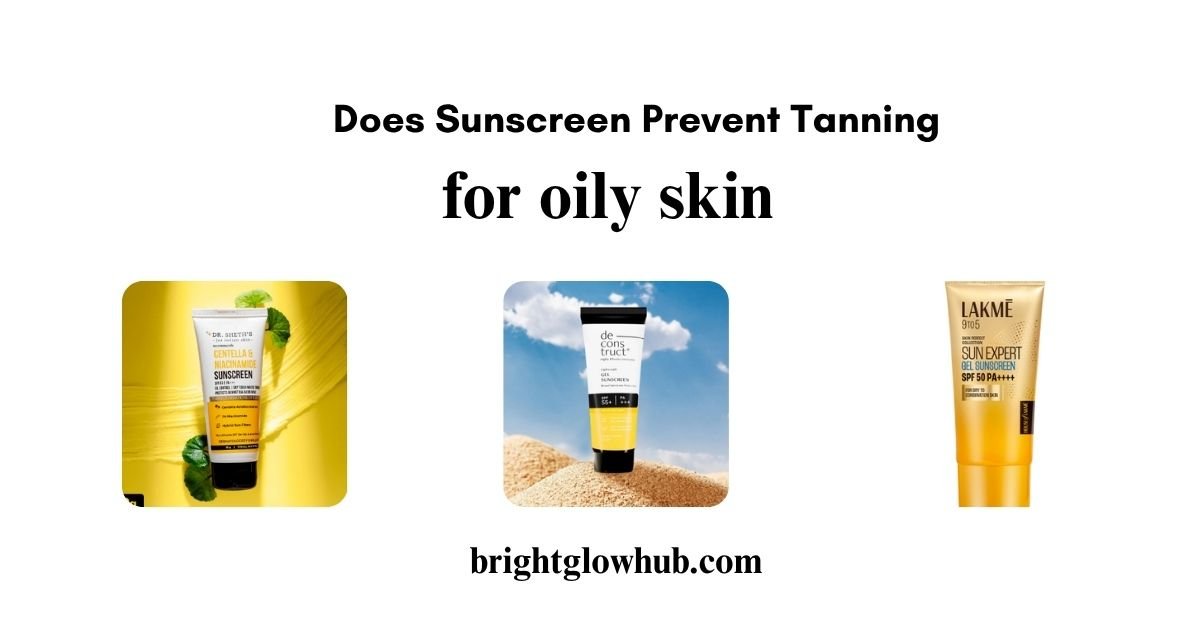
For oily or acne-prone skin: Look for gel-based or fluid formulas labeled non-comedogenic. These sit lightly on the skin without clogging pores. Mineral sunscreens with zinc oxide can also help calm redness.
For dry skin: Cream or lotion formulas tend to work better because they double as a light moisturizer. Look for added hydrating ingredients like hyaluronic acid or glycerin.
For sensitive skin: Mineral sunscreens (using zinc oxide or titanium dioxide) are generally gentler than chemical ones because they sit on the surface of the skin rather than being absorbed.
For darker skin tones: Look for tinted sunscreens or formulas that don’t leave a white cast. This used to be a huge barrier for me white cast sunscreens under makeup were a deal breaker. Thankfully, tinted and invisible-finish formulas have come a long way.
My experience using sunscreen to preven tanning
Before
After


You can see in the above Images where I have shared before and after In first image I have tan on my face in second image my skin shade has lighten
I won’t say that the sunscreen has make my skin light The main reason is that is prevent sun rays that directly hit my skin and due to which I won’t get tan anymore and the other main reason My skin has Improve its Complexion is using a moisturizer
Final words : The sunscreen has helped me to prevent tan and the moisturizer has added some glow to my face
Best Moisturizers for Men with Oily Skin: Complete Guide to Oil-Free Hydration
About The Author :
Written by sahil sheikh with 2+ years of experience in skin care i usually write blogs articles on the skin care products which i have personally used on myself and I only share the real results
I have also helped my sibling to deal with specific skin concerns like acne and dark spots by recommending them skin care products
I regularly share These information of men skin care in Reddit and Quora
Follow me on Quora : sahil sheikh

FAQ
Q1. Does sunscreen completely stop tanning?
Not completely, but it dramatically reduces it. No sunscreen blocks 100% of UV rays even SPF 50 lets about 2% through. But in my experience, consistent daily application cuts down tanning significantly. The key word is consistent. One application and you’re done for the day simply doesn’t cut it.
Q2. What SPF should I use to prevent tanning?
I personally use SPF 50 for outdoor days and SPF 30 for regular indoor days with some sun exposure. Most dermatologists recommend staying in the SPF 30–50 range. Going higher than SPF 50 doesn’t offer dramatically more protection it just sounds reassuring on the label.
Q3. Can I apply sunscreen once and forget about it?
I wish! But no sunscreen breaks down over time, especially when you sweat or spend time outside. I reapply every two hours during outdoor activities. Setting a phone alarm honestly changed the game for me on this one.
Q4. Does sunscreen fade an existing tan?
Sunscreen doesn’t actively bleach or fade your tan, but it stops new pigmentation from forming. Once you stop adding fresh UV damage, your skin’s natural renewal cycle gradually sheds the darkened cells on its own. I noticed my old tan fading over about 6–8 weeks after I committed to daily sunscreen.
Q5. Does sunscreen expire?
Yes and this matters more than most people realize. The active UV-filtering ingredients break down over time, even if the product looks and smells perfectly fine. Always check the expiration date, and if there isn’t one, replace the bottle after 12 months. I also stopped storing mine in hot bags or cars after learning heat degrades it faster.
Q6. Can people with darker skin tones skip sunscreen?
This is a really common myth that I used to believe too. Darker skin has more natural melanin, which offers some protection but it’s not enough to prevent UV damage, tanning, dark spots, or premature aging. Everyone benefits from sunscreen, regardless of skin tone. The trick is finding a formula that doesn’t leave a white cast tinted sunscreens work great for this.
Q7. Should I wear sunscreen indoors too?
I was skeptical about this one, but yes especially if you sit near windows. UVA rays (the ones responsible for tanning and aging) pass right through glass. I started applying sunscreen every morning no matter where I was planning to spend my day, and my skin has been noticeably more even ever since.
updated on: march 8, 2026
Written by: Sahil Sheikh – Skincare Enthusiast at BrightGlowHub
My Honest Takeaway
If I could go back and tell my younger self one thing about skincare, it would be this: start sunscreen early, use it consistently, and replace it when it expires.
Sunscreen is not glamorous. It doesn’t smell like a luxury serum or come in pretty packaging half the time. But it is, without question, the single most effective thing you can do to prevent tanning, protect your skin tone, slow down aging, and keep your skin looking healthy for the long run.
I started noticing real changes in my skin more evenness, less unexpected darkening, fewer new spots only after I treated sunscreen as a daily non-negotiable rather than an occasional step. That consistency is everything.
⚠️ Disclaimer: This article is written for general informational purposes only and is not a substitute for professional medical advice. Skin types and needs vary. If you have a specific skin condition or concern, please consult a board-certified dermatologist before making changes to your skincare routine.
Found this helpful? Share it with someone who still thinks sunscreen is only for the beach!